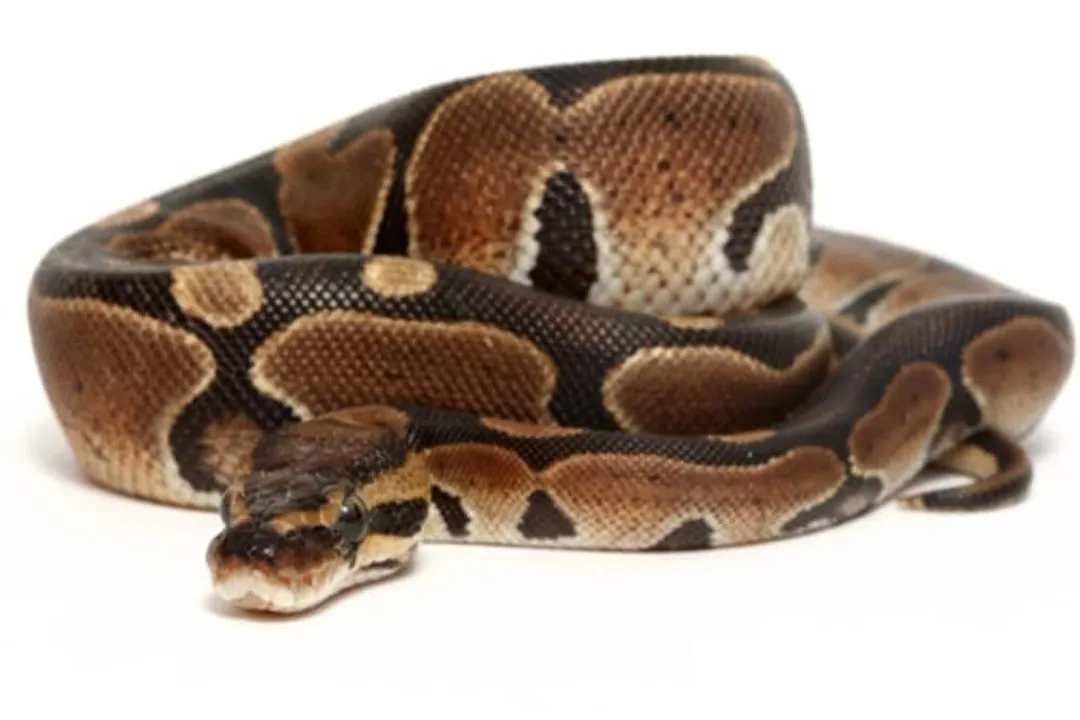
How does the evolutionary placement of *Python regius* compare to the emergence rate of new morphs like Yellow Belly?
The Linnaean system is slow to change, while recognized morphs show exponential growth.
There is a significant difference in the dynamic nature between formal scientific classification and the rapid development of captive-bred variations. The scientific classification system, which relies on extensive evidence regarding evolutionary relationships, is designed to be relatively slow to change; the placement of *Python regius* within the hierarchy has remained stable over recent decades, analogous to a flat line on a graph of change rate. Conversely, the world of reptile genetics, driven by hobbyist breeding efforts, identifies and circulates new genetic variations, or morphs like Yellow Belly, very quickly, leading to an exponential increase in the list of recognized morph names over the same period.