Yarara Locations
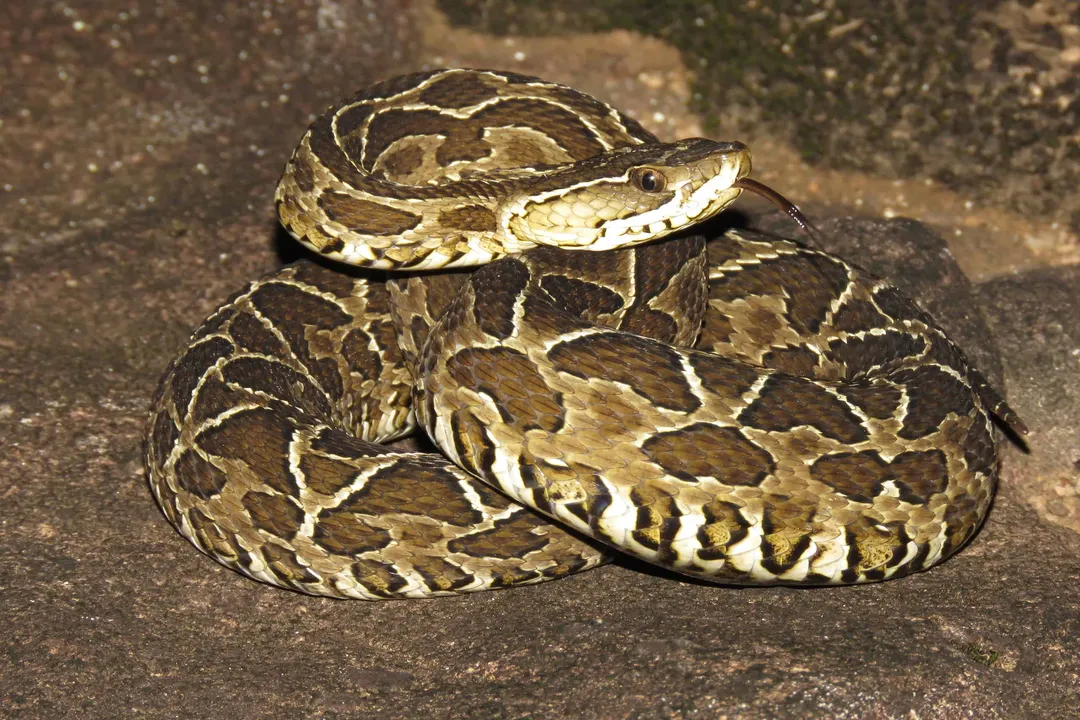
The name "Yarara" carries significant weight among herpetologists and residents across South America, often referring to a complex of venomous pit vipers belonging to the genus Bothrops. Before detailing the specific locales where one might encounter these snakes, it is essential to clarify that this common name is applied to more than one species, leading to slight variations in geographic assignment across literature. [4][5] The two primary contenders often associated with the Yarara moniker are Bothrops alternatus (sometimes called Yarará Grande or Urutu) and Bothrops jararaca (often simply Jararaca, but also referred to as Yarara). [4][5] Furthermore, in an entirely separate context, the name appears geographically for a small locality in New South Wales, Australia, which has no association with these reptiles. This article concentrates on the distribution of the snakes themselves, found exclusively across the Neotropical realm.
# Serpent Identity
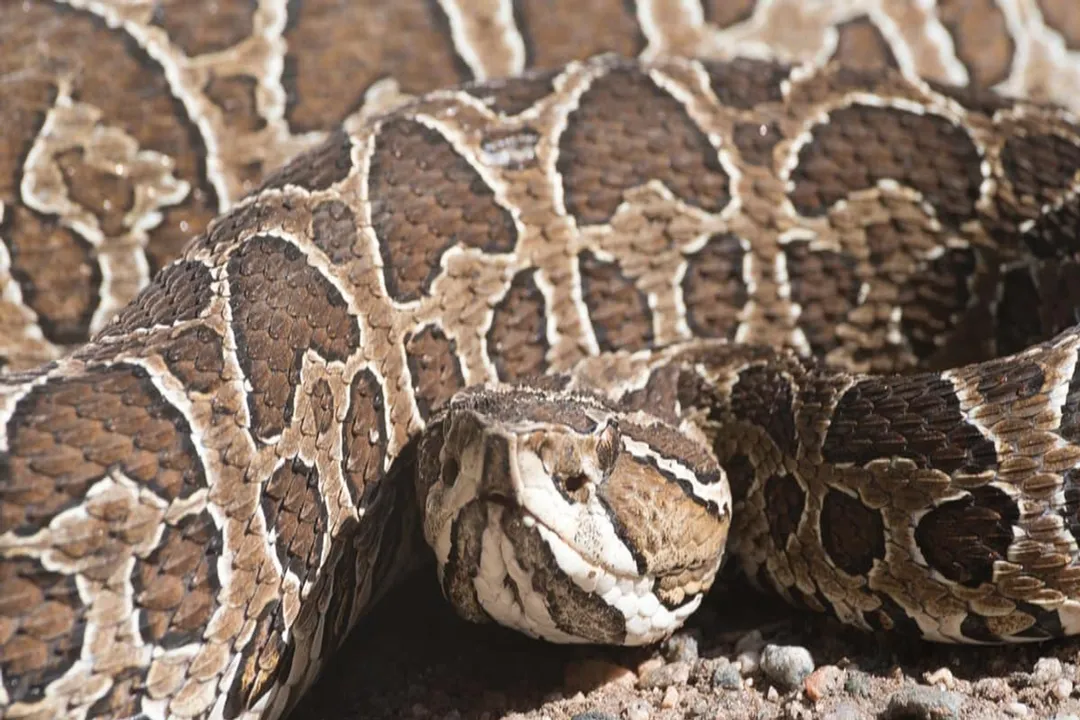
The broader group these snakes belong to, the Bothrops genus, is responsible for a substantial portion of medically significant snakebites in the New World, underscoring why precise location knowledge is valuable. [4] The scientific name for one prominent species, Bothrops alternatus, references its appearance, with alternatus being Latin for "alternating," describing the staggered markings along its body. [4] Another, Bothrops jararaca, derives its specific name from the Tupi words yarará and ca, translating to "large snake," which attests to its imposing presence in the field. While both species share a similar habitat preference for warmth and moisture, their specific range boundaries are distinct, which is a crucial differentiation when studying their distribution. [4]
# South American Range
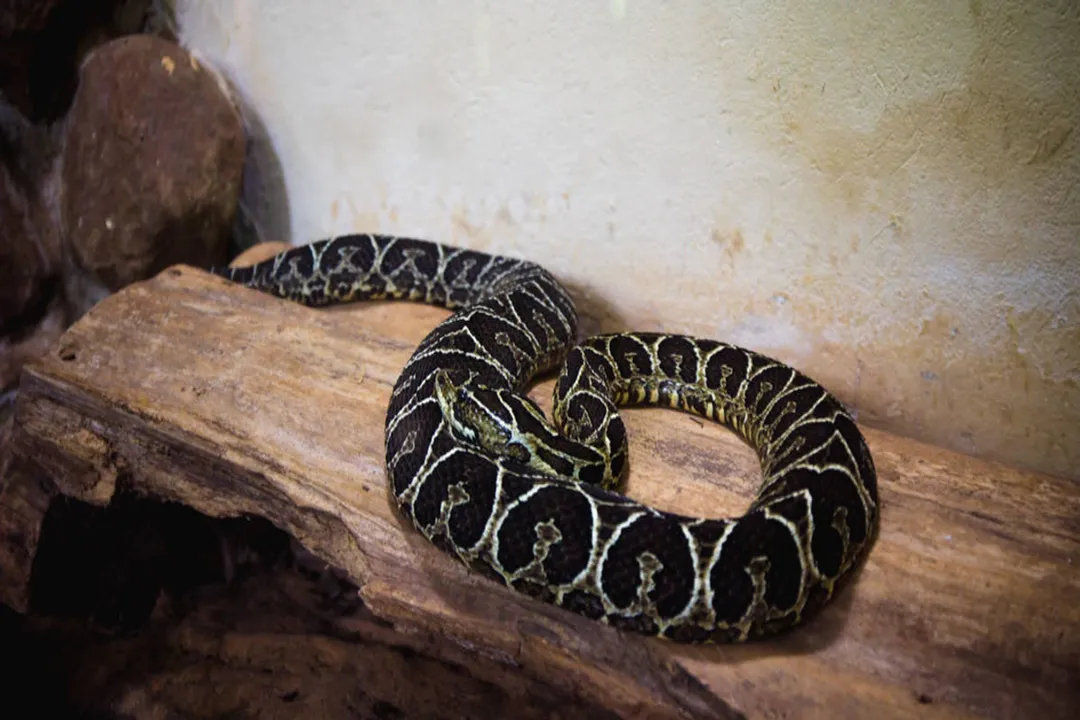
The overarching location for all Yarara species is South America. [3][5] They thrive in the warm, humid environments characteristic of this continent's central and southern regions. [4][5] While the general region is established, pinpointing exact national boundaries reveals how the ranges of the different species overlap and diverge. [4]
For Bothrops alternatus (Urutu/Yarará Grande), the confirmed distribution covers southeastern Brazil, Paraguay, Uruguay, and northern Argentina. [4][5] This species enjoys a relatively wide sweep across these four nations. [4] In contrast, Bothrops jararaca is reported to be endemic to southern Brazil, northeastern Paraguay, and northern Argentina, specifically the Misiones province. [5]
This comparison immediately highlights a key difference in distribution focus. While B. alternatus stretches deep into the Argentinian interior, including provinces far from the coast, the typical range cited for B. jararaca seems geographically tighter, centered more closely on the Atlantic forest regions of the three core countries. [4][5] If a researcher or traveler is specifically interested in B. jararaca, the Misiones region of Argentina becomes a high-priority area, whereas B. alternatus offers a much broader search grid across the continent. [4]
# Brazil Habitat
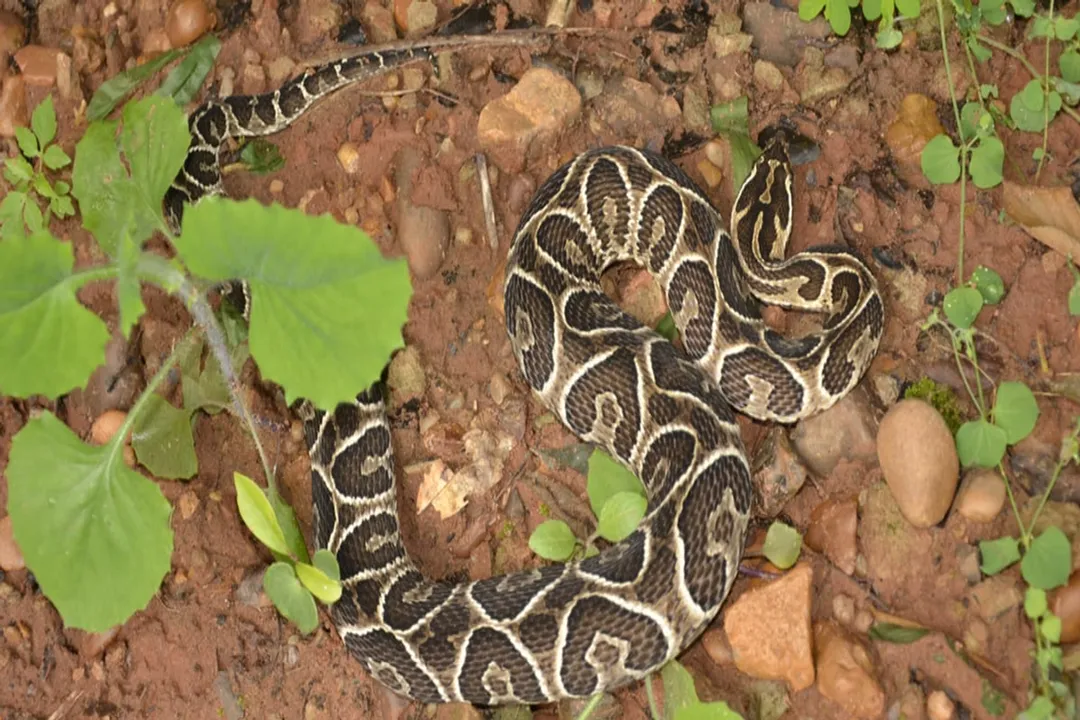
Brazil represents a significant portion of the Yarara’s range, often associated with the dense Atlantic Forest biome. [5] Within Brazil, both species are present, though their exact prevalence varies regionally. Bothrops alternatus is known across the southeastern part of the country. [4] This species, often called urutu-cruzeiro in Brazil, is widely distributed, and its presence is noted in areas where human activity intersects with wilder landscapes, such as sugarcane plantations. [4]
Conversely, Bothrops jararaca is specifically cited as being endemic to southern Brazil. [5] This suggests that while B. alternatus might push further north or west within Brazilian territories, B. jararaca is more concentrated in the southern states. [4][5] For instance, one account notes the jararaca de agosto localized to the Rio Grande do Sul region within the Lagoa dos Patos area. [4] The ecological preference remains consistent: humid forests and savannas where water is readily available. [3][5]
# Argentina Distribution
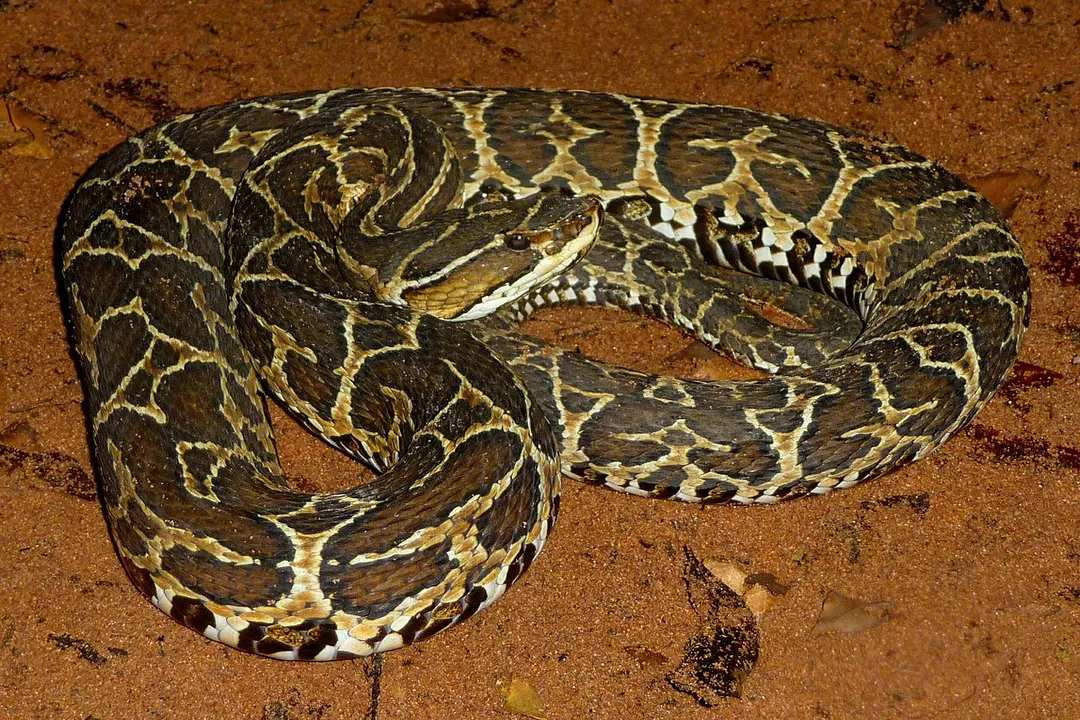
Argentina is one of the key nations where the term Yarara is highly relevant, particularly due to the extensive range of Bothrops alternatus within its borders. [4][5] It is vital to recognize that Argentina hosts B. alternatus across a vast array of its central and northeastern provinces. [4]
The provinces confirmed to harbor B. alternatus are extensive: Buenos Aires, Catamarca, Córdoba, Corrientes, Chaco, Entre Ríos, Formosa, La Pampa, Misiones, San Luis, Santa Fe, Santiago del Estero, and Tucumán. [4] This list demonstrates that the Urutu is not confined to the humid lowlands; it reaches into the rocky sierras, such as the Sierra de Achiras in Córdoba and the Sierra de la Ventana in Buenos Aires. [4] This adaptability to different topographies, from low-lying swamps to rocky highlands, defines its successful colonization of central Argentina. [4]
When cross-referencing with the more restricted distribution cited for B. jararaca, the Misiones province stands out as the likely overlap zone, where one might find both species, depending on the micro-habitat. [5] Understanding this provincial spread is more than mere geography; it informs regional safety protocols and ecological studies, as habitat types shift drastically across those 13 provinces. [4] For example, the challenges of dealing with a venomous snake in the open fields or cultivated areas of Santa Fe are likely different from encountering one near a humid marsh in Corrientes. [4][5]
# Habitat Specifics
Regardless of the precise species, the favored micro-locations for Yararas share common ecological threads centered on moisture and cover. [3][4] They are fundamentally creatures of riparian zones, marshes, swamps, and low-lying, humid habitats. [4][5] They generally show an aversion to dry environments, such as deserts. [4]
Their habitat types can be broadly categorized into several biomes:
- Forests: Ranging from dense tropical perennial forests (characteristic of the Atlantic Forest) to more temperate deciduous forests. [5][4]
- Open Areas: Grasslands and savannas are also utilized, often near water sources or in cultivated fields where vegetable openings are close. [3][5]
- Transitional Zones: The presence near rivers (riparian zones) suggests an integration with both terrestrial and aquatic ecosystems, which may relate to their diet, which includes amphibians. [5][3]
Juveniles, however, demonstrate a slight behavioral variation in their location preference. While adults tend to remain terrestrial, often hiding in foliage during the day, younger B. jararaca are noted as being more arboreal, frequently found in trees, perhaps as a strategy to avoid terrestrial predators. [5] This subtle distinction in vertical habitat use by age class is often overlooked but can influence where one might expect to find different size classes of the snake. [5]
# Range Comparison
To consolidate the location data and provide a clear operational picture for the reader, comparing the established ranges is helpful. The distribution is geographically contiguous across the four primary nations, yet the species-specific areas offer insight into ecological niches:
| Species | Primary Common Name(s) | Key Countries | Noted Specific Habitats |
|---|---|---|---|
| Bothrops alternatus | Urutu, Yarará Grande | Brazil (SE), Paraguay, Uruguay, Argentina (widespread across 13 provinces) | Marshes, riparian zones, rocky areas, sugarcane plantations [4][5] |
| Bothrops jararaca | Jararaca, Yarara | Brazil (S), Paraguay, Argentina (Misiones only) | Dense Atlantic Forest, thickets, savannas [5] |
The data suggests that B. alternatus is the more broadly distributed of the two across the Argentinian interior and includes drier, more open habitats at higher elevations, provided moisture is accessible. [4] B. jararaca appears more strongly associated with the denser, wetter forests typical of the Atlantic coast region shared by southern Brazil and Misiones. [5] Navigating these subtle distinctions helps observers understand that "Yarara location" isn't a single map coordinate but a mosaic of closely related but ecologically segregated territories. [4][5]
When considering environmental pressures, the reliance on specific biomes like the Atlantic Forest for B. jararaca makes it potentially more vulnerable to localized deforestation than the geographically dispersed B. alternatus, which seems capable of adapting to agricultural margins like sugarcane fields. [5][4] This difference in habitat plasticity, observable through their location data, is a critical factor in conservation assessments, even if both currently hold a "Least Concern" status. [3][5]
# Observation Context
Knowing where these snakes are located in terms of habitat directly informs when and how they are likely to be encountered. Since Yararas are predominantly nocturnal ambush predators, daytime encounters are often accidental, usually involving someone unknowingly stepping too close to where the snake is concealed. [4][5] Adults seek cover during the day in foliage or under debris, relying on their complex, disruptive camouflage—the brown/black markings edged in cream—to disappear against the varied backdrop of the forest floor or grassy margins. [4][3]
In the wetter habitats like marshes or riparian zones, which are prime locations, the combination of dense vegetation and high humidity makes visual detection difficult. A practical takeaway for anyone traversing these South American lowlands is that movement through tall grass or dense undergrowth, especially near water bodies like rivers or swamps in the evening or early morning, demands maximum situational awareness, far more so than traversing an arid, open landscape where their camouflage would be less effective. [4][5]
The fact that juveniles may use their bright white tail tips as caudal lures—mimicking an insect larva—suggests that in areas where they are found in the trees or brushier edges (more arboreal locations), [5] their interaction with insectivorous prey can sometimes draw them closer to human paths than a pure rodent-eater might venture. This difference in hunting tactics across age classes influences the vertical stratification of their presence within a given geographical area. [5]
The sheer breadth of Argentinian provinces listed for B. alternatus also suggests that this species plays a significant ecological role across diverse agricultural settings, controlling rodent populations in fields stretching from the humid Chaco to the more temperate pampas margins. [4][1] This means that in central Argentina, the "Yarara location" is often synonymous with "farm edge" or "rocky outcrop" as much as it is with "swamp". [4]
While the data gathered here is centered on South America, it is worth a brief mention that the search term "Yarara" can lead to confusion, as there is a small town bearing the name in New South Wales, Australia. For anyone focusing on the highly venomous vipers, however, confirming the continent as South America and focusing the search on the specific habitats within Brazil, Paraguay, Uruguay, and Argentina remains the correct path for accurate identification of their natural range. [4][5]
The enduring presence of these snakes across these varied, yet moisture-dependent, South American locations speaks to their evolutionary success as pit vipers adapted to the continent's diverse ecosystems, from the Atlantic Forest's deep shade to the open, sun-drenched grasslands bordering river systems. [3][5] Their location is a direct function of water availability and thermal regulation needs, dictated by their viper lineage. [4]
The ability of Bothrops venom to yield important pharmaceutical compounds, such as the precursors to ACE inhibitors used for hypertension, further underscores the importance of knowing where these snakes live, not just for safety, but for potential biomedical resource management within their native environments. [5] Protecting the habitats in which they thrive means safeguarding a unique piece of both biodiversity and medical science. [5] Understanding the precise mapping of B. alternatus across those thirteen Argentinian provinces, for example, allows for more localized risk assessments that acknowledge the difference between a sierra habitat versus a lowland riverine forest. [4]
This geographical specificity also implies that studies focusing on venom variation, which has been shown to differ based on location, [4] must correlate their findings strictly with the exact provenance within these countries. A Yarara from the marshy regions of Uruguay might possess a venom profile subtly different from one found in the rocky areas of Córdoba, Argentina, simply because their local diets and micro-environments differ. [4] Mapping their locations is, therefore, mapping potential toxicological diversity within the species complex itself. [4] The next step for any serious engagement with the Yarara would be to overlay these known locations with current land-use maps to better predict areas of future human-snake conflict as agricultural expansion continues across their established ranges. [3] This type of spatial analysis, informed by detailed range mapping, moves beyond simple location identification to proactive ecological management. [4][5] Given the species' nocturnal habits, encounters are often decided in the brief moments when the snake is forced from its diurnal cover or when it is actively hunting near human settlements after dusk. [4] Knowing which specific environment—swamp, field, or forest—is dominant in a particular region allows for targeted community education on avoiding these common, yet dangerous, neighbors. [4][3]
Related Questions
#Citations
Yarara - Bothrops alternatus - A-Z Animals
Yarara Facts & Photos - Wowzerful
Bothrops alternatus - Wikipedia
Jararaca - Facts, Diet, Habitat & Pictures on Animalia.bio
Yarara on the map of Australia, location on the map, exact time