Xerus Physical Characteristics
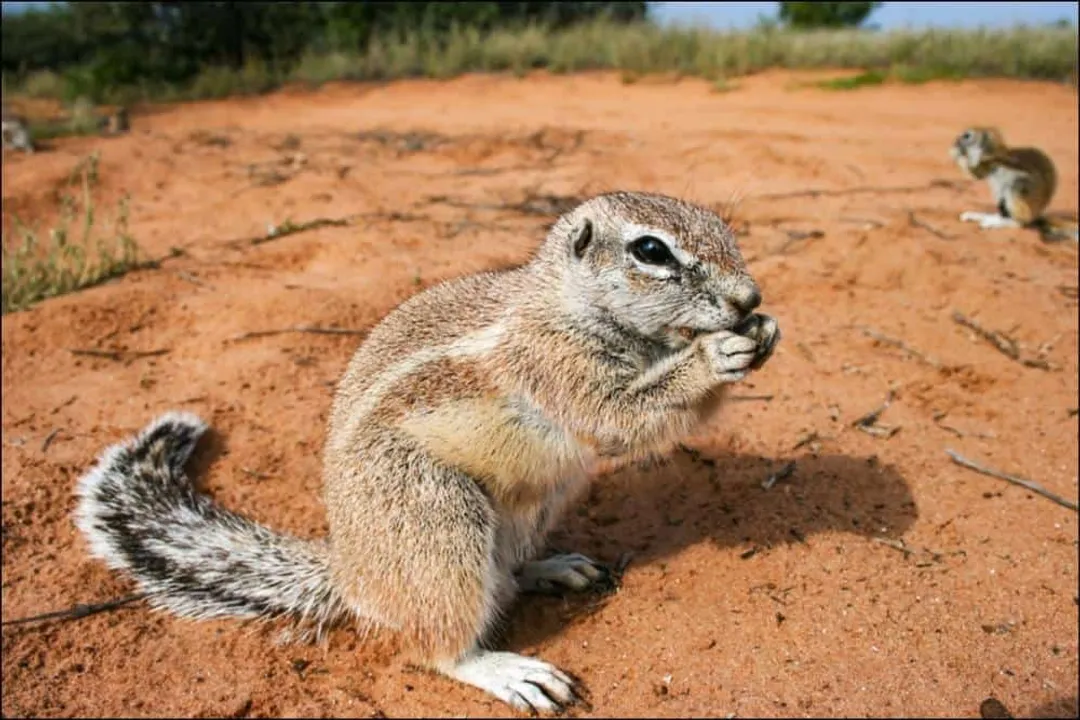
The Xerus genus comprises a fascinating group of African ground squirrels, immediately recognizable by their diurnal habits and their adaptation to open, often arid, environments. [2][4] Unlike their tree-dwelling relatives, these creatures spend the vast majority of their active time on the ground, a lifestyle that has strongly dictated the evolution of their physical form. [5] Their general build is slender and agile, perfectly suited for quick dashes between the relative safety of their burrow entrances and foraging spots under the hot sun. [2]
# Size and Build
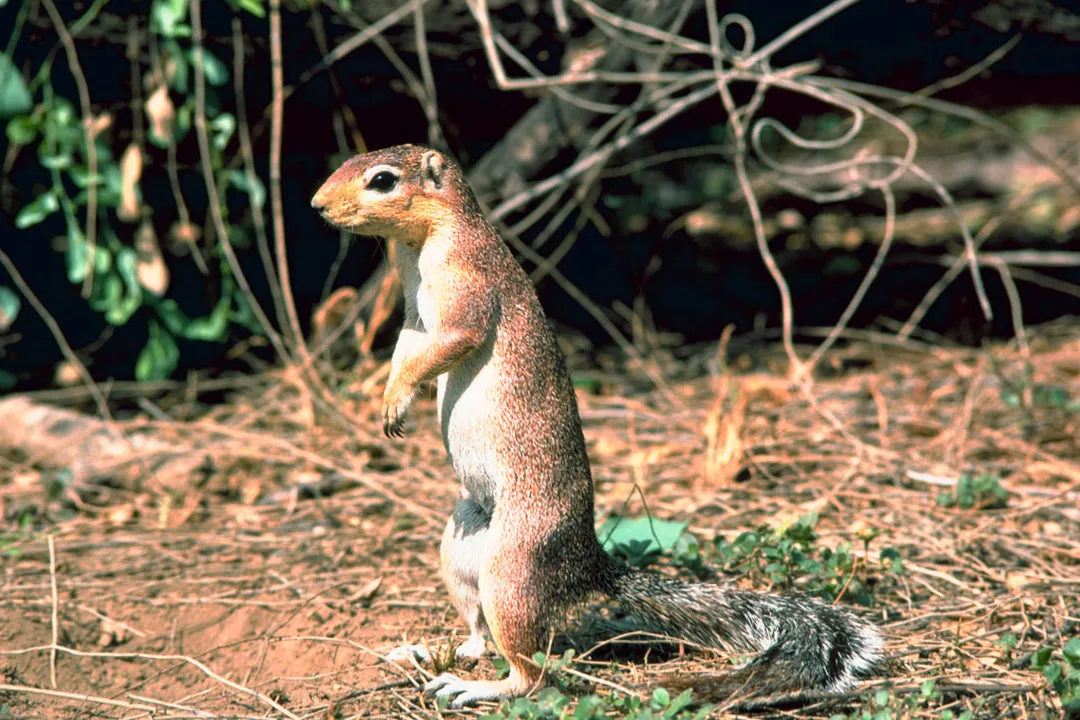
The overall dimensions of these squirrels can vary somewhat depending on the specific species, but they generally fall into a medium size range for squirrels. [1] For instance, the Unstriped Ground Squirrel (Xerus erythropus), often found across a wide swath of sub-Saharan Africa, typically possesses a body length between 22.5 and 28 centimeters. [1] Their weight usually hovers between 300 and 450 grams. [1] The tail, a critical appendage for balance, signaling, and even thermoregulation, is generally substantial, often measuring nearly as long as the body itself, sometimes slightly shorter. [2][4] The Cape Ground Squirrel (Xerus inauris), found primarily in Southern Africa, shares this general proportional relationship between body and tail length. [6][10]
# Fur and Coloration
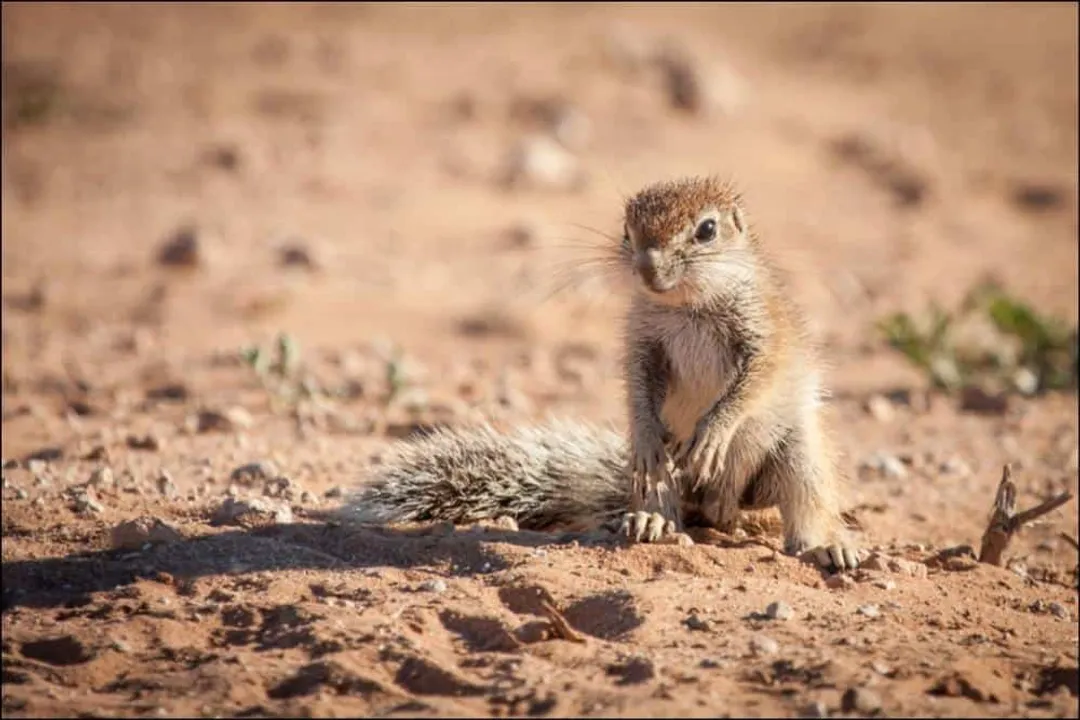
Coloration in Xerus species provides excellent clues for identification, although local habitat influences can slightly shift the perceived hue. The Cape Ground Squirrel (Xerus inauris) is frequently described as having a pale greyish-brown or tawny upper coat. [6][10] A defining characteristic for this species, which aids immensely in distinguishing it from other Xerus types in the field, is the presence of a distinct, prominent white stripe running laterally along each side of its body, contrasting sharply with the darker flanks. [6][10]
In contrast, other species, such as Xerus erythropus or Xerus rutilus, are often referred to as unstriped ground squirrels because they lack this bold lateral marking. [3][5] These species tend towards a more uniform reddish-brown or rufous coloration across their back. [9] A useful way to differentiate these common species in the field is purely by observing the presence or absence of that distinct lateral stripe; it's often a more reliable field marker than subtle differences in overall coat tone, which can be heavily influenced by the mineral content of the local soil and dust bathing habits. [6]
# Appendages and Digging
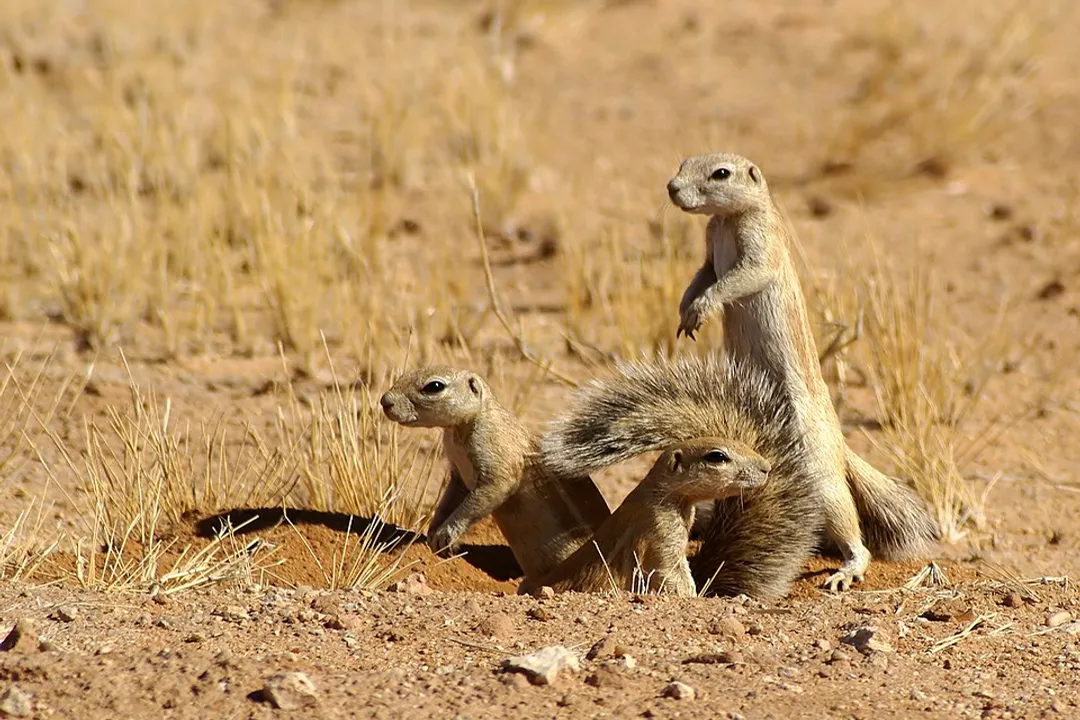
As obligate burrowers, the structure of their feet and claws is highly specialized. Xerus species possess strong limbs that are built for vigorous digging to create and maintain their complex underground networks. [2][5] Their claws are notably long and sharp, acting as indispensable tools for excavating the hard earth they inhabit. [5] This physical adaptation directly underpins their primary survival strategy: retreating underground to escape predators and the harsh midday heat. [2]
# Head Features
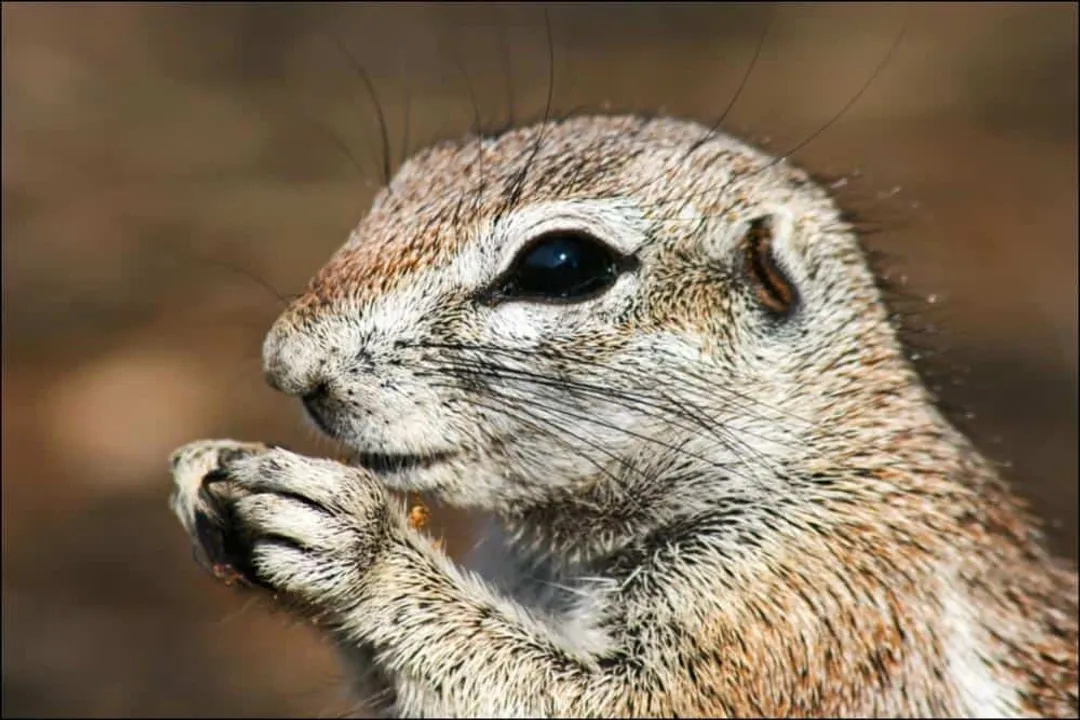
The head structure of the Xerus squirrel is adapted for vigilance. They possess large eyes relative to their head size, a feature common in prey species that need to maintain a wide visual field to detect overhead or approaching threats in open landscapes. [2] Their ears, conversely, are relatively small and close to the head, perhaps minimizing heat absorption or risk of injury during close-quarters interaction or burrow maintenance. [1] The ears are often bordered by fine hair, but they lack the prominent, tufted appearance seen in some other African squirrel genera. [1]
# Species Comparison Table
To better illustrate the subtle yet significant physical differences across well-studied members of the genus, a brief comparison of key visual traits is instructive:
| Physical Trait | Xerus inauris (Cape Ground Squirrel) | Xerus erythropus (Unstriped Ground Squirrel) |
|---|---|---|
| Lateral Stripe | Present, distinct white stripe along the side [6][10] | Absent or indistinct [3][5] |
| Dorsal Color | Pale greyish-brown to tawny [6][10] | Reddish-brown or rufous [9] |
| Tail Bushiness | Moderately bushy | Moderately bushy [2] |
| Primary Range | Southern Africa (e.g., Namibia, Botswana, South Africa) [6][10] | Wider sub-Saharan range [1] |
# Tail Functionality
The tail is far more than a mere counterbalance; it functions as a versatile, multi-purpose tool essential to Xerus life. When foraging or basking in open areas, the squirrel will frequently hold its tail arched over its back, acting as a natural parasol to shade the body from intense solar radiation. [1][2] This behavior is a direct physical response to the need for thermoregulation in high-temperature environments. [1] Furthermore, the tail is a primary means of social communication. Rapid flicks or specific postures of the tail are used to alert colony members to danger or signal dominance during minor disputes over territory or resources. [2]

# Sexual Characteristics
In terms of visible physical attributes, Xerus species generally exhibit low levels of sexual dimorphism. [1][2] This means that adult males and females look remarkably similar in size, coloration, and build, making it difficult to tell them apart based on external observation alone. [2] Any differences in average size or weight between the sexes are usually minor and not sufficient for reliable visual identification in the wild. [1]
# Adaptation of Limbs
The structure of the forelimbs warrants further attention due to its direct correlation with their subterranean architecture. While the hind limbs provide the propulsion for their characteristic, bounding gait across open ground, the forelimbs are equipped with powerful musculature anchored near the shoulder girdle to support the strain of digging. [5] The length and curvature of the claws on the front paws, which can reach lengths significant enough to be noticed when the animal is standing, are specialized for scooping soil away efficiently, allowing them to construct tunnels up to several meters deep. [5] This burrowing capability is the species’ most significant physical adaptation to surviving environmental extremes and evading surface predators. [2]
Related Questions
#Citations
Xerus erythropus (striped ground squirrel) | INFORMATION
Xerus Animal Facts
Unstriped ground squirrel
Xerus Ground Squirrels | Kalahari Safari | 2025 Exclusive
Cape Ground Squirrel - Rodent - South Africa
Unstriped ground squirrel
Xerus: Facts, Habitat, Diet & Behaviour of African Ground ...