Xerus Facts
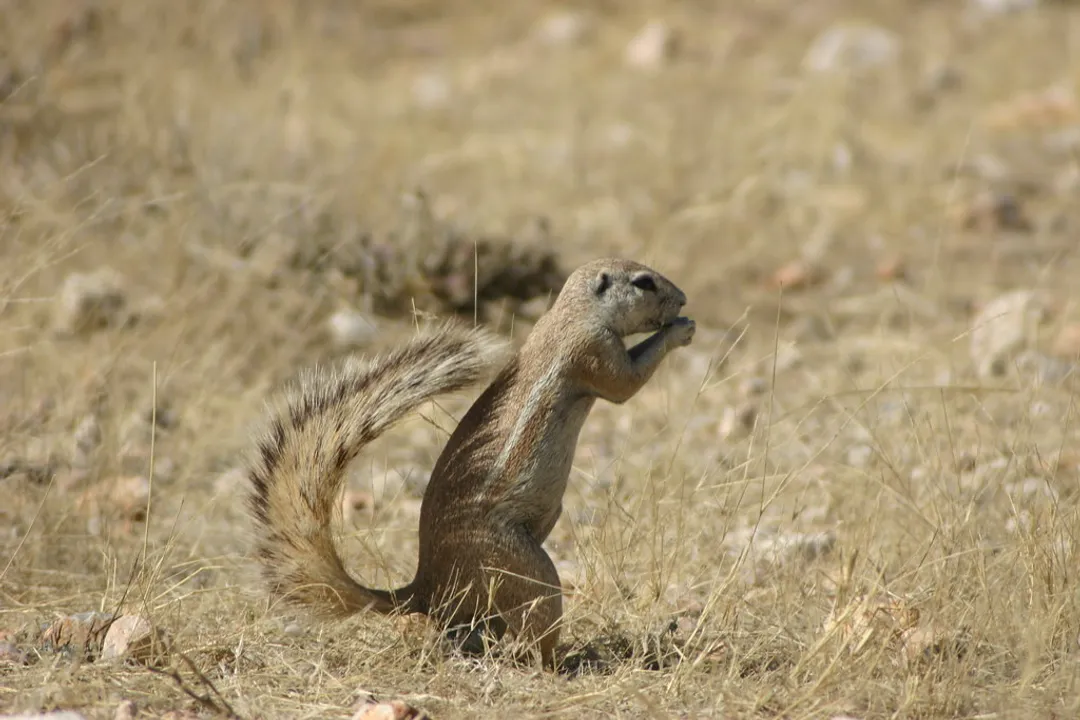
The animals known collectively as Xerus are a genus of African ground squirrels, distinct from their North American relatives, though they share a general appearance and burrowing lifestyle. [1][5] Often simply referred to as African ground squirrels, they are diurnal, meaning they are active during the day, and are well-recognized for their conspicuous presence above ground in their arid and semi-arid habitats. [3][4] The genus Xerus encompasses several species, with the Cape ground squirrel (Xerus inauris) being one of the most studied and commonly referenced examples. [2][3] Other recognized species include the Striped Ground Squirrel (Xerus erythropus) and the Unstriped Ground Squirrel (Xerus rutilus). [1][4]
# Ground Squirrels
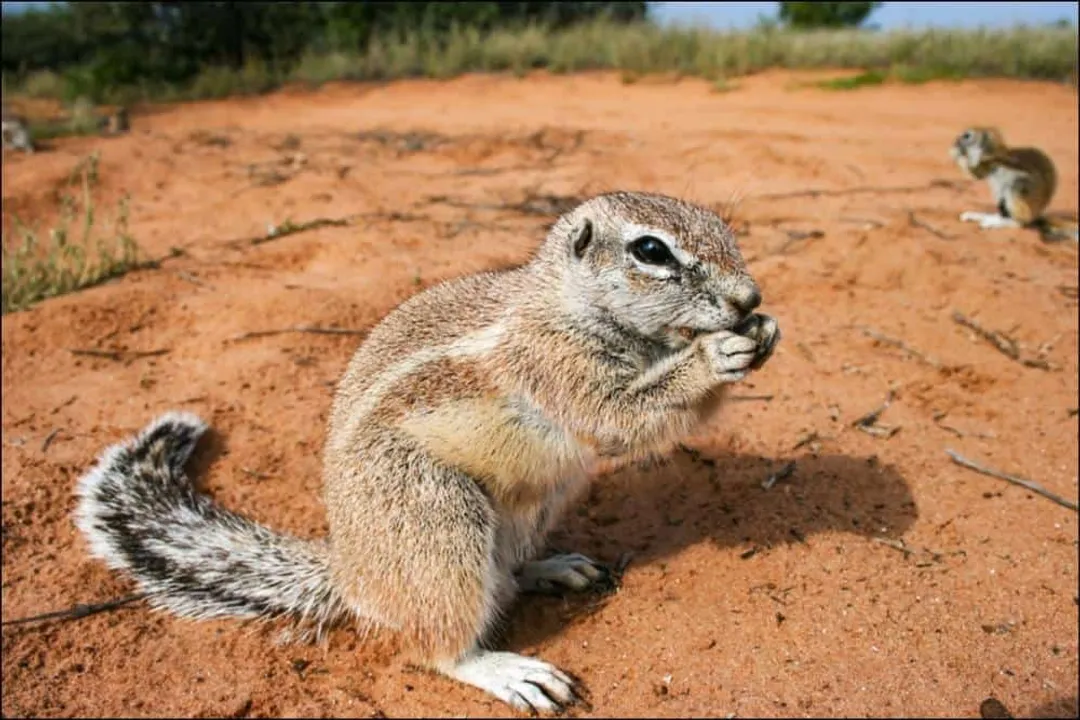
The name Xerus itself is derived from the Greek word xeros, which translates to "dry," a fitting descriptor for the environments these creatures inhabit across sub-Saharan Africa. [1][5] While they are squirrels, their evolutionary path and specific adaptations set them apart from the tree squirrels or the various marmots and prairie dogs found elsewhere in the world. [1] For instance, while many Old World squirrels are arboreal (tree-dwelling), the Xerus genus is almost exclusively terrestrial, spending its life near or in the ground. [3] This terrestrial focus necessitates different survival strategies regarding predators and temperature regulation compared to their tree-climbing cousins. [4]
The Cape ground squirrel, Xerus inauris, is a particularly well-documented member of the genus. [2] It is generally classified within the family Sciuridae, which includes all true squirrels, marmots, and prairie dogs. [3] These animals are generally medium-sized rodents, with descriptions noting their relatively long tails, which are often held over their backs like a parasol when they are exposed to the hot sun. [4][6]
# Appearance Traits
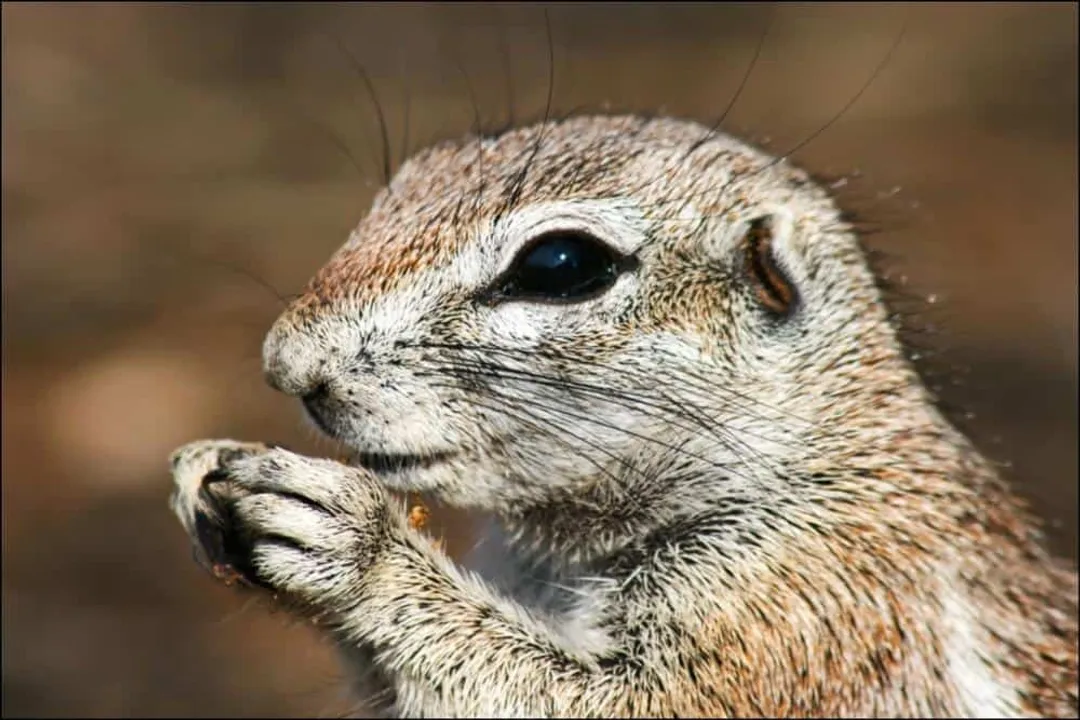
Members of the Xerus genus display variations in color and patterning depending on the specific species, though a general body shape is consistent. [1] The Cape ground squirrel, for example, typically has reddish-brown or sandy-colored fur on its back, which provides excellent camouflage against the desert and scrubland soils they inhabit. [2][3] A distinguishing feature for this species is a prominent white stripe running along the flank, separating the darker upper coat from the lighter underbelly. [2]
In contrast, the Striped Ground Squirrel, as its name suggests, features dark stripes running down its back, similar to some chipmunks, but on a larger scale. [1][4] The Unstriped Ground Squirrel lacks these prominent dorsal markings, having a more uniform coat color. [1]
When considering physical measurements, the Cape ground squirrel usually measures between 23 to 29 centimeters in head and body length, with the tail adding another 19 to 28 centimeters. [2] Their weight generally falls in the range of 250 to 700 grams, with males often being slightly larger than females. [2] They possess strong claws, perfectly adapted for rapid excavation of their extensive burrow systems. [4]
One interesting physical comparison can be drawn by looking at the tail. While North American ground squirrels often use their tails primarily for balance or limited shading, the Xerus species demonstrate a more deliberate, constant use of the tail as an active thermal shield. The habit of holding the tail erect over the body while standing exposed suggests a highly evolved response to intense solar radiation, functioning much like a personal, portable awning designed to keep the direct sun off their dorsal skin during the hottest part of the day. [2][6] This behavioral adaptation is a direct consequence of their requirement to forage under extreme sun exposure.
# Habitat Range
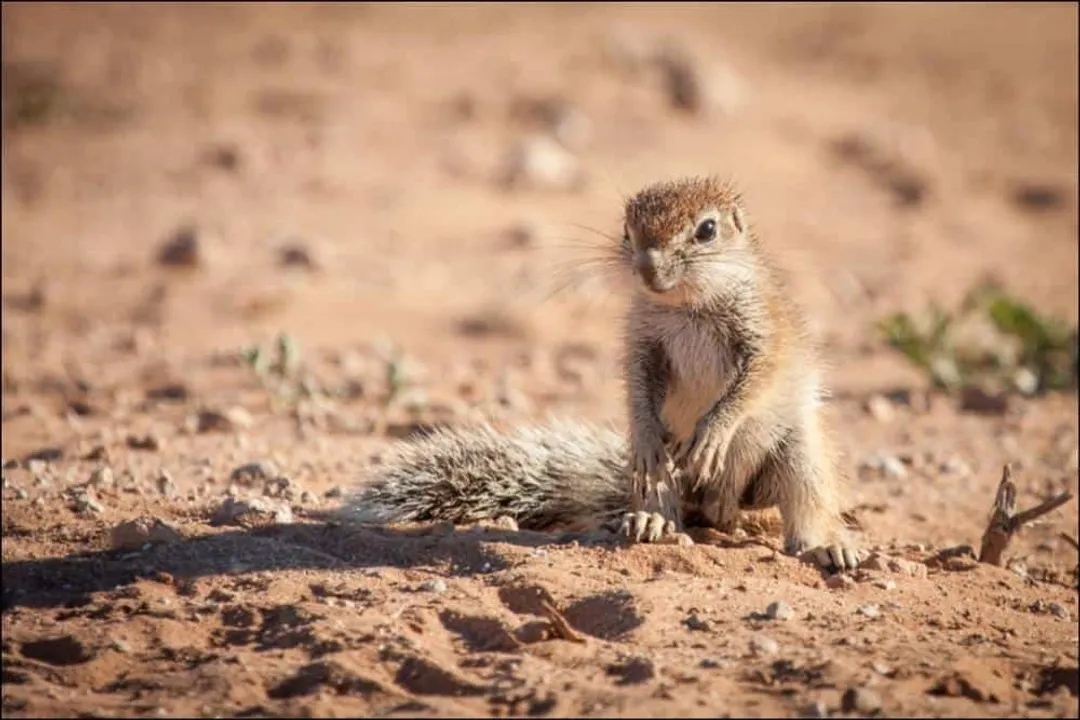
The geographic distribution of Xerus species is confined to the African continent, inhabiting areas ranging from dry savannas to semi-deserts. [1][3] They are creatures of open country, preferring landscapes where visibility is high, which aids in spotting approaching danger. [3][4]
The Cape ground squirrel (Xerus inauris) is found predominantly in the drier regions of Southern Africa, including parts of South Africa, Namibia, and Botswana. [2][3] They thrive in environments characterized by sparse vegetation, hard, stony ground, or open grasslands. [2][6] Their preference is for areas where they can dig easily but also have good vantage points. [3]
Their entire existence is tied to their burrows. These are not simple holes but elaborate, interconnected networks that serve multiple critical functions: shelter from predators, protection from extreme temperatures (both heat and cold), and safe places for raising young. [2][4] These burrows can be quite complex, sometimes extending deep into the ground to reach cooler, more stable subterranean temperatures, which is vital when surface temperatures soar well above 40 degrees Celsius. [2]
An insight into their habitat dependency becomes clear when considering settlement patterns. Unlike some other small mammals that might adopt a temporary or nomadic existence based on immediate food availability, the establishment of a Xerus colony is a significant, long-term investment in a specific piece of territory due to the immense energetic cost of creating and maintaining a sophisticated burrow system. Dispersal is costly, meaning that once a good location is secured, they will defend and inhabit it for generations, making them reliable indicators of the long-term stability of that particular ecosystem's ground structure. [2]
# Behavior Patterns
Xerus squirrels are intensely social animals, living in colonies that can consist of several individuals or larger family groups sharing a common burrow network. [2][4] The social structure within these colonies is usually cooperative. For example, in Xerus inauris, individuals often cooperate in watching for danger while others forage. [2]
Diurnal activity means they emerge shortly after sunrise, often engaging in sun basking—a behavior where they sit upright on their hind legs—to warm up after the cooler night. [2][6] This upright posture, sometimes referred to as "sentinel" behavior, allows them to scan the horizon for predators such as birds of prey or terrestrial carnivores. [2][6] When a threat is detected, they emit sharp alarm calls before darting back into the safety of their bolt-holes. [2]
The social interactions extend to grooming, which helps maintain coat condition and reinforces social bonds within the group. [2] Breeding usually occurs throughout the year in the milder climates, though it can be seasonal in areas with more pronounced dry/wet cycles. [2] Females give birth to litters, often consisting of one to three young, which remain underground, nursed by the mother until they are developed enough to venture out, which can take several weeks. [2][4]
# Water Needs
Perhaps the most remarkable set of facts about Xerus relates to how they manage water scarcity in their extremely arid habitats. [3] They are highly adapted to survive on remarkably little free water. [1] Their diet, which consists mainly of seeds, grasses, roots, tubers, and occasionally insects, provides much of the moisture they require. [2][3]
They exhibit a fascinating physiological ability to conserve water. Their urine is highly concentrated, meaning they lose very little water when eliminating waste. [3] Furthermore, while they do drink when water is available, they appear to be able to go for long periods without it, relying on metabolic water production from digesting their food and efficient kidney function. [3]
This dependency on underground resources and metabolic water leads to an interesting behavioral trade-off. While they must forage above ground where food and seeds are present, this exposes them directly to solar radiation and aerial predators—the very conditions that necessitate the tail-shading behavior mentioned earlier. [2] If an area experiences a prolonged drought where surface vegetation dies back, the squirrels must spend more time and energy digging for deeper tubers, increasing their energy expenditure and exposure risk. Therefore, surface foraging success is directly linked to the efficiency of their underground storage and their ability to limit water loss during the day. [3] This delicate balance between accessing surface resources and minimizing heat/water stress underscores their specialization as desert-adapted rodents.
Related Questions
#Citations
Xerus Animal Facts - A-Z Animals
Xerus inauris (South African ground squirrel) - Animal Diversity Web
Cape ground squirrel - Wikipedia
Xerus Ground Squirrels | Kalahari Safari | 2025 Exclusive
Xerus Fun for Kids: Facts, Videos & Coloring Page Activities
African ground squirrel | rodent - Britannica
5 fun facts you didn't know about the Xerus 🐿️ The ... - Facebook
African striped ground squirrel Facts for Kids
Xerus Facts - Fact Animal