Willow Warbler Facts
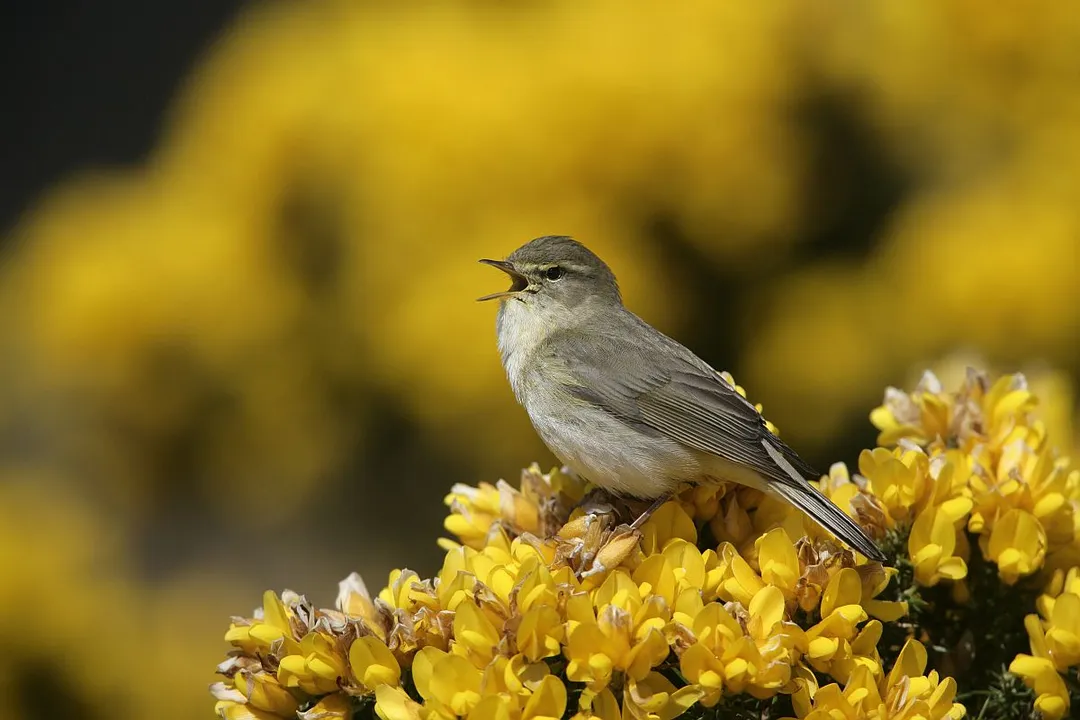
The Willow Warbler, Phylloscopus trochilus, is perhaps best known by its sound, a beautiful, cascading, liquid song that heralds the arrival of spring across northern and temperate Europe. This tiny bird is a widespread summer visitor across Britain and Ireland, and its characteristic melody, often described as mournful yet lovely, can be heard from mid-April onwards. While its population in the UK presents a complex picture, globally it remains a common species, yet its commitment to an arduous annual journey makes it a subject of significant ecological interest.
# Looks Subtle
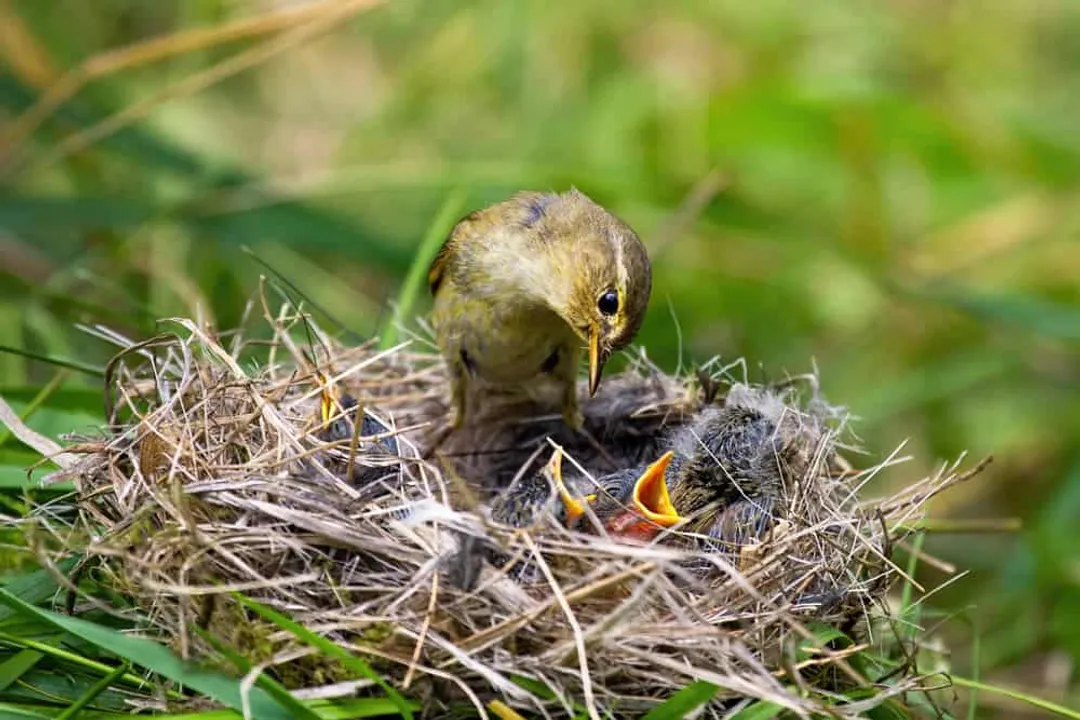
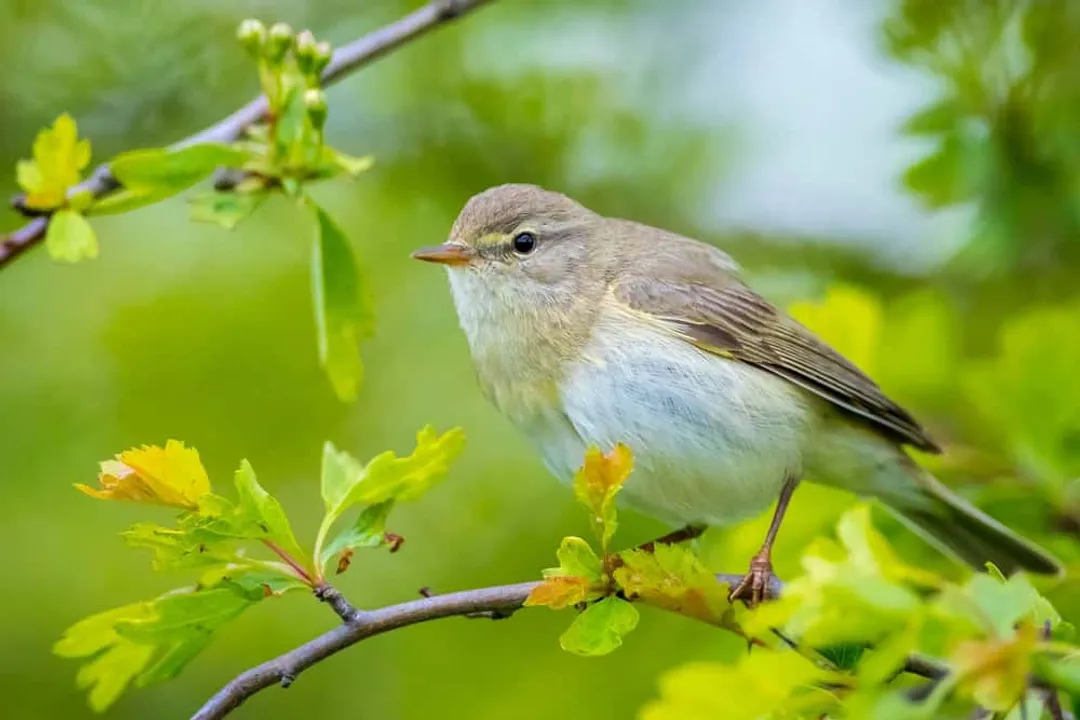
Visually, the Willow Warbler is a master of blending in, being a typical member of the leaf warbler family. It measures between 11 and 12.5 centimetres in length, which is roughly the size of a Blue Tit, and weighs around 7 to 15 grams, though some sources cite an average of about 9 grams. Its upperparts are generally greenish-brown or olive green, contrasting with paler underparts that range from off-white to soft yellow. The wings are plain greenish-brown, notably lacking any wingbars, a feature that helps distinguish it from other warblers.
Telling the Willow Warbler apart from its close relative, the Chiffchaff, is a common challenge for observers. When actively foraging, the Willow Warbler often sings and ruffles its feathers, which can be a behavioural clue. However, the most reliable physical differentiators are subtle. Willow Warblers possess paler, pinkish-yellow legs, whereas Chiffchaffs have legs that appear dark brown to blackish. Furthermore, the Willow Warbler typically presents a slightly longer and paler bill, a more elegant overall shape, and a longer primary projection—that is, the extent to which the primary flight feathers extend beyond the tertials at the wingtip. Juvenile birds are often brighter yellow underneath than adults.
For field identification, noting the primary projection can be quite revealing. This length measurement, derived from biometric data of live-caught birds, shows a slight difference: juveniles average about $64.8$ mm in wing length, while all adults average $66.3$ mm.
# Liquid Song
While visual identification requires a close look, the Willow Warbler’s vocal repertoire offers a much clearer signpost for its presence. The primary song, delivered by the male as he seeks a mate, is a simple, repetitive, and descending whistle. It creates a distinct, flowing musical phrase, which some describe as melancholy but certainly melodious. This descending scale is the key feature that birdwatchers listen for.
The contact call, used between individuals or for simple communication, is different—a short, disyllabic sound described as "hoo-eet". This contrasts sharply with the Chiffchaff’s call, which is onomatopoeic and often described as a monosyllabic "hweet" or a more emphatic "chiff-chaff-chiff-chaff". Understanding this difference in song is often the fastest way to confirm a sighting, especially when the birds are hidden in dense foliage. It is worth noting that a study on migratory birds showed that Willow Warblers arrive in northern Europe slightly later in the spring than the closely related Chiffchaff.
# Global Traveler
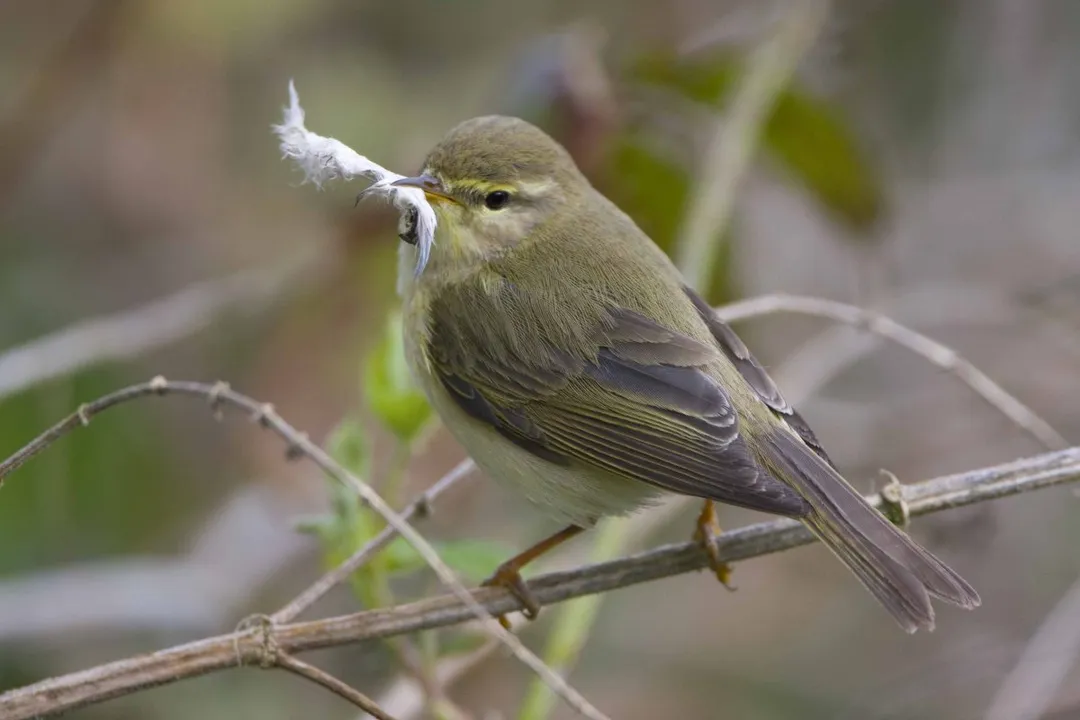
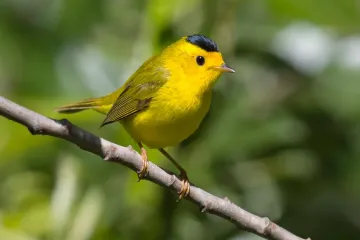
The Willow Warbler is famed for undertaking one of the most significant migrations of any small bird. Nearly the entire population travels from its northern breeding grounds to wintering sites situated deep in sub-Saharan Africa. Some eastern Siberian breeders, P. t. yakutensis, cover nearly 12,000 kilometres (7,500 miles) along the Asian–East African Flyway—an astonishing distance for a bird weighing just a few coins.
The timing of this migration follows the seasons closely. Birds typically begin moving south between August and October, spend the winter months in Africa (roughly October to March), and then undertake the return journey north between mid-March and mid-May.
This species is divided into three recognized subspecies, each with slightly different migratory patterns and plumage tones:
- P. t. trochilus: Breeds across Europe (from the Alps and Pyrenees northward, avoiding northern Scandinavia) and winters in West Africa.
- P. t. acredula: Breeds in northern Scandinavia eastward to western Siberia and winters in Central Africa.
- P. t. yakutensis: Breeds in Eastern Siberia and winters in Eastern and Southern Africa.
There is evidence suggesting that the conditions these birds experience outside the UK vary depending on their origin. Research using stable isotope analysis on feathers collected from British breeders showed that those breeding in Scotland had a different isotopic signature compared to those in eastern England. This suggests differences in the trophic composition of their diet or location during their crucial winter feather moult, which could influence subsequent breeding success or survival rates upon return. For UK observers, it is significant that the southern British birds generally arrive about a fortnight earlier than their northern counterparts.
# Habitat Needs
The Willow Warbler thrives in environments that offer a balance between open areas for foraging and dense low cover for nesting security. They strongly prefer young, open woodlands. Key tree species in their favoured habitats are birch, alder, and willow—the trees that give the bird its common name. They are often found near water sources within these settings.
The species is quite adaptable, readily using human-altered landscapes such as coppiced areas and young tree plantations (those around 10–20 years old), as these stages often feature the required low, scrubby vegetation. Patches of low bramble, mosses, bracken, and streams are particularly appreciated as they offer concealment for nests and support high insect availability.
The necessity for low, thick vegetation for nesting is a critical factor in understanding their habitat requirements. Where browsing animals, such as deer, heavily eat down these low plants, the cover needed for safe nesting is reduced, negatively impacting the birds. Interestingly, research has shown that while Willow Warblers prefer woods with a mean vegetation height between 3.7 and 5.3 metres, areas where the canopy height reaches 6–11 metres appear less suitable. This highlights that rotational woodland management, which maintains patches of early successional growth, is the most beneficial approach for retaining breeding Willow Warblers.
Considering the conservation data, if you are managing a small patch of woodland or even a large garden, ensuring you have areas of dense, low-growing scrub, perhaps by delaying cutting back certain brambles or allowing a section to develop into thicket structure, can create vital refuges for these nesting migrants. The presence of such structural diversity is more important than the specific identity of the trees present.
# Life Cycles
The breeding season for the Willow Warbler typically runs from late April through August, usually yielding just one brood per year. The female takes sole responsibility for incubation, which lasts between 12 and 14 days. The eggs themselves are notable: they are small, smooth, glossy white, and speckled with reddish-brown markings. A frequently cited fact, highlighting their diminutive size, is that three Willow Warbler eggs weigh approximately the same as a single penny.
The clutch size generally ranges from 5 to 7 eggs. Once the chicks hatch, they are altricial, meaning they are born downy, blind, and helpless, requiring intensive care from both parents for about 13 to 16 days until they fledge. After leaving the nest, fledglings may stick close to their parents to learn foraging techniques before achieving full independence around six weeks old.
In terms of longevity, the typical life expectancy for a bird that reaches breeding age is two years, with first breeding usually occurring at one year old. However, the recorded maximum lifespan for a ringed individual is significantly longer, documented as 10 years, 11 months, and 18 days.
# Shifting Status
The conservation status of the Willow Warbler is a study in geographical contrast. Globally, the IUCN still classifies it as Least Concern, with an estimated population running into the hundreds of millions. However, within the UK, the picture is far more troubled, leading to its placement on the Amber list of Birds of Conservation Concern.
The trend is not uniform across the British Isles. In England, particularly the southeast, the population has experienced a severe decline, reported at around $70%$ over the last 25 years. Conversely, populations in Scotland and Northern Ireland have either remained stable or shown increases. This regional disparity is thought to be linked to the differing wintering grounds used by northern versus southern breeders.
Research using demographic models indicates that the decline in the south is strongly associated with a reduction in productivity and an increase in nest failure rates, rather than just adult survival. While Scandinavian populations exhibit some of the highest densities recorded—up to $1,100$ pairs per square kilometre in places like Sweden and Finland—this sharp decline in parts of England suggests localized pressures are severely impacting breeding success there. It is a fascinating divergence: a species that thrives densely in one northern European region is struggling significantly in another part of Europe, indicating that localized breeding ground management may be a more immediate solution than trying to influence survival on the long migration route.

# Survival Secrets
As an insectivore, the Willow Warbler’s diet is centred on small invertebrates, including flies, caterpillars, and beetles, supplemented by spiders. As the season progresses toward autumn migration, they supplement this protein-heavy diet with fruits and berries, a common behaviour among migrants believed to aid in fat storage for their long flight south.
One truly unusual biological fact about this small passerine is its molting schedule. Unlike the majority of birds which undergo a single annual molt, the Willow Warbler is known to moult its feathers twice a year—once at its breeding grounds during the summer and again at its wintering location in Africa. Scientists are uncertain about the exact evolutionary advantage of this double molt, but for a bird that undertakes such extreme migratory efforts, maintaining strong, fresh flight feathers twice annually might offer a critical advantage in efficiency or endurance during its epic journeys.
Another revealing detail emerging from rigorous demographic study in the UK is related to sex ratios. Analysis of ringed adults in areas of low abundance, such as southeast England, has shown a significant male bias, with males comprising roughly $60%$ of the adult population in recent years. While male survival rates are typically higher than females, this difference alone doesn't fully explain the skewed ratio in declining populations. One theory suggests that female dispersal might play a role, perhaps by females preferentially moving towards areas with high male abundance, possibly attracted by vigorous singing or superior habitat quality. Conservation advice derived from this finding suggests efforts should concentrate on maintaining and enhancing larger sites where the sex ratio is closer to equality, as habitat fragmentation may be isolating smaller, male-dominated groups, thus limiting reproductive potential.
The scale of this bird’s migration, coupled with the regional conservation concerns, underscores the fragility of long-distance migrants. While securing ideal young, scrubby woodland habitat in the UK breeding grounds—especially in struggling southern regions—is vital for productivity, the challenges faced across the vast distance to and from Africa must also be acknowledged as potential drivers of the overall population shifts. For anyone keen to support this species in their local area, creating diverse, scrubby cover is as important as providing an insect-rich environment.
Related Questions
#Citations
Willow warbler - Wikipedia
Willow Warbler Bird Facts - Phylloscopus trochilus - A-Z Animals
Willow Warbler (Phylloscopus trochilus) - Woodland Trust
Willow Warbler | BTO
Willow Warbler - Facts, Diet, Habitat & Pictures on Animalia.bio
WILLOW WARBLER (Phylloscopus trochilus) - SongBird Survival
Willow warbler | The Wildlife Trusts
Willow Warbler Facts For Kids | AstroSafe Search - DIY.ORG