Warbler Facts
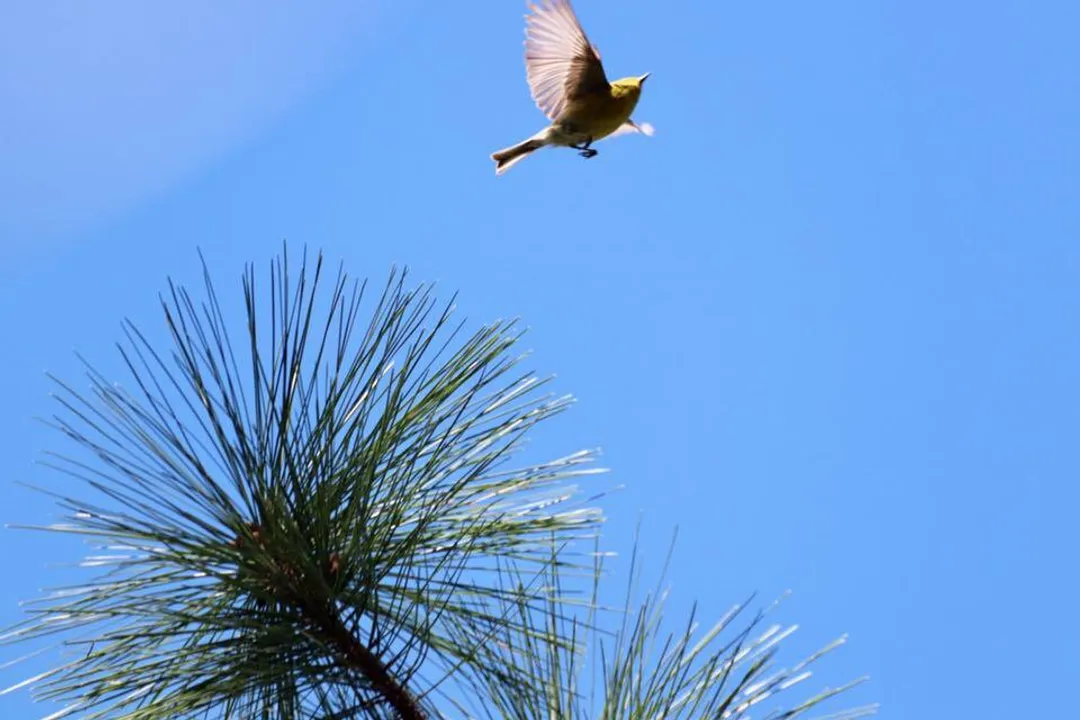
The world of small, flitting birds known as warblers captures the attention of birdwatchers across continents, often signaling the turn of the seasons with their arrival or departure. For those in North America, the sight and sound of these energetic migrants stirring the spring canopy is a highly anticipated event. But what exactly constitutes a "warbler"? The answer is surprisingly layered, touching upon linguistic history, taxonomy, and the sheer magic of these colorful sprites. While the name itself originates from an Old French word, werbler, meaning to sing in trills, applying that definition scientifically is tricky, as many different birds "warble". For practical identification purposes, especially on this side of the Atlantic, a warbler is largely understood to be a member of the family Parulidae—the New World or wood warblers.
# Naming Complexity
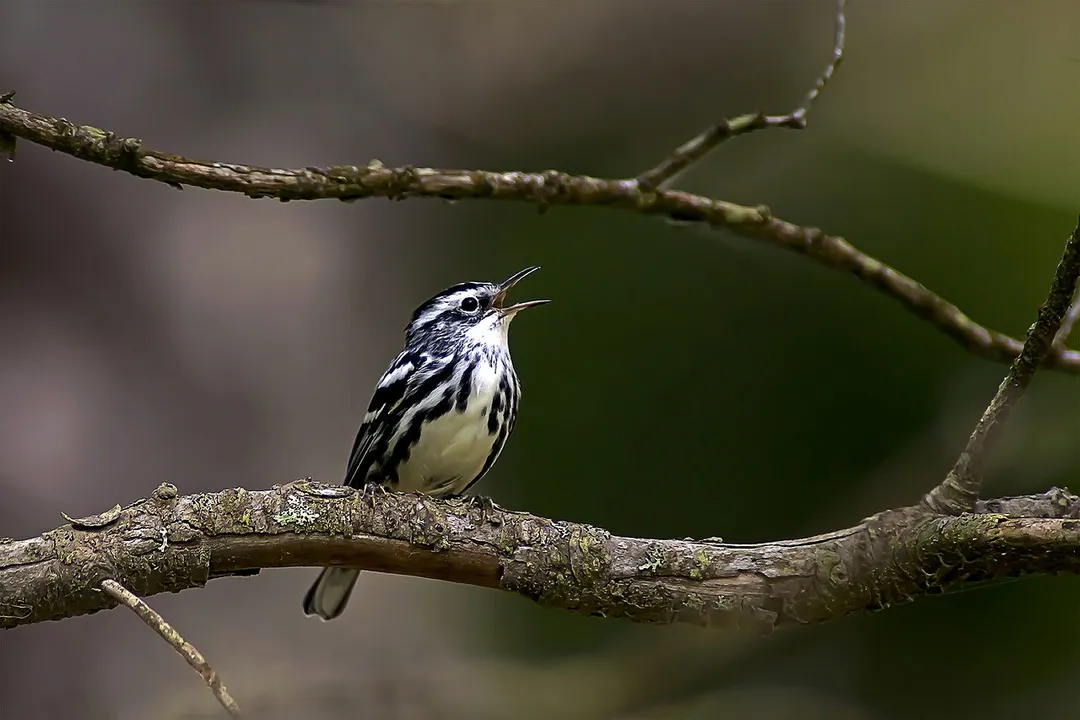
Understanding the term "warbler" requires looking across the globe. Globally, birds called warblers are classified across thirteen distinct families and inhabit six continents. The original birds that received the name, such as the European Willow Warbler, belong to groups like the Sylviidae family (Old World Warblers). However, modern DNA studies have revealed that these Old World birds are largely unrelated to their North American counterparts.
In North America, the vast majority of species fit into the family Parulidae. These wood warblers were historically lumped with European species by early naturalists like Audubon, who sometimes confused them with flycatchers due to superficial similarities in form and habit. The Parulidae family consists of about 120 species, generally small songbirds found only in the Americas. About half of these species reside permanently in the tropics, while the rest migrate, breeding in North America up to northern Canada and Alaska and wintering in tropical or subtropical regions. A general trend among these migratory species is that the males exhibit brighter, more striking patterns than the resident tropical species, where sexes tend to look alike.
When you compare the two main groups, the difference in appearance often helps distinguish them: Old World warblers are typically described as drab, dominated by colors like green, olive, brown, and buff. In contrast, the New World wood warblers are known for being far more brightly colored, sporting brilliant yellow, blue, orange, or chestnut, often accented with black or white stripes, eye rings, or wing bars.
# Size and Structure
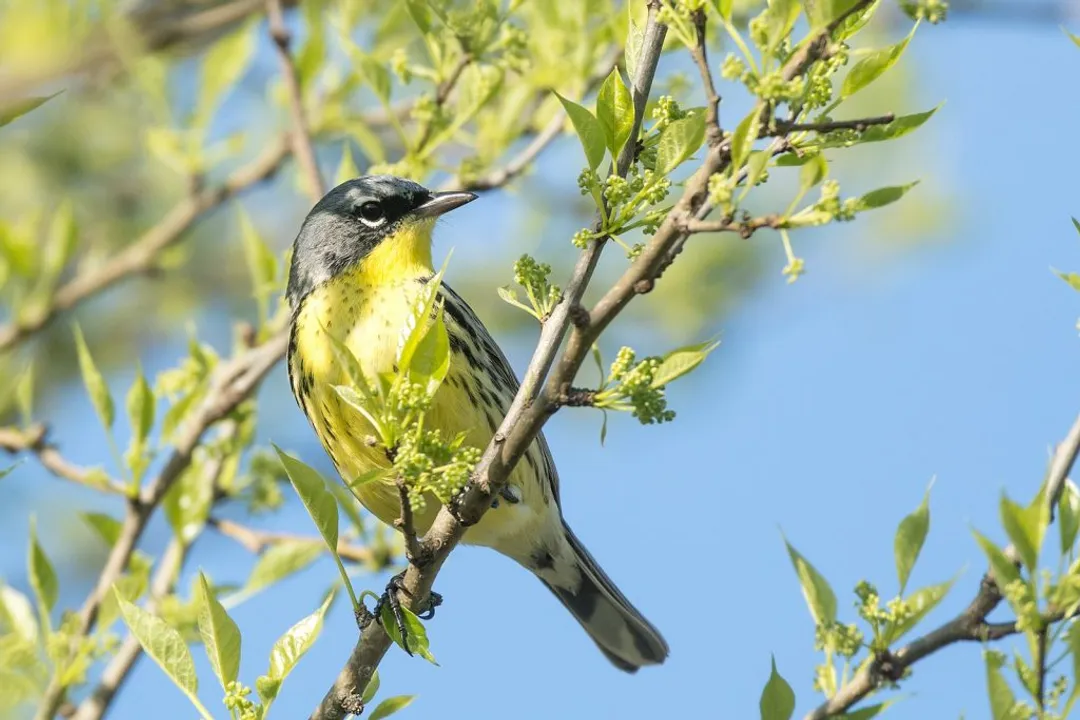
Warblers are consistently small, active birds. New World warblers are generally even smaller, measuring up to 7 inches in length and weighing as little as 0.1 to two ounces, sometimes noted as being about the weight of a single pencil. Their most specialized tool for their primary activity—foraging—is their bill. Most possess a thin, tweezerlike beak, perfect for gleaning small insects from foliage. An interesting exception is the Prothonotary Warbler, which sports a stronger bill used for probing into bark and dead wood. These birds belong to the order Passeriformes, which often means they have dainty, fragile feet with three toes pointing forward, ideal for perching.
It is interesting to note how their wing shape relates to their lifestyle. Those species that engage in long-distance migration have long, pointed wings built for sustained flight, while species that remain in a fixed habitat often have shorter, rounder wings. For those looking closely at minute details, wood warblers typically possess nine primary feathers, whereas many other songbirds have ten.
# Active Foraging
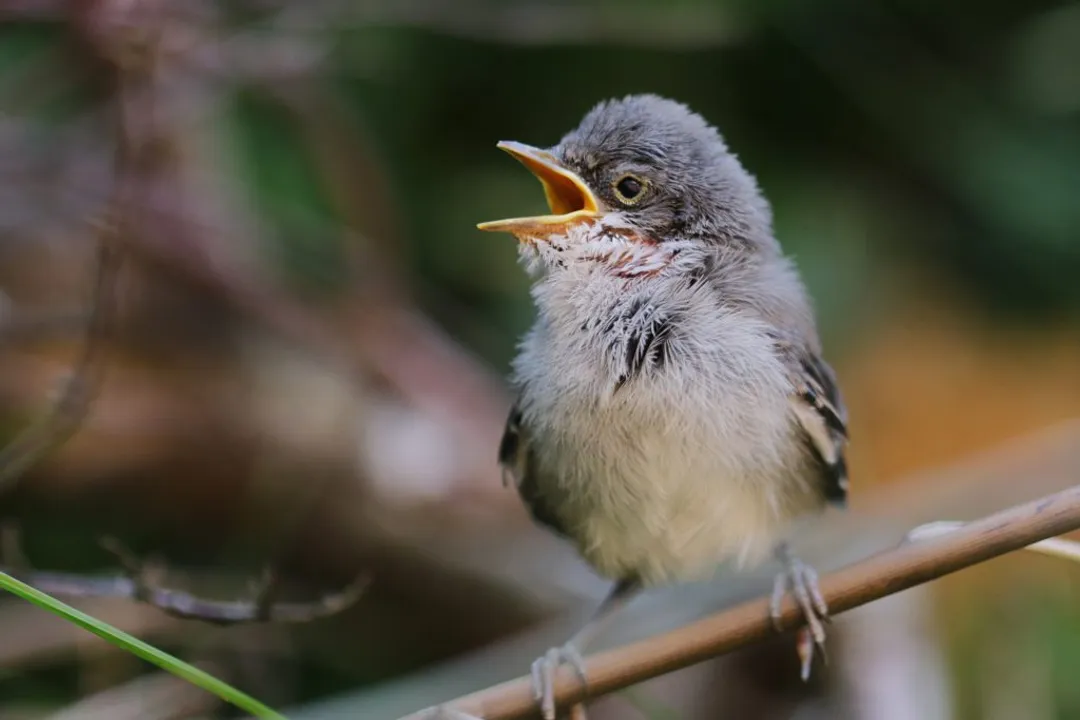
Warblers are famously hyperactive; they rarely stay still for long before hopping, shuffling to a new perch, or even creeping up and down tree trunks in a manner reminiscent of nuthatches. Their constant movement, combined with their tendency to hide behind leaves, is why they can be so difficult to spot, even though they are numerous.
Their main food source across the board is insects, including caterpillars, spiders, and larvae. They employ several methods to catch their meals:
- Gleaning: Plucking prey directly off leaves or bark.
- Hovering: Darting out briefly from a perch to grab a snack.
- Flycatching: Sallying out from exposed limbs to snatch prey in midair, a skill seen in species like the American Redstart and Canada Warbler.
- Ground Foraging: Some species can be observed searching for food on the ground level.
A helpful tip for attracting these insectivores if you wish to observe them closely is to recognize that most do not visit standard backyard feeders offering seed. Instead, providing suitable habitat—such as larger yards with small trees, shrubs near streams, or native plants that support a large insect population—is the best way to invite them to stay.
# Singing Prowess
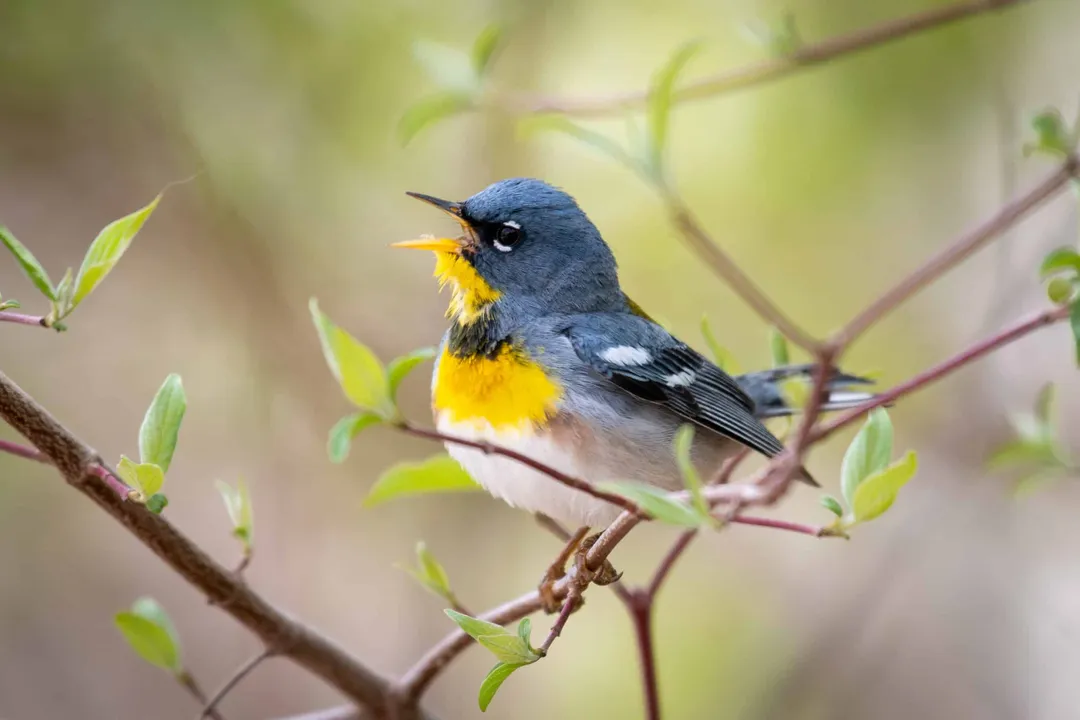
The very name "warbler" speaks to their vocal abilities. They are often described as singing champions, luring observers with subtle, varied voices that range from weak, lisping sounds to loud, multi-note warnings. Their repertoire can switch rapidly between harsh rasping calls and quick, liquid notes. During the breeding season, the male’s song is vital for attracting mates and defending territory. In some species, the female chooses her mate based on the quality of his song.
For instance, the song of the Northern Yellow Warbler is often described as a tumbling series of whistles sounding like, "sweet sweet sweet I'm so sweet". Some species, like the Marsh Warbler, are known for impressive mimicry, imitating the songs of other birds.

# Migration Feats
Nearly all warblers found in North America are migratory, traveling between their northern breeding grounds and southern wintering areas. This journey often takes them across vast distances, and they typically migrate nocturnally, which presents a significant threat from artificial light sources that can cause disorientation, exhaustion, and fatal collisions.
The migration champion among them might be the Blackpoll Warbler, a robust flier that can cover up to 12,400 miles round trip annually between Alaska and South America. Its fall journey is particularly astonishing, involving a nonstop flight of about 1,800 miles over the Atlantic Ocean that can last three days.
While many warblers seek warm, tropical refuge for the winter, the Yellow-rumped Warbler demonstrates a remarkable adaptation that allows some populations to remain on the North American continent year-round. This resilience stems from their unique ability to digest the waxy coating on berries, such as bayberry, juniper, and poison ivy berries, providing necessary sustenance when insects are scarce during harsh eastern winters. This dietary specialization sets them apart from most of their migratory cousins who must travel south for food.
# Nest Building
Warblers construct intricate, cuplike nests using whatever local plant materials are at hand: grass, bark, moss, and lichen. A fascinating element in their construction is the frequent use of spiderwebs, which help bind the structure together. This practice offers an added benefit: the sticky threads can ensnare small insects, creating a ready food source near the nest.
Nest placement is highly varied across the family. Some are nestled in the crook of a tree or shrub, others suspended in reeds, and some species even build nests upon the ground. Certain cavity-nesting species, like the Prothonotary and Lucy's warblers, utilize existing holes in trees, and they can sometimes be attracted to human-provided nest boxes. In a classic example of avian defense, the Yellow Warbler often faces persistent egg-laying attempts from the Brown-headed Cowbird. When a female warbler recognizes a foreign egg in her nest, her instinct is not to abandon it but to build an entirely new nest directly on top of the existing one, covering the unwanted egg. This defense has been observed resulting in nests layered up to six times deep in a single season. The lifespan of warblers also varies, with the American Yellow Warbler living up to 9 years in the wild, while Old World species can reach 8 to 12 years, and New World species averaging 4 to 8 years.
# Notable Species Details
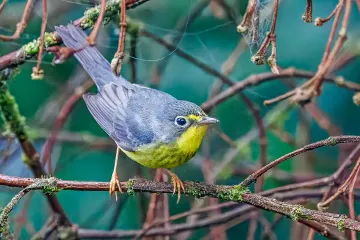
Examining specific species reveals the diversity within this group. The Northern Yellow Warbler (Setophaga aestiva) is easily recognized by its buttery yellow coloring, especially the males, which flash prominent chestnut streaking on their chests during summer. In a recent taxonomic split (as of 2025, according to one source), the Yellow Warbler was divided into the migratory Northern Yellow Warbler and the nonmigratory Mangrove Yellow Warbler.
Another abundant species is the Yellow-rumped Warbler, sometimes affectionately nicknamed "butterbutt" due to its namesake yellow rump patch. This species shows interesting regional differentiation: the western Audubon's form typically sports a yellow throat, while the eastern Myrtle form has a white throat and a distinct black mask. Their abundance and tendency to forage in groups make them a good starting point for new warbler enthusiasts.
Moving to a less common example, the Aquatic Warbler (Acrocephalus paludicola), found primarily in Europe, highlights the challenges facing certain warbler types. This species is globally threatened, largely because it relies on specialized, vulnerable coastal reedbeds for its breeding habitat in Eastern Europe before migrating to West Africa for the winter.
# Conservation Concerns
The tiny size and high activity of warblers make them vulnerable to several threats. The primary concern globally is habitat loss and fragmentation, which affects both breeding and wintering grounds. For the American Yellow Warbler, habitat fragmentation can actually exacerbate another issue: brood parasitism by the Brown-headed Cowbird, whose larger chicks often outcompete the native warbler young for food.
One conservation success story, showing the positive impact of focused effort, is the Kirtland's Warbler. Once the rarest warbler in the world, it was listed as endangered when its population dwindled to perhaps only 200 breeding pairs in the 1980s. Decades of intensive, multi-organizational conservation work successfully boosted numbers to around 2,300 pairs, leading to its removal from the endangered species list by the end of 2019.
While many warblers are vibrant treasures of the temperate spring, recognizing them involves more than just color—it requires understanding their habits, their songs, and the complex taxonomy that groups these small, active insect-eaters together across the globe. Taking the effort to observe where they feed and the habitats they prefer, rather than solely relying on feeders, often rewards the patient birder with a glimpse of these remarkable, hard-flying sprites.
#Videos
Fun & Interesting Facts About Warblers - YouTube
Related Questions
#Citations
11 Reasons Why Birders Are Obsessed With Warblers
Ask Kenn: What Exactly Is a Warbler? - National Audubon Society
Northern Yellow Warbler - All About Birds
Fun & Interesting Facts About Warblers - YouTube
Warblers 101 » Everything You Need To Know - Bird Buddy Blog
American yellow warbler - National Zoo
Warbler | Types, Habits & Migration - Britannica
Warbler Bird Facts - A-Z Animals