What are some fun facts about warblers?
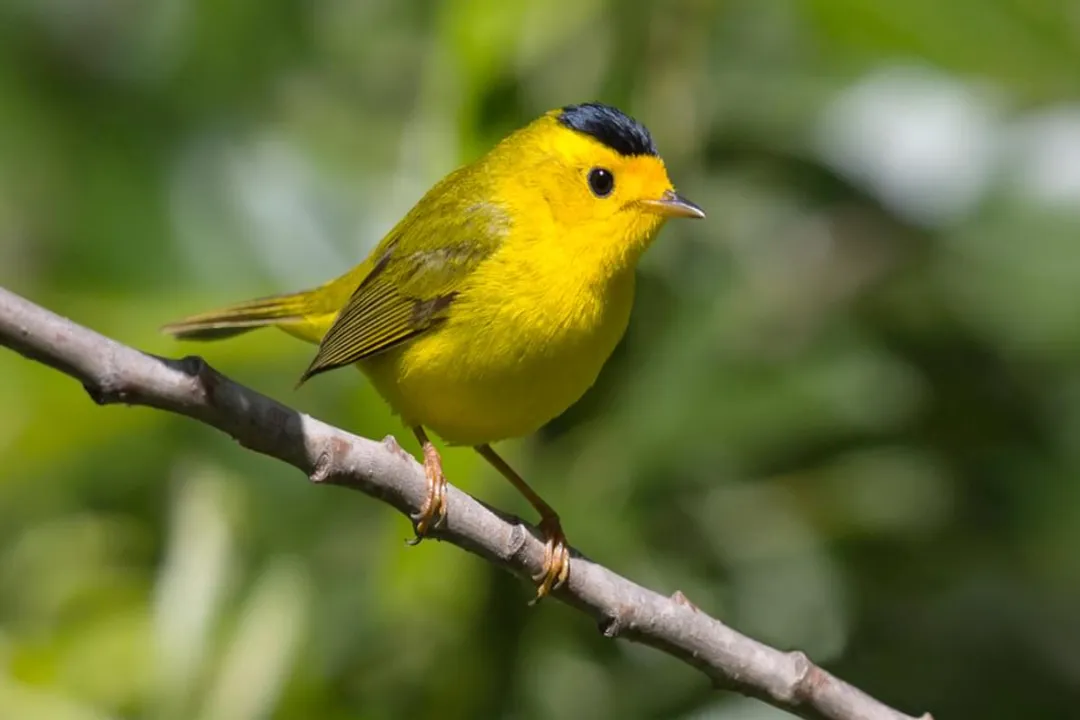
The mere mention of a warbler often conjures images of tiny, jewel-toned birds flitting through the high canopy during spring migration, but these small songbirds pack an outsized amount of fascinating biology into their diminutive frames. With over 50 species gracing North America alone, and hundreds more globally, warblers represent an incredibly diverse family of perching birds, aptly named after the Old French word werbler, which signifies singing in trills. [1][2] They are famous for their energetic insect-hunting, but a deeper dive reveals specialized diets, differing migratory strategies, and surprising anatomical quirks that set them apart from other passerines. [2][3]
# Two Warbler Worlds
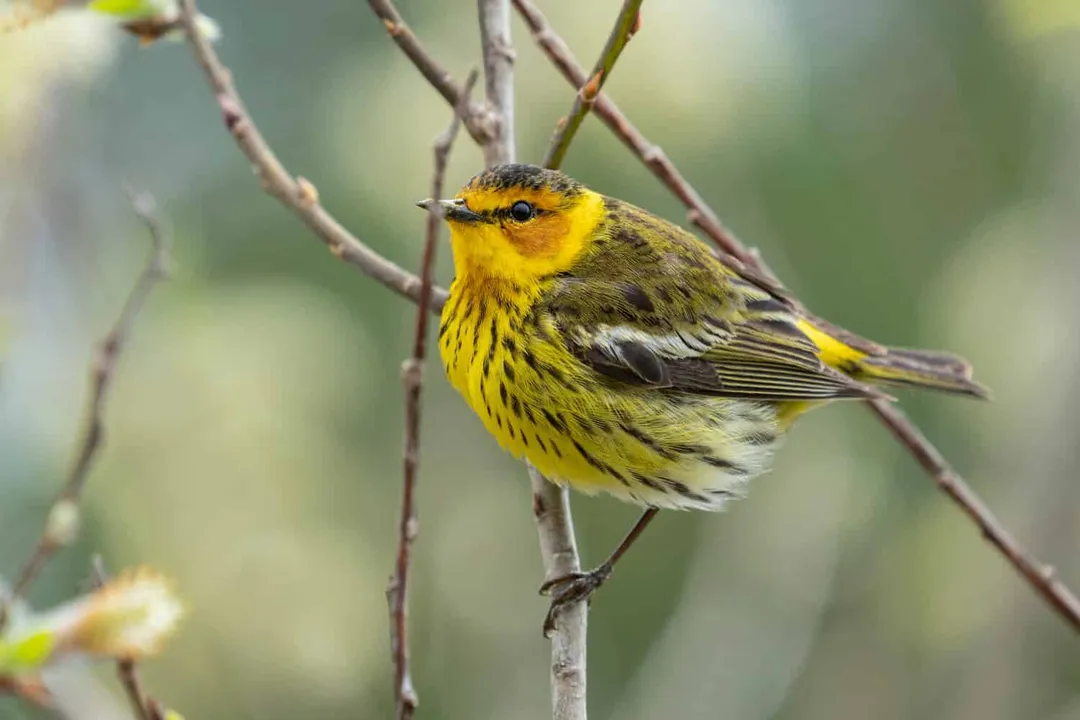
When discussing warblers, it is essential to recognize that the term covers birds that are not closely related, divided primarily into two main groups: the New World warblers (Parulidae, often called woodwarblers) and the Old World warblers. [2] While they share a similar general appearance and an insectivorous lifestyle, they are taxonomically distinct. New World warblers, which dominate the North American migration spectacle, are generally much more vividly colored, featuring combinations of gold, red, yellow, and black. [2] Conversely, Old World warblers tend to display more subdued plumage, leaning toward gray, brown, and muted green tones. [2] Furthermore, there are subtle anatomical differences; for example, many woodwarblers possess nine primary feathers, whereas other songbirds typically have ten. [2] This family division means that observing a warbler in Europe or Asia might involve an entirely different suite of behaviors and appearances than spotting one during a spring migration in Colorado. [2][3]
# Migration Mastery
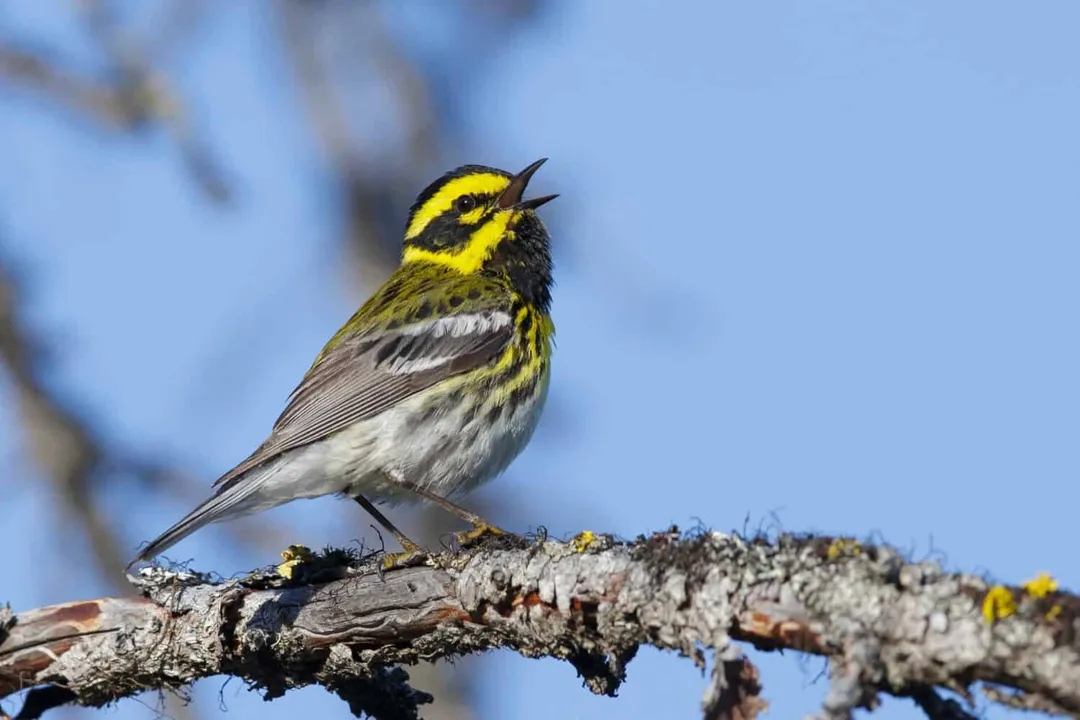
Almost all warblers that visit North America engage in migration, traveling south to escape the insect scarcity of northern winters. [2][3] While many simply follow the warmth, some species perform truly astounding feats of endurance. The Blackpoll Warbler stands out as a champion, undertaking round trips that can cover up to 12,400 miles annually, including a non-stop, three-day crossing of the Atlantic Ocean, sometimes spanning around 1,800 miles over open water during the fall journey. [2]
However, the story of adaptation in migration is perhaps best exemplified by the Yellow-rumped Warbler (YRWA). While most warblers must vacate the continent or face starvation when bugs disappear, the YRWA has evolved a unique survival mechanism. Unlike their peers, hardy coastal populations in the East can stick it out as far north as New York and Connecticut throughout the winter. [1] This feat is possible because of specialized high levels of bile salts in their digestive systems, enabling them to process the waxy coating on winter berries from plants like bayberry, juniper, and even poison ivy. [1][2] This ability to tap into a lipid-rich, year-round food source effectively allows the YRWA to treat parts of the southern United States as its winter home rather than a mere refueling stop, a trait that sets it apart in the usually insect-dependent warbler community.
# Foraging Finesse
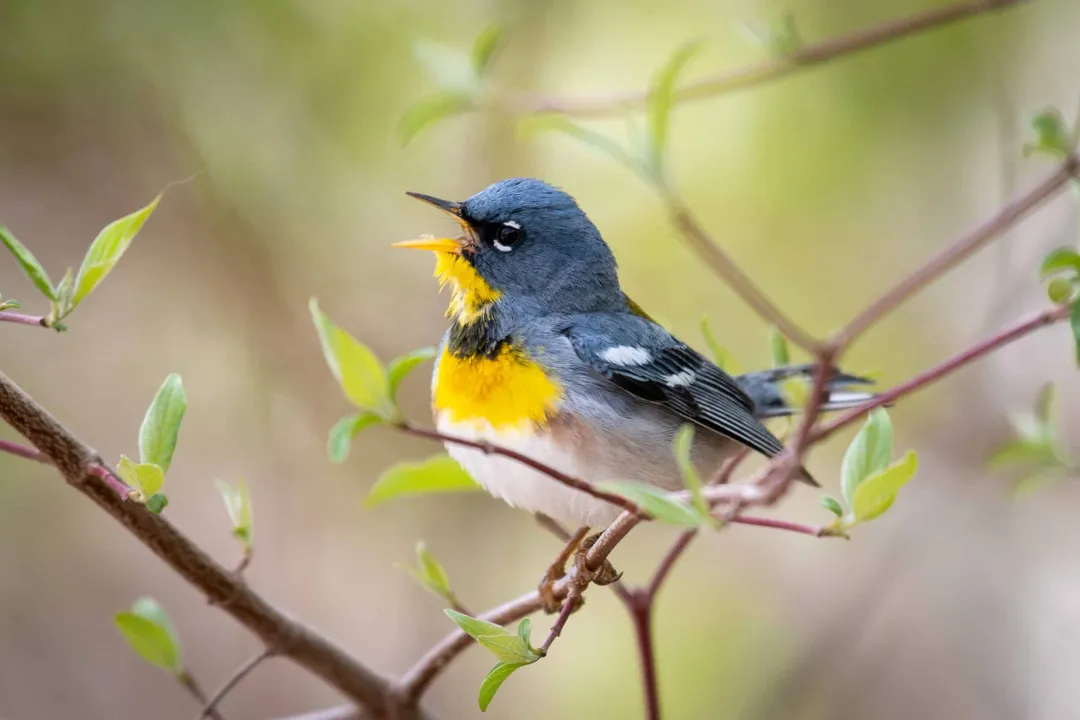
Warblers are highly active birds, but how and where they hunt their invertebrate prey varies significantly between species, offering an excellent way for observers to learn the subtle differences between them. Most species are equipped with thin, tweezerlike beaks perfect for gleaning insects from leaves or snatching them mid-air, a technique called flycatching. [2][1]
The vertical niche a warbler occupies in the forest strata can be a major clue to its identity. Consider these examples:
- The Wilson’s Warbler prefers to move low, "dancing around willow and alder thickets, often near water," and rarely requires observers to crane their necks upward. [1]
- In contrast, the Grace’s Warbler focuses its hunt almost exclusively in the upper third of mature Ponderosa and Pinyon pine trees, picking insects from smaller branches and needle clusters, well away from the main trunk. [2]
- The common Yellow-rumped Warbler shows great flexibility, foraging by gleaning from leaves, hovering like a pewee, and even clinging to bark surfaces, demonstrating a behavior closer to that of a creeper. [1][2]
For birders navigating an area, taking a moment to assess which level of vegetation holds the most activity can drastically improve the odds of identifying a species. If the lower shrubs are active, look for the low-foragers; if the mid-story is buzzing, the aerial hunters might be there. This vertical partitioning, though not always rigid, is a key element of how diverse warbler populations coexist, ensuring they don't directly compete for every available spider or caterpillar. [3]
# Nesting Nuances and Defense
Warbler nests are typically small, cup-like structures built from grass, bark, and plant materials, but the specific location is highly variable. [2] Some species suspend them within reeds, others place them in the crook of a shrub, and some, like the Wilson’s Warbler, generally nest directly on the ground. [2][1] The Wilson’s Warbler displays an interesting adaptation: populations in coastal California and Oregon, where ground nesting may be riskier, elevate their nests up to five feet off the ground, and they tend to lay fewer eggs than their ground-nesting relatives. [1] Cavity nesters like the Prothonotary Warbler and Lucy’s Warbler seek out existing holes in trees, making them potential residents for yards with proper nest boxes. [2]
A fascinating defense strategy against brood parasites, such as the Brown-headed Cowbird, has been documented in the Yellow Warbler. When a cowbird’s egg is laid in their nest, the female warbler has been observed dealing with the intruder by building an entirely new nest floor on top of the existing eggs, sometimes resulting in nests layered six deep. [2] This costly but effective method ensures the survival of her own clutch, an instinct that appears to be finely tuned in this particular species.
# Vocal Virtuosos and Speed
The family’s name emphasizes their vocal talents, which range from subtle trills to piercing calls. [2] The complexity of their songs is often tied to mating success; females actively select males based on the quality of their singing. [2] Some species, like the Orange-crowned Warbler, establish "song neighborhoods" where nearby breeding males mimic each other's tunes. [3] Perhaps one of the most endearing habits is that bonded warbler mates will occasionally sing duets. [2]
Beyond song, warblers are built for speed and constant motion. They are extremely light—many weigh less than half an ounce, comparable to a pencil—but they are fast flyers, capable of reaching speeds up to 25 mph when chasing prey. [2][2] This combination of lightness and swiftness, along with their often bright plumage, makes them exciting, albeit challenging, targets for birdwatchers during the peak season of April and May. [3]
# Anatomy and Longevity
Many New World warblers possess a subtle structural clue that separates them from other songbirds: their unique feather count of nine primaries. [2] To aid in their insectivorous lifestyle, many also sport rictal bristles—stiff feathers found at the base of the bill that act like a net to help trap insects caught in flight. [2]
Their lifespan varies, suggesting a trade-off between migratory risk and potential longevity. Old World warblers generally enjoy a longer average lifespan of 8 to 12 years, while their New World cousins, facing harsher migratory pressures, average between four to eight years. [2] Even among the New World species, there are records of remarkable survival; the oldest recorded Wilson’s Warbler was recaptured and identified at nearly nine years old after being banded years earlier. [1] This individual survived multiple round-trip migrations, underscoring the sheer toughness hidden within their tiny bodies.

# Visual Identification Challenges
While spring finds many warblers clad in their most striking breeding colors, waiting for that flash of yellow or blue, a major challenge arises in the late summer and fall. As many species molt into their nonbreeding attire, their plumage becomes significantly more subdued, often taking on duller browns and grays, making rapid field identification much trickier than during the vibrant spring display. [1] Even the much-discussed Yellow-rumped Warbler exemplifies this difficulty, as its western (Audubon’s) and eastern (Myrtle) forms become notoriously hard to separate once the bright breeding patches fade. [1] Being aware of this plumage shift is crucial; a casual observer might miss a species in October that they would instantly recognize in May simply because the bird has changed its wardrobe. [1][2]
#Videos
Fun & Interesting Facts About Warblers - YouTube
Related Questions
#Citations
11 Reasons Why Birders Are Obsessed With Warblers
Fun & Interesting Facts About Warblers - YouTube
10 Fun Facts About the Yellow-rumped Warbler | Audubon
Warblers - Bryce Canyon National Park (U.S. National Park Service)
Wilson's Warbler Overview, All About Birds, Cornell Lab of Ornithology
Warbler Bird Facts - A-Z Animals
What Makes Warblers So Cool Anyway?