Western Green Mamba Diet
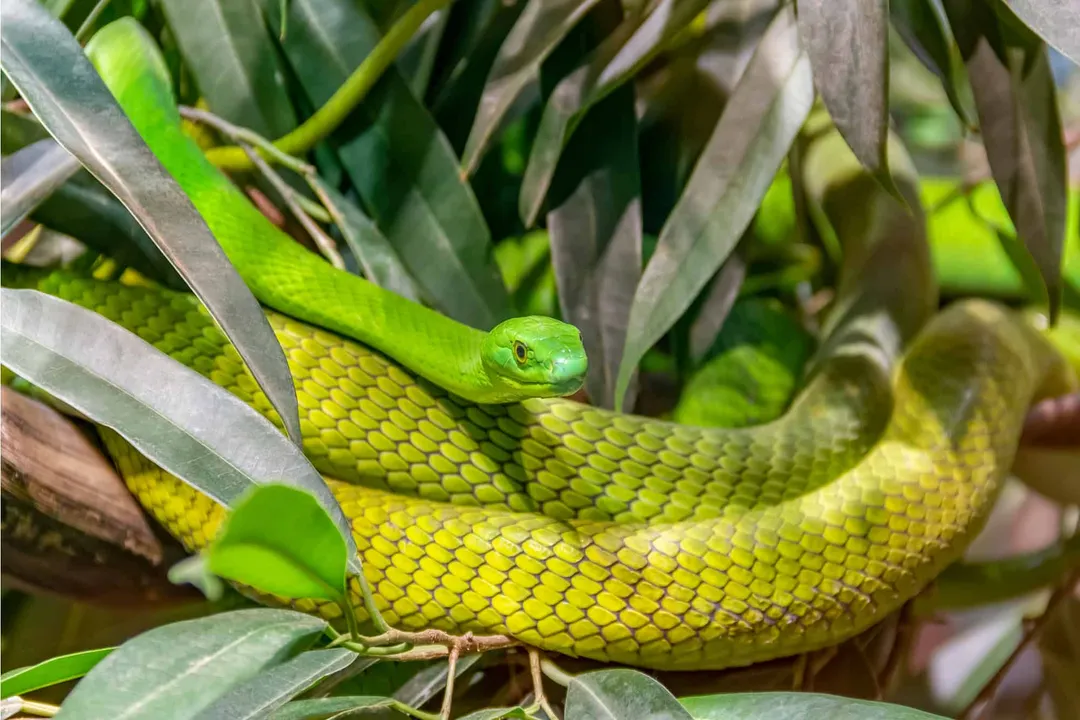
The Western Green Mamba, Dendroaspis viridis, is an intensely green, highly venomous serpent that spends the vast majority of its existence navigating the dense canopies of West African forests, thickets, and woodlands. [2][3][7] Its livelihood, like that of all predators, is fundamentally tied to what its environment provides, and this arboreal specialist has adapted to take advantage of the diverse fauna sharing its treetop home. [1][2] While its shy nature means conflict with humans is rare, understanding its natural diet offers a window into its ecology and the sophisticated predatory tools it possesses. [2][3]
# Arboreal Prey Focus
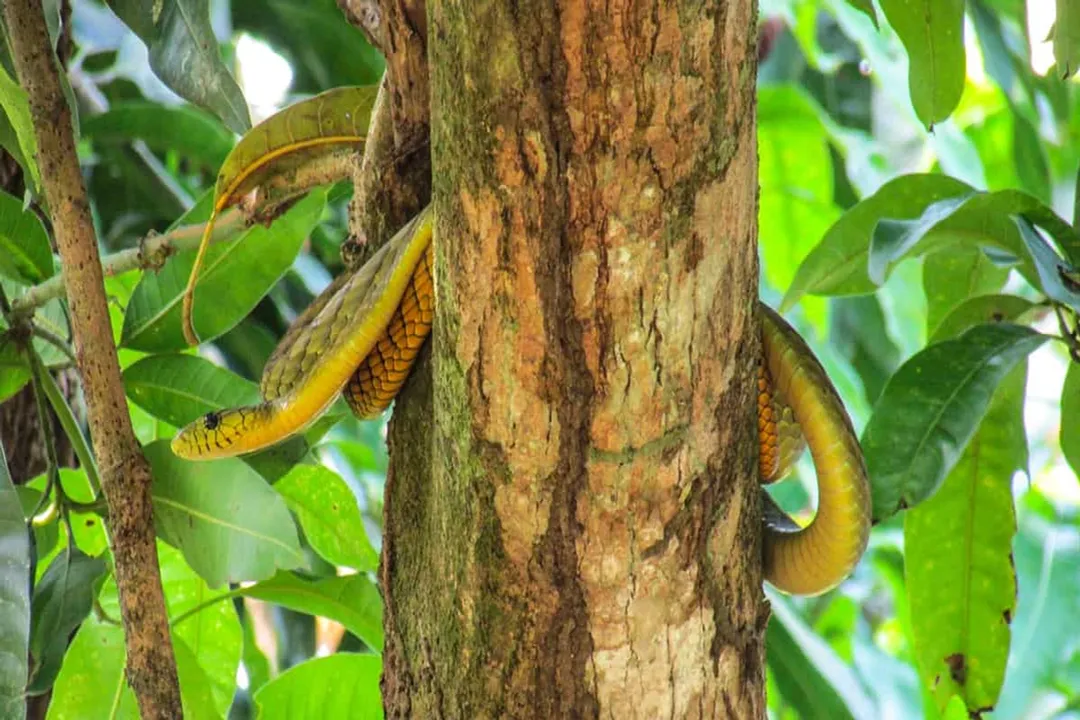
As a species whose scientific name, Dendroaspis viridis, roughly translates to "green tree asp", [5] its feeding habits naturally lean toward resources available high above the forest floor. [2][7] The green coloration provides near-perfect camouflage among the leaves, allowing this fast and agile hunter to lie in wait or stalk prey with minimal detection. [1][4] The primary staple in the diet of the Western Green Mamba consists of birds. [1][2][3] Given their speed and aerial habitat, successful predation often relies on lightning-fast strikes against unsuspecting avian life. [1] They are known to hunt by pursuing their meals, striking repeatedly until the prey is subdued by the potent venom. [2][7]
It is worth noting that the venom composition of arboreal mambas, including D. viridis, is thought to reflect this dietary preference for birds, differing somewhat from the venom of the mainly terrestrial Black Mamba, which targets small mammals. [3] This suggests an evolutionary pressure where venom components must efficiently neutralize prey that is often quick-moving and airborne, requiring rapid systemic disruption rather than just localized effect. [3]
While primarily focused on the vertical environment, the Western Green Mamba is not strictly confined to the branches; it will readily descend to ground level to forage. [2][7] This flexibility ensures a broader intake of food resources when opportunities arise, whether it’s ambushing prey on the forest floor or exploring lower vegetation layers. [2][4]
# Mammals and Reptiles
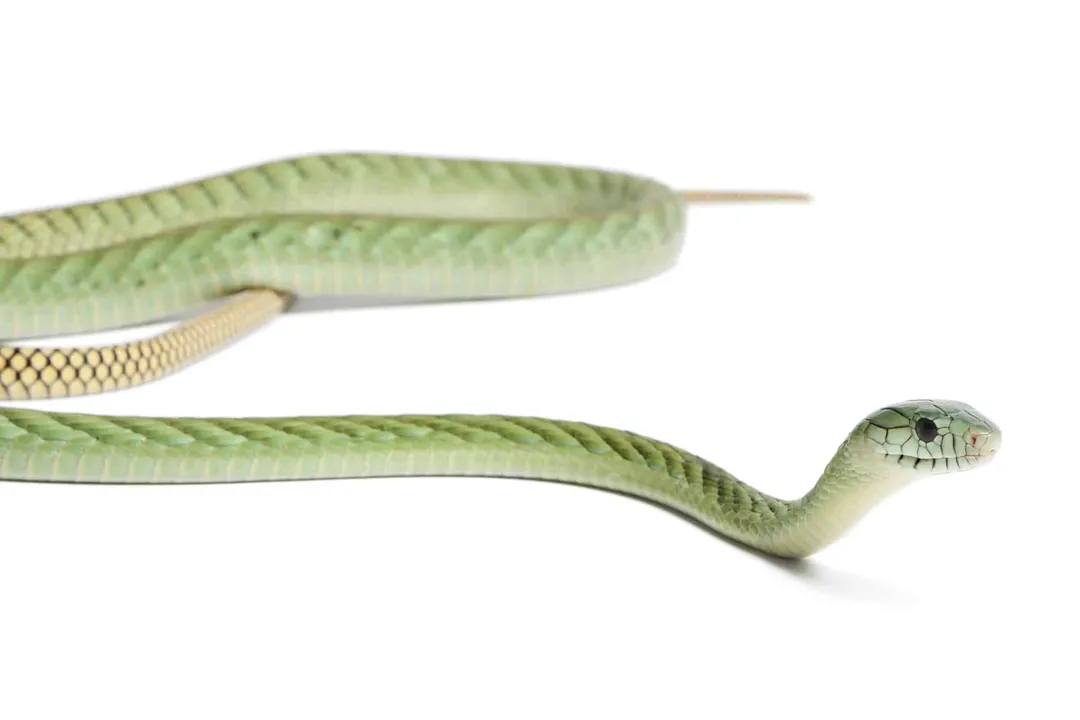
Beyond the birds that make up a significant portion of its meals, the mamba’s omnivorous tendencies extend across several other classes of small animals. [2] Small mammals feature heavily in the established menu, specifically mentioning rodents such as mice and rats, as well as squirrels. [2][3][4] These terrestrial or semi-arboreal mammals represent prey that is perhaps more accessible when the snake is hunting closer to the ground or on thicker branches. [2][7] Other small mammals recorded in its intake include shrews and even bats. [2] One source also notes the presence of tree pangolins in their diet, suggesting they exploit whatever suitably sized warm-blooded creatures they can subdue. [2]
To round out the menu, lizards are a consistent component of the Western Green Mamba's intake. [1][2][4] These reptiles, often found basking or moving through the foliage, provide a reliable source of protein for this swift predator. [4] Furthermore, the diet sometimes includes lower trophic levels, specifically frogs and bird eggs. [2][3] The occasional consumption of eggs shows a reliance on the reproductive cycles of avian neighbors, securing a nutrient-rich meal without the chase required for an adult bird. [3]
For those interested in the specifics of captive care, there’s an observed progression in feeding that mirrors natural growth. Hatchlings, which emerge relatively small at around 50 centimeters (20 inches) or 13.7–17 inches, [1][2] are typically offered pinky mice. [6] As the snake grows rapidly—sometimes doubling its size in the first year—the prey size scales up accordingly, with adults capable of consuming and digesting a half to three-quarter grown rat. [1][6] Observing this dietary escalation in captivity underscores the high metabolic needs of such an active, fast-moving reptile. [6]
# Venom Profile Link
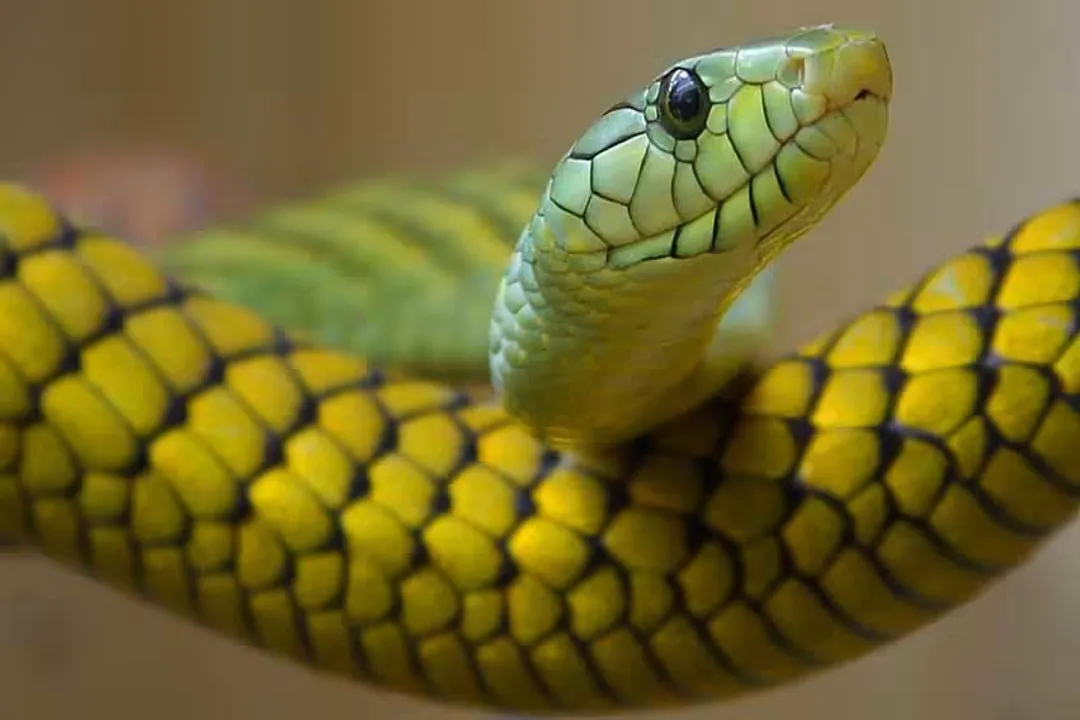
The power behind the mamba’s hunting success lies in its highly potent, rapid-acting neurotoxic venom. [2][5][7] This venom is composed mainly of presynaptic and postsynaptic neurotoxins (dendrotoxins), cardiotoxins, and fasciculins. [2][3][7] What is particularly fascinating is the acknowledged variability in toxicity, which is sometimes influenced by factors like the snake's diet and geographical location. [3][7]
This dietary influence on venom composition is a subtle but important point for conservation biologists and herpetologists alike. A mamba feeding heavily on one type of prey, perhaps in a specific region with abundant bird species, might maintain a slightly different venom profile than one whose diet skews more toward terrestrial rodents or lizards found elsewhere. [3][7] While the fundamental composition remains consistent within the species, these subtle shifts reflect the snake’s constant adaptation to maximize hunting efficiency against its most frequently encountered local food sources. A well-fed mamba, one successful in securing its preferred prey, likely produces venom optimized for that specific target profile, ensuring a quick, successful kill. [1]
# Captive Rations
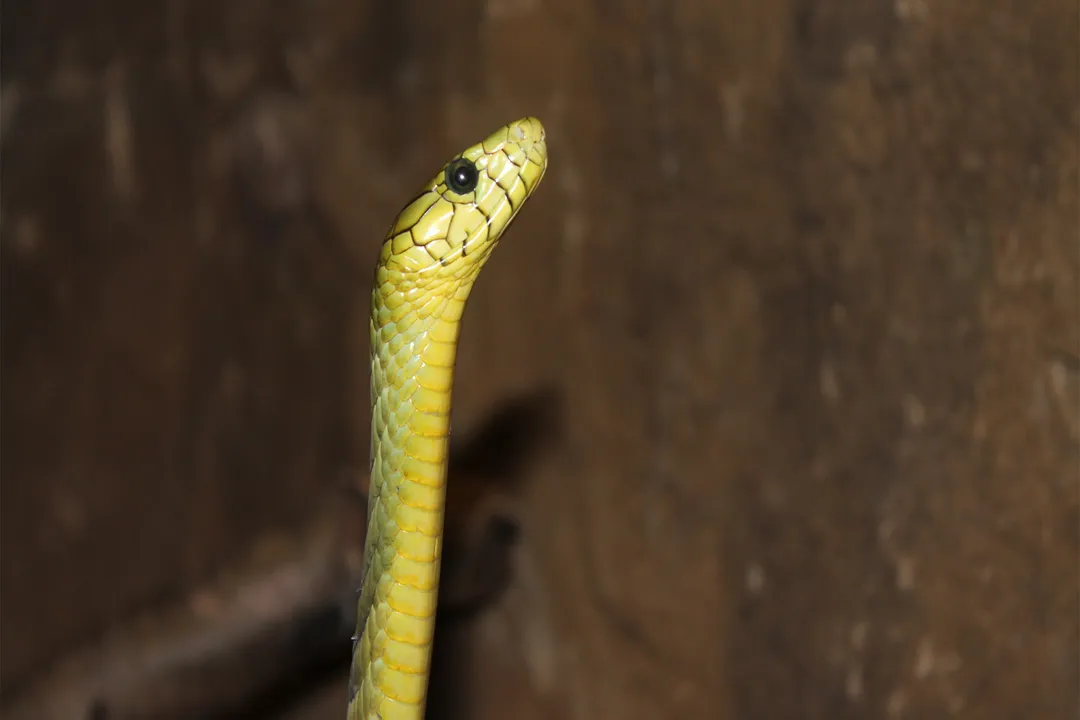
When these magnificent, fast-moving snakes are kept in specialized facilities, like the Central Florida Zoo, their maintenance diet needs careful calibration to support their high metabolism. [5][6] The provision of appropriately sized prey items is essential for healthy growth and development. [6] As noted earlier, the jump from the small pinky mouse for a hatchling to larger prey for a sub-adult mirrors the need to maintain energy levels required for their active, diurnal lifestyle. [6] Successful husbandry relies on mimicking this natural caloric requirement, ensuring the snake receives enough sustenance to drive its growth without being offered prey so large it becomes difficult to swallow or digest properly, which can pose risks to a fast-metabolizing predator. [6] Though often shy, their need to maintain speed and agility in their arboreal niche requires consistent, high-quality energy intake, derived from a diet rich in whole prey items that satisfy their carnivorous requirements. [1][2]
Related Questions
#Citations
Western green mamba - Wikipedia
Western Green Mamba Animal Facts - Dendroaspis viridis
Western Green Mamba - Facts, Diet, Habitat & Pictures on ... - Animalia
[PDF] Dendroaspis viridis | Viper Brothers
West African Green Mamba Attraction | Central Florida Zoo Animals
Green Mamba - Reptiles Magazine
Western Green Mamba Facts & Photos | Wowzerful
Western green mamba facts, distribution & population - BioDB