Water Dragon Facts
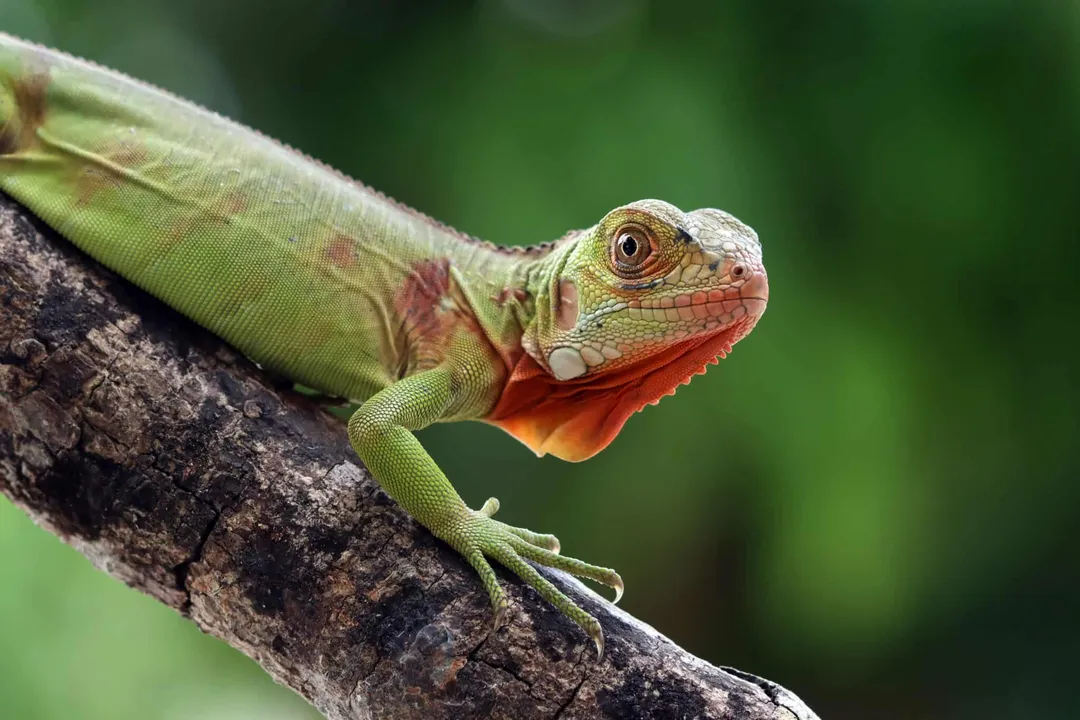
When you hear the term "water dragon," the image that springs to mind might be something straight out of mythology, but in the natural world, these creatures are very real, primarily referring to the various species of agamids found near water sources. Most commonly encountered in Australia are the Eastern Water Dragons, a fascinating reptile perfectly adapted to its watery domain. These lizards spend a significant portion of their lives near creeks, rivers, and lakes, relying on the water for safety and sustenance.
# Species Distinction
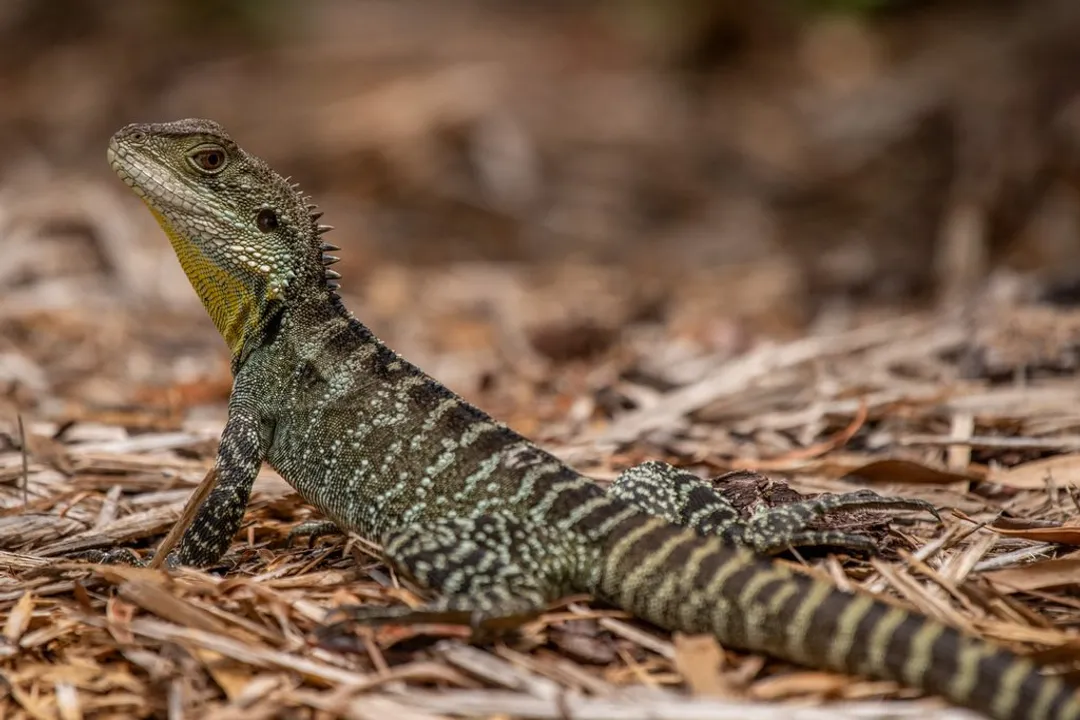
It is important to clarify which water dragon we are discussing, as the name can apply to different species across continents. In Australia, the focus is often on the Eastern Water Dragon (Intellagama lesueurii lesueurii), which is one of two subspecies of the Australian Water Dragon. The other is the Blotched Water Dragon. Meanwhile, across the world, the Chinese Water Dragon (Physignathus cocincinus) is well-known, particularly in the pet trade. While both share a reliance on aquatic environments, their appearance and native ranges differ significantly.
# Australian Features
The Australian Water Dragon is a striking lizard, known for its powerful build and relatively large size compared to some other local reptiles. Adult males, in particular, can reach impressive lengths, sometimes exceeding one meter from snout to tail tip. These lizards are generally seen basking on rocks or branches overhanging water. Their color can vary, but the males often develop bright, conspicuous colors, especially during the breeding season.
# Chinese Contrast
In contrast, the Chinese Water Dragon, when observed in its natural habitat or in high-quality captive settings, is renowned for its vibrant green coloration. While both types share the genus Physignathus historically, or belong to closely related groups, their visual differences—particularly the male coloration in the Australian species versus the overall green hue of the Chinese species—serve as a key field identifier for those familiar with both. If you observe a large, semi-aquatic lizard in an Australian waterway displaying prominent orange or reddish coloring on its throat and chest, you are almost certainly looking at an Eastern Water Dragon male. If you see a lizard that is uniformly bright green and arboreal near a pond, it's more likely to be the Asian counterpart, or perhaps a different native Australian species altogether if you are far from the eastern coast.
# Physical Traits
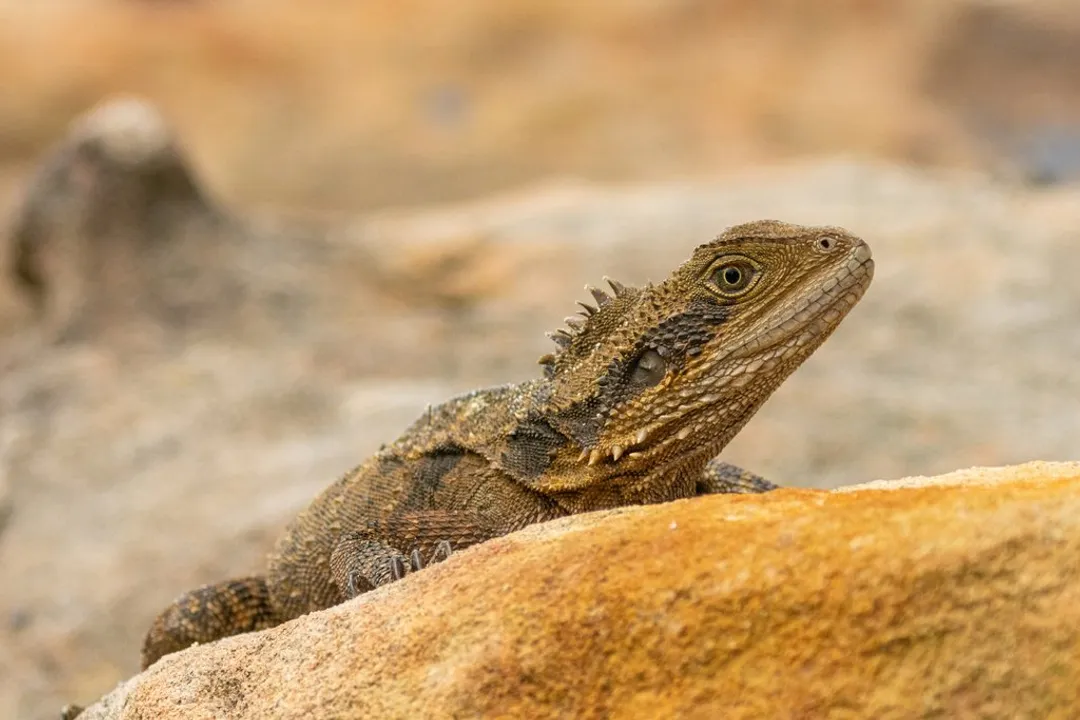
The physical characteristics of the Eastern Water Dragon are built for a semi-aquatic lifestyle, combining climbing ability with camouflage and display. Their bodies are sturdy, designed for sudden bursts of speed both on land and in the water.
# Size and Sex
A noticeable difference exists between the sexes in the Australian species. Females tend to be smaller than their male counterparts. While an adult male can reach that one-meter mark, the female's size often plateaus sooner and at a lesser maximum length. This sexual dimorphism, where males are significantly larger and more brightly colored, is common among many reptile species, serving roles in territorial defense and attracting mates.
# Head Crests
One of the most distinctive features adorning the head and back of the water dragon is its dorsal crest. This is a row of spiky scales running down the neck and back, which gives the lizard a somewhat prehistoric appearance. These crests are more pronounced in males, adding to their imposing stature when confronting rivals or defending territory. Observing the crest's size and color intensity can often signal the animal's mood or reproductive status to other dragons in the vicinity.
# Skin and Coloration
The skin of the Eastern Water Dragon often presents mottled patterns of grey, brown, or olive green, which helps them blend in with their surroundings—rocks, bark, and leaf litter. However, as noted, the breeding male provides a stark contrast with those bold splashes of orange or red pigment visible on the lower body. These colors are not just for show; they are a crucial part of their social signaling.
# Habitat and Range
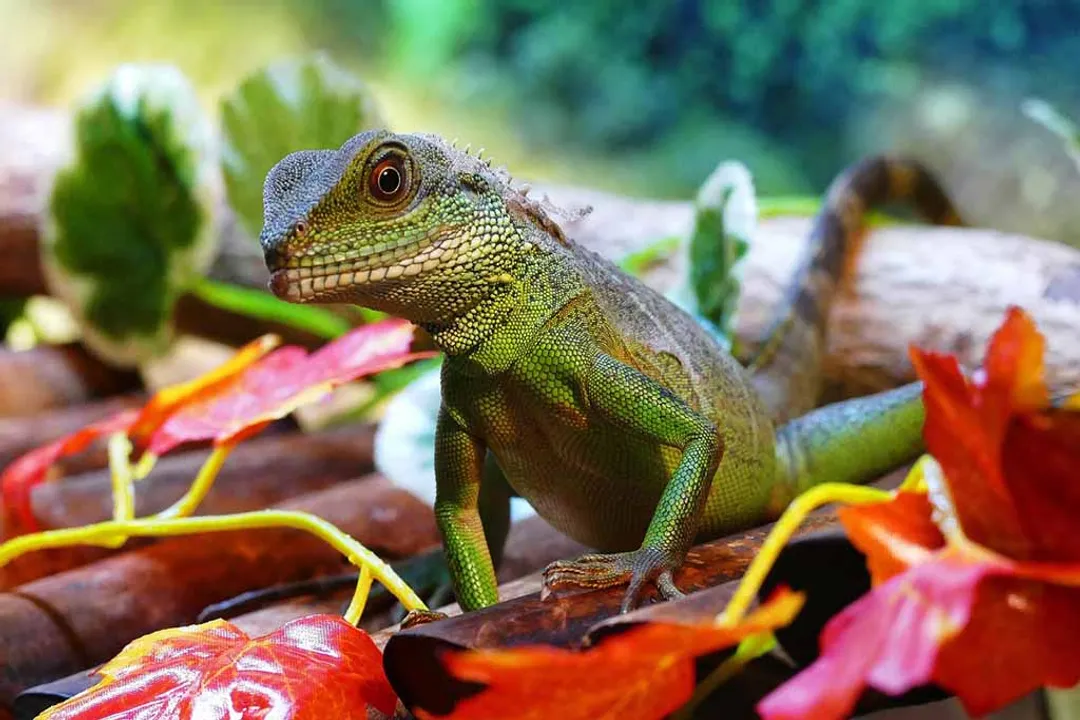
The distribution of the Eastern Water Dragon is closely tied to the presence of reliable, permanent water sources along the eastern seaboard of Australia. They are incredibly adaptable, successfully inhabiting areas that have seen significant human development, provided suitable refuges remain.
# Preferred Locations
You are most likely to encounter these lizards along the banks of freshwater bodies. This might include creeks, rivers, lakes, or even large, well-maintained dams. The key requirement isn't just the water itself, but the availability of nearby structures for thermoregulation and escape. They need basking spots—sun-exposed rocks, logs, or branches—to raise their body temperature efficiently, as they are cold-blooded. Furthermore, an immediate escape route is mandatory.
# Urban Coexistence
One striking aspect of the Eastern Water Dragon's ecology is its capacity to thrive near human habitation. In urban parks, botanical gardens, and even suburban backyards that border water, these dragons have established populations.
It is interesting to consider why they persist so well in these developed areas. The reason likely lies in their dual-escape strategy: if threatened from the water side or on the bank, they can quickly scramble up a nearby tree or rock face. This inherent safety buffer, provided by the proximity of both water and tree cover, allows them to maintain territory even where predators, like domestic cats or dogs, might be present, as long as they have clear flight paths. A dense, manicured lawn without nearby cover is far less attractive to them than a slightly overgrown bank with a sturdy branch overhead [Editor's Observation 1].
# Daily Life and Diet
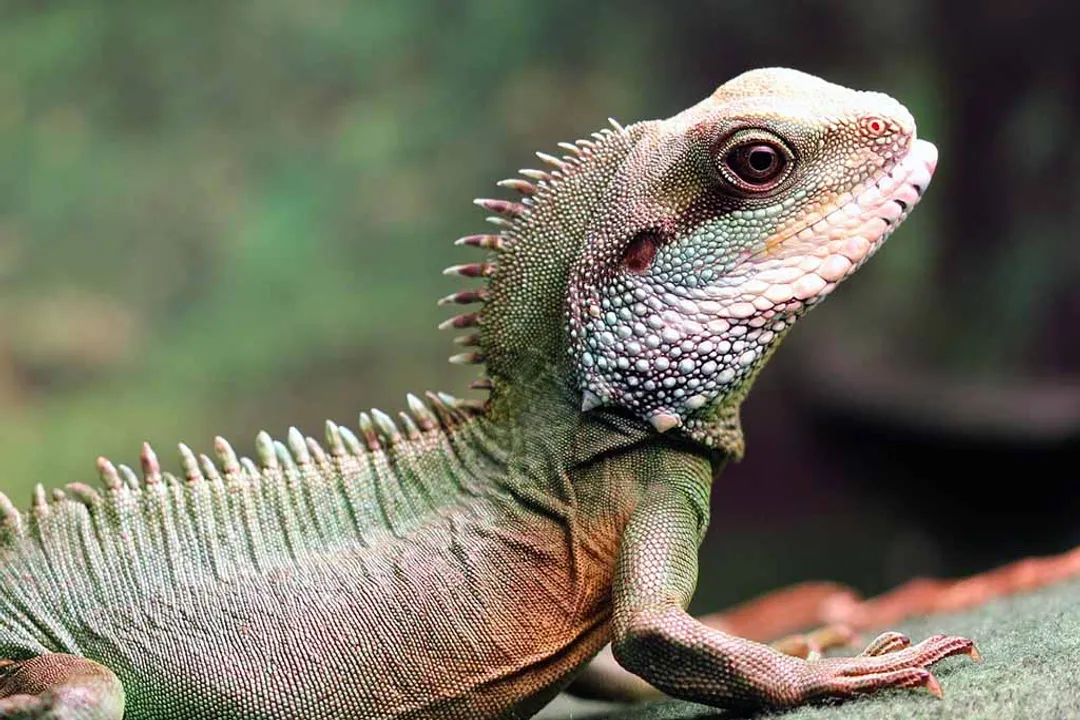
The daily routine of a water dragon revolves around temperature regulation and feeding opportunities. As ectotherms, their activity levels are dictated by the sun's warmth.
# Thermoregulation Routine
Mornings are typically dedicated to basking. The dragon will position itself carefully on its favorite sunning spot, absorbing solar energy to bring its body temperature up to the optimal range for digestion and movement. Once temperatures peak or if disturbed, they become highly alert. They are quick to flee perceived threats, often plunging into the water for safety. They are capable swimmers and can stay submerged for quite a while, hiding beneath aquatic vegetation or clinging to underwater structures until they deem it safe to surface.
# Menu Choices
The diet of the Australian Water Dragon is varied, classifying them as generalist omnivores. Their menu is opportunistic, reflecting what is available in their immediate riparian environment.
Their primary fare includes various invertebrates such as grasshoppers, beetles, spiders, and worms. However, they are also adept predators of small vertebrates like frogs and small fish they can catch in the shallows. Interestingly, their diet is not strictly carnivorous; they are known to consume plant matter as well, including fruits and leaves found near the water's edge. This mix ensures they receive necessary nutrients regardless of fluctuations in prey availability throughout the year [Editor's Observation 2]. For instance, during a dry spell when aquatic insects are scarce, an abundance of fallen berries could sustain them until conditions improve.

# Reproduction Cycles
Reproduction in Eastern Water Dragons is seasonal, tied to warmer months when resources are generally more plentiful to support the energy demands of egg production.
# Mating and Nesting
Mating occurs after the breeding season begins. Following successful mating, the female seeks out an appropriate site to lay her clutch of eggs. The choice of nesting location is critical for the survival of the offspring. She seeks out mounds of soil or sand, typically situated near the water's edge but elevated enough to avoid flooding. She digs a burrow or chamber within this mound where she deposits her eggs.
# Hatchling Emergence
The eggs incubate underground, relying on the ambient temperature of the soil to drive development. Once they hatch, the young dragons are immediately independent and must fend for themselves. They will instinctively seek out safe, sheltered areas close to the water, though they are much more vulnerable to predation than the adults.
# Interaction with Humans
While these magnificent reptiles are wild animals, their comfort level around humans in certain locales can be quite high, leading to frequent, close-range observations.
# Behavior Near People
In areas like public parks or botanical gardens where they are accustomed to human presence and perhaps even habituated to being fed (though feeding is often discouraged), they can become quite bold, often basking openly near walking paths. However, it is crucial to remember their natural defense mechanism: they are wary and will flee if approached too quickly or cornered. Despite their imposing appearance when threatened, they are generally regarded as harmless to people, preferring flight over a fight. If captured or severely provoked, they may bite as a last resort, but this is rare behavior for a wild specimen not actively defending a nest or young.
# Legal Status
As native wildlife, the Australian Water Dragon is protected under various state and territory legislation, meaning they should not be captured, harassed, or removed from their environment without proper authorization. Their presence is a sign of a relatively healthy local ecosystem supporting clean waterways and suitable basking/nesting areas.
# Table of General Water Dragon Facts
To summarize some of the key characteristics discussed, here is a comparison focusing on the two commonly referenced types:
| Feature | Eastern Water Dragon (Australia) | Chinese Water Dragon (Asia) |
|---|---|---|
| Primary Coloration | Brown, olive, or grey with orange/red male markings | Predominantly bright green |
| Max Size | Up to 1 meter | Varies, often large |
| Habitat Focus | Near Australian creeks, rivers, lakes | Tropical forests, near water |
| Sexual Dimorphism | Pronounced (males larger, brighter chest/belly) | Less pronounced in color, though size varies |
| Captive Needs (General) | Basking/Water access | High humidity, large enclosure, specific heat/UV requirements |
The survival of these dragons often hinges on the quality of the surrounding environment. For the Australian species, maintaining the integrity of riparian zones—the interface between land and stream—is essential for providing the necessary shelter, basking spots, and nesting substrate they require.
#Videos
Sailfin Lizard Facts: the WATER DRAGON Animal Fact Files
Related Questions
#Citations
Australian Water Dragon - The Australian Museum
Water Dragon Animal Facts - Physignathus
Water Dragon FAQ for kids
Australian water dragon - Wikipedia
Sailfin Lizard Facts: the WATER DRAGON Animal Fact Files
Eastern Water Dragon - Backyard Buddies
Explore the Chinese Water Dragon Reptiles - hygger
Water Dragon | Dragon Handbook Wiki - Fandom
Australian water dragon Facts for Kids