Why is the ability of the Tasmanian devil to process bone nutritionally significant?
Answer
It allows them to gain access to essential nutrients locked within the skeletal structure that less equipped scavengers might overlook
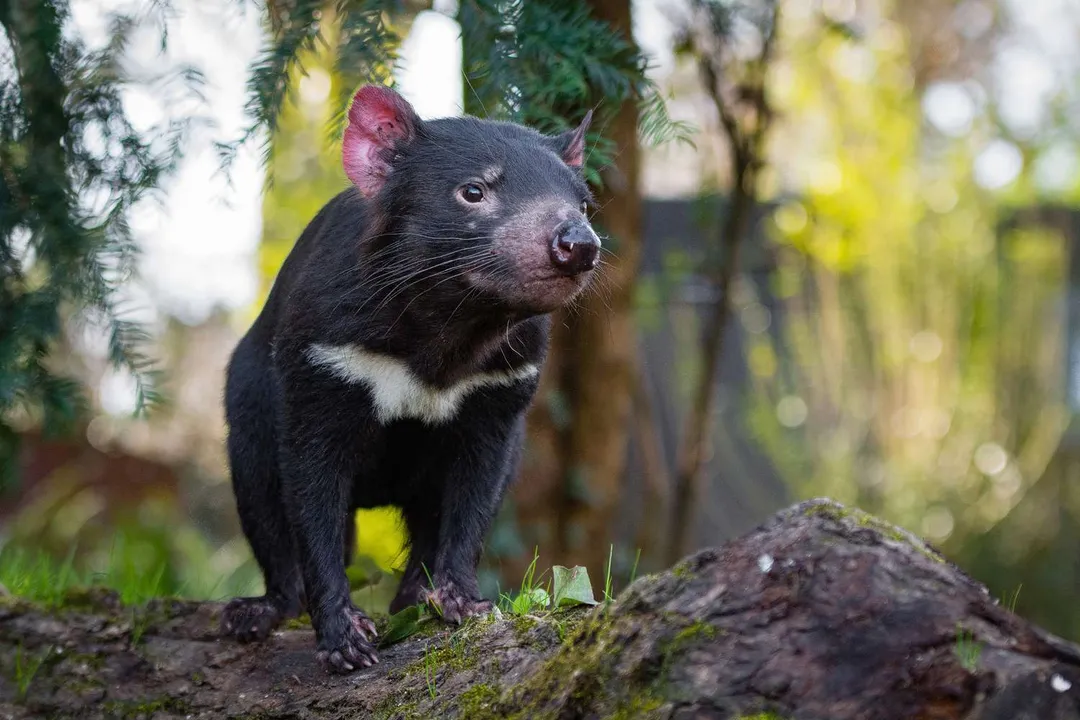
The capacity to crush and ingest bone provides a distinct nutritional advantage over scavengers that cannot process hard materials. Bones are not merely ingested incidentally; they contain essential elements, most notably calcium, along with other minerals and marrow. By effectively breaking down the skeleton, the devil maximizes nutrient extraction from a carcass, accessing a dense source of energy and minerals that would otherwise be inaccessible, thus completing the recycling of the animal matter.
Related Questions
What physical adaptation enables the Tasmanian devil to process bone material from a carcass?What is the primary ecological function of the Tasmanian devil’s near-total consumption of animal remains?Despite being obligate carnivores, what unexpected items might a starving Tasmanian devil opportunistically ingest?How does the Tasmanian devil's feeding specialization contrast with the behavior of omnivores?Approximately what percentage of its body weight can an average 8-kilogram Tasmanian devil consume in a single meal?What is the Tasmanian devil's status regarding carnivorous land mammals in its native Tasmanian ecosystem?Why is the ability of the Tasmanian devil to process bone nutritionally significant?What characteristic behavior occurs when Tasmanian devils gather around a large piece of carrion?Which of the following animals is specifically listed as potential prey actively hunted by the Tasmanian devil?What substance is the Tasmanian devil's digestive system adapted to break down, contrasting with plant matter?