How does the Tasmanian devil's feeding specialization contrast with the behavior of omnivores?
Answer
They are specialist carnivores whose specialization lies in consuming the entire package of a dead animal, not foraging broadly
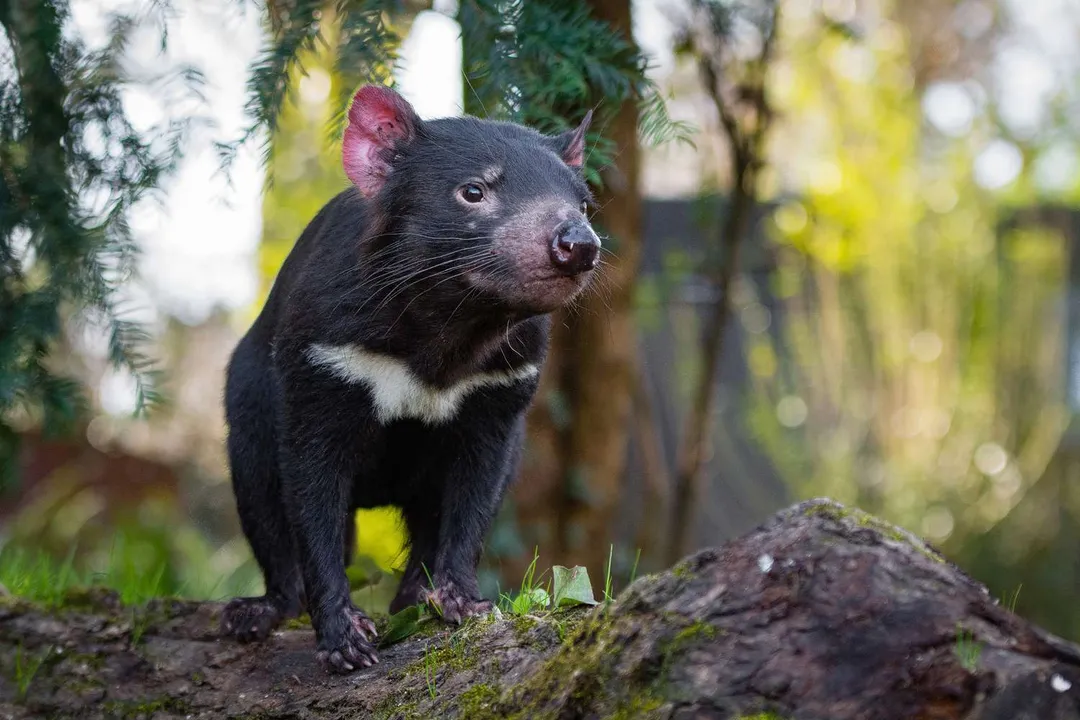
The key difference lies in the scope of their consumption within the carnivore category. While they are strictly meat-dependent, their specialization within that realm is totality; they consume flesh, organs, and bone, leaving virtually nothing substantial behind. Omnivores, by contrast, actively incorporate necessary or preferred amounts of plant material (leaves, fruits, seeds) into their regular diet, which involves broad foraging behaviors. The devil’s focus is singular: extracting all possible calories from an animal source, making them specialists in total consumption rather than generalist foragers.
Related Questions
What physical adaptation enables the Tasmanian devil to process bone material from a carcass?What is the primary ecological function of the Tasmanian devil’s near-total consumption of animal remains?Despite being obligate carnivores, what unexpected items might a starving Tasmanian devil opportunistically ingest?How does the Tasmanian devil's feeding specialization contrast with the behavior of omnivores?Approximately what percentage of its body weight can an average 8-kilogram Tasmanian devil consume in a single meal?What is the Tasmanian devil's status regarding carnivorous land mammals in its native Tasmanian ecosystem?Why is the ability of the Tasmanian devil to process bone nutritionally significant?What characteristic behavior occurs when Tasmanian devils gather around a large piece of carrion?Which of the following animals is specifically listed as potential prey actively hunted by the Tasmanian devil?What substance is the Tasmanian devil's digestive system adapted to break down, contrasting with plant matter?