What is the primary ecological function of the Tasmanian devil’s near-total consumption of animal remains?
Answer
Acting as nature’s primary cleanup crew by sterilizing carcasses and reducing biological waste
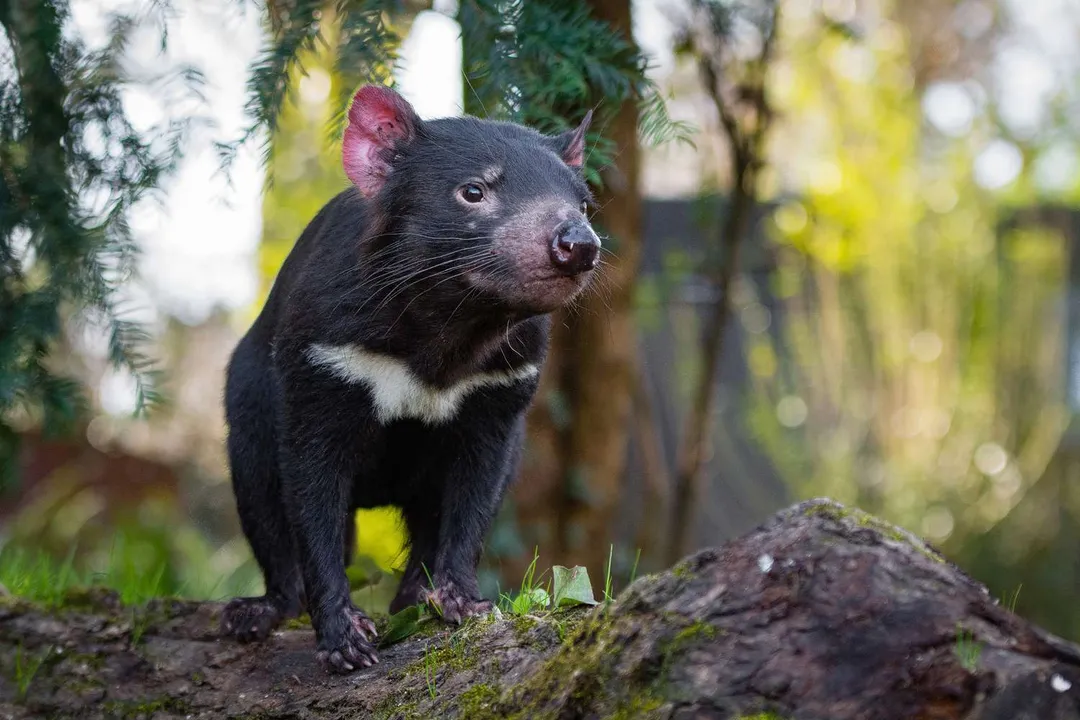
The specialized feeding habit of completely consuming animal remains serves a critical environmental role in Tasmania. By rapidly consuming everything, including tissues that would otherwise decompose slowly, devils effectively sterilize the carcass site. This action drastically reduces potential breeding grounds for disease-carrying bacteria and flies. They act as essential biological waste removers, ensuring that large animal carcasses do not linger, which helps maintain the overall health and stability of the island's ecosystem by controlling decomposition rates.
Related Questions
What physical adaptation enables the Tasmanian devil to process bone material from a carcass?What is the primary ecological function of the Tasmanian devil’s near-total consumption of animal remains?Despite being obligate carnivores, what unexpected items might a starving Tasmanian devil opportunistically ingest?How does the Tasmanian devil's feeding specialization contrast with the behavior of omnivores?Approximately what percentage of its body weight can an average 8-kilogram Tasmanian devil consume in a single meal?What is the Tasmanian devil's status regarding carnivorous land mammals in its native Tasmanian ecosystem?Why is the ability of the Tasmanian devil to process bone nutritionally significant?What characteristic behavior occurs when Tasmanian devils gather around a large piece of carrion?Which of the following animals is specifically listed as potential prey actively hunted by the Tasmanian devil?What substance is the Tasmanian devil's digestive system adapted to break down, contrasting with plant matter?