Do Tasmanian devils only eat meat?
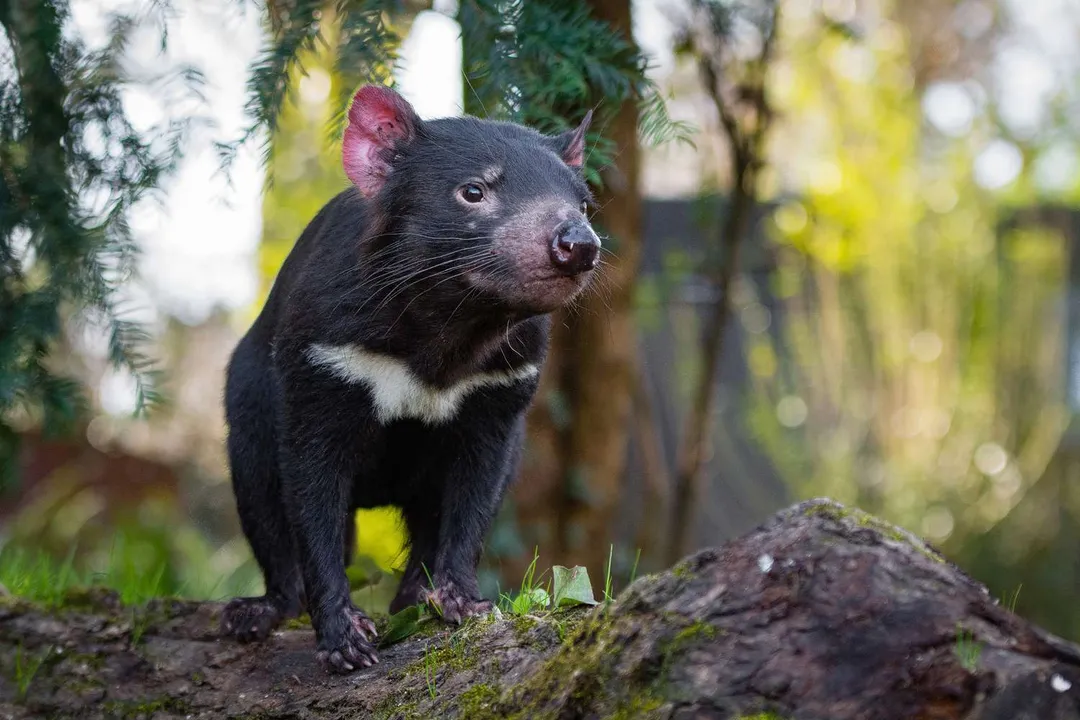
Tasmanian devils are often pictured as fierce little scavengers, vacuuming up every last bit of a carcass. The prevailing image is one of an animal exclusively dedicated to meat. While they are indeed obligate carnivores, meaning their survival depends on an animal-based diet, the simple answer to whether they only eat meat requires looking closely at their feeding behaviors in the wild and what their powerful jaws are capable of processing. They are certainly not grazing herbivores, but their definition of "meat" is incredibly broad, extending far beyond muscle tissue.
# Carnivore Classification
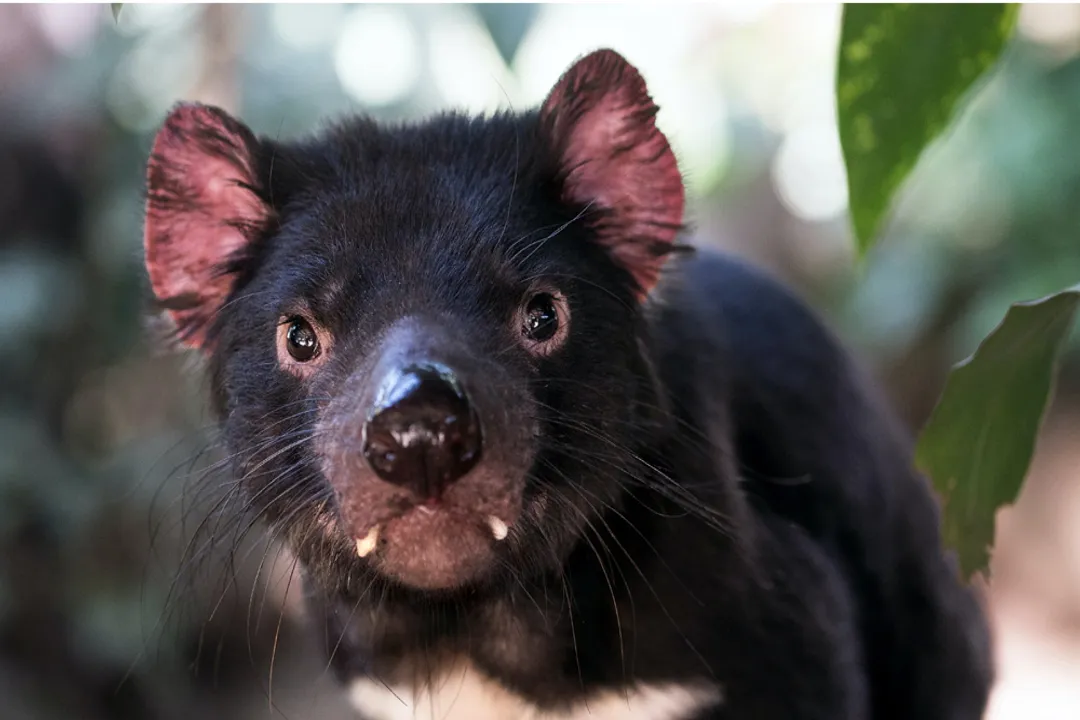
As marsupials, Tasmanian devils belong firmly in the carnivorous camp. In their native Tasmanian ecosystem, they fill a critical niche as the island’s largest carnivorous land mammal and its most important scavenger. Their diet is based almost entirely on animal matter, encompassing both fresh kills and carrion—the remains of animals that have already died. They actively hunt small to medium-sized prey, such as wallabies, possums, birds, reptiles, and even wombats, although they are often more successful at ambushing sick or young individuals.
However, their reputation as scavengers is well-earned. In environments where food isn't always easy to catch, consuming animals that have already perished is an essential survival strategy. This behavior not only secures calories for the devil but also serves a vital ecological function by rapidly cleaning up the landscape.
# Processing Remains
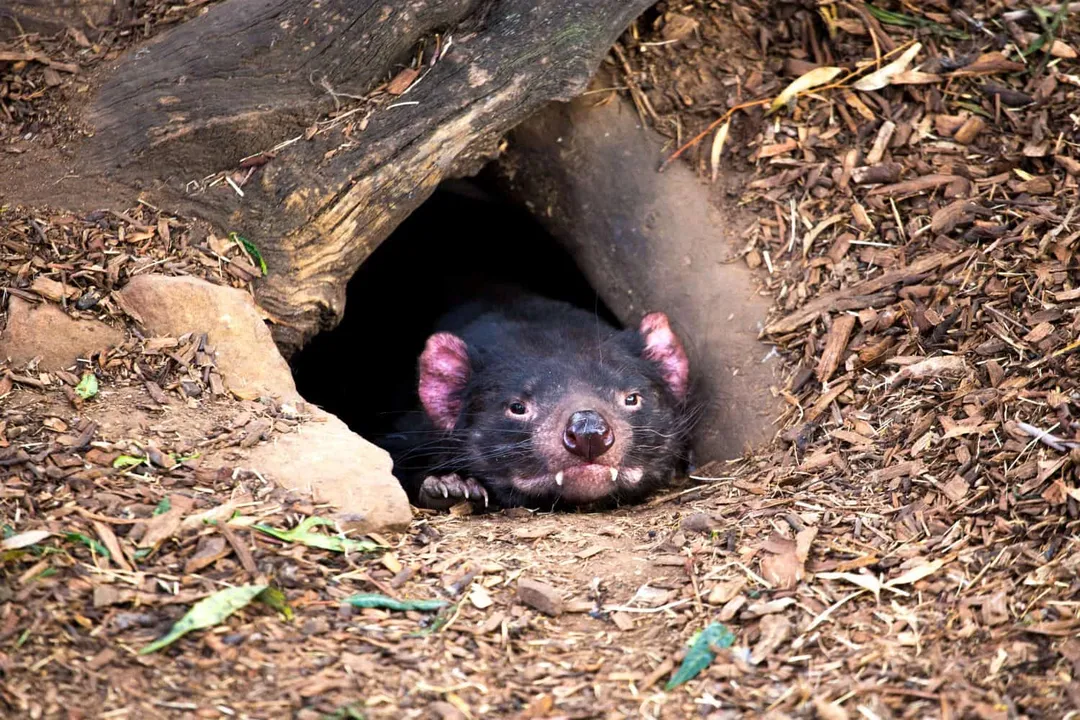
What sets the Tasmanian devil apart, even among dedicated scavengers, is the sheer totality of what it consumes from a carcass. They are exceptionally efficient eaters. When a devil feeds, it rarely leaves anything substantial behind.
Their diet is famously indiscriminate regarding different parts of the animal. They eat the flesh, of course, but they also consume the internal organs and, critically, the bones. Their jaws are incredibly powerful—the strongest bite force per body mass of any living mammalian carnivore—allowing them to crush bone quite easily. The ability to process bone is significant because it means they gain access to nutrients locked within the skeleton that other, less equipped scavengers might miss. One might estimate that for an average 8-kilogram devil, being able to consume up to 30% of its own body weight in a single meal, including hard materials, speaks volumes about their feeding adaptation. This all-or-nothing approach to carrion means fewer disease vectors are left behind in the environment.
# Non-Meat Items
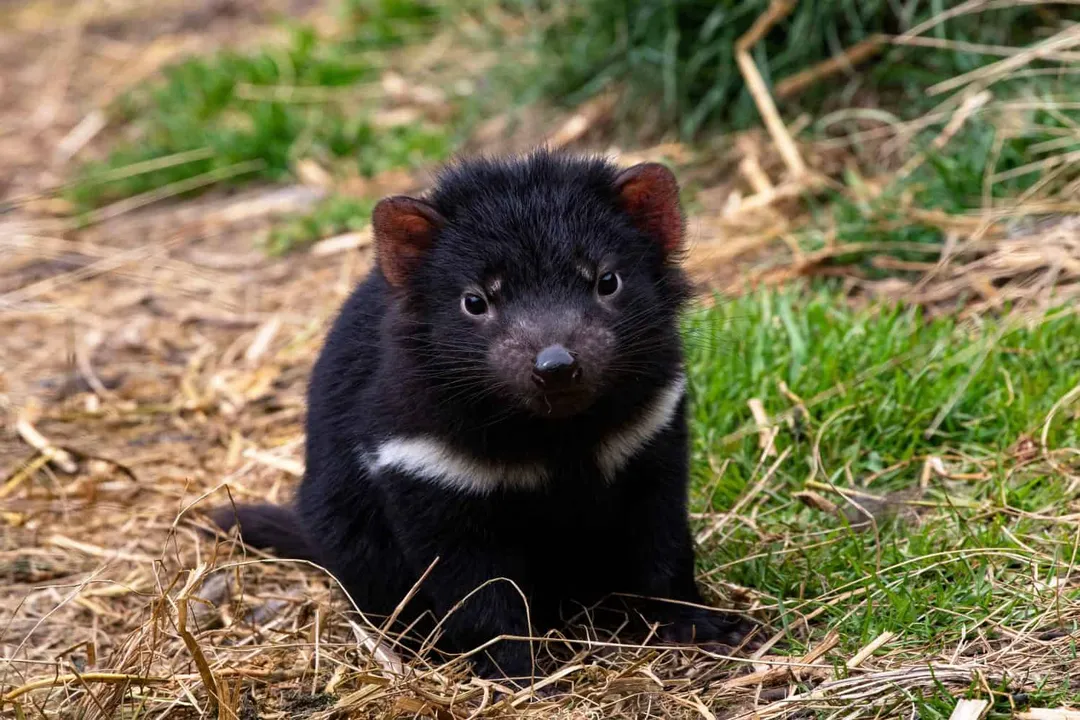
To answer the "only" part of the query, we must look at what falls outside the realm of animal matter. In the wild, documented evidence strongly suggests that Tasmanian devils do not regularly consume plant material like leaves, fruits, or grasses as a necessary part of their diet. Their digestive system is adapted for breaking down protein and fat, not cellulose.
That said, life in the wild sometimes forces behavioral flexibility. If resources are extremely scarce—perhaps during a prolonged period of drought or when carrion is unavailable—a starving devil may opportunistically consume other items, such as insects or, rarely, fallen fruit. However, these instances are deviations from the norm, not dietary staples. In controlled settings, such as zoos, their diets must strictly mimic their natural intake: they are fed whole prey items or substantial cuts of meat, ensuring they receive the necessary calcium and nutrients typically derived from bones and fur. Therefore, while a starving individual might ingest an insect or two, their biological requirement centers squarely on animal flesh and bone. They are not foragers in the way that omnivores are; they are specialist carnivores whose specialization lies in consuming the entire package of a dead animal.
# Ecological Function
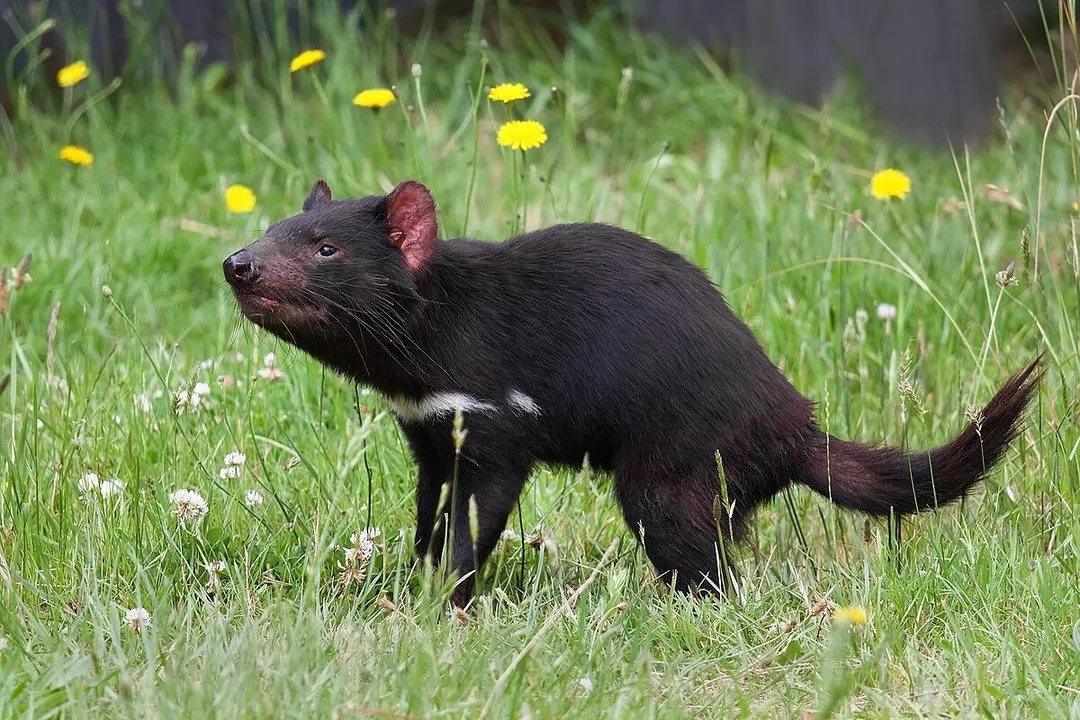
The devil's specialized, near-total consumption of animal remains plays an outsized role in maintaining the health of the Tasmanian bush. By effectively sterilizing carcasses and removing potential breeding grounds for flies and bacteria, they act as nature’s primary cleanup crew.
Imagine a scenario where the devils were absent: large animal carcasses would linger far longer, potentially spreading disease or attracting invasive species that could destabilize the ecosystem. The devil’s powerful scavenging habit directly reduces the biological "waste" left behind after an animal dies. This essential service means that understanding their diet isn't just about what they eat, but about understanding their ecological authority—they are guardians of carcass decomposition rates. Without this dedicated meat-eater, the natural cycle of decay and nutrient recycling on the island would slow considerably, creating an environment less stable for other native species.

# Feeding Dynamics
It is worth noting that Tasmanian devils are not solitary diners when a large food source presents itself. They often gather in noisy groups around a large piece of carrion, leading to the infamous screeching and biting associated with feeding time. This competitive feeding style also encourages rapid consumption. The hierarchy established during these feeding frenzies ensures that even the smaller or subordinate devils get a chance to secure essential calories before the entire resource is gone. The intense competition, coupled with their robust digestive system capable of handling large, infrequent meals, means they are perfectly adapted to an opportunistic, meat-based existence.
Related Questions
#Citations
8 Interesting Facts About Tasmanian Devils - WWF Australia
Tasmanian devil - Wikipedia
Tasmanian Devil | National Geographic Kids
What Do Tasmanian Devils Eat? Inside the Diet of a Top Scavenger
Nocturnal Tasmanian devil carnivorous marsupial - Facebook
Tasmanian Devils | Bush Heritage Australia
Tasmanian Devil - Columbus Zoo
Tasmanian Devil | Lone Pine Koala Sanctuary
9 Enlightening Facts About Tasmanian Devils - Treehugger