Do killer whales eat crabeater seals?
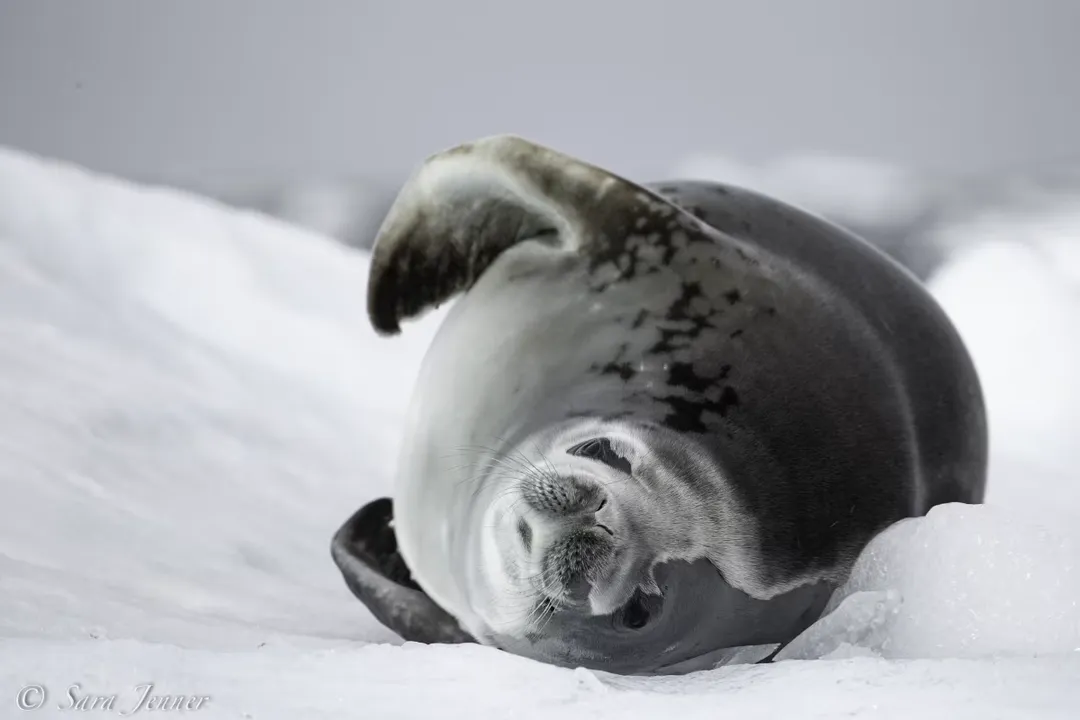
The interaction between killer whales, the ocean's apex predators, and the crabeater seal paints a stark picture of life in the Antarctic environment. It is a scenario that often captures the attention of wildlife documentarians and casual observers alike, showcasing some of the most dramatic and strategic behaviors in the marine world. [1][2][5] While the name might suggest a diet dominated by crabs, the crabeater seal's primary sustenance is, in fact, krill, making the occasional, yet significant, encounter with a pod of orcas a matter of life and death for the seal. [4]
# Prey Profile
The crabeater seal, Lobodon carcinophaga, is one of the most numerous large mammals on Earth, thriving across the vast expanse of the Antarctic ice pack. [4][9] They are relatively slender seals, sometimes reaching lengths of over two meters and weighing several hundred pounds. [4] Their existence is intricately tied to the sea ice, which serves as a crucial platform for resting, molting, and giving birth. [9] Despite their large numbers, they are certainly not immune to predation; in fact, predation pressure is a defining characteristic of their life cycle. [7]
The seal’s survival mechanism revolves around consuming massive quantities of Antarctic krill, sometimes consuming up to 15% of their body weight daily. [4] Their specialized, multi-cusped teeth are perfectly adapted for straining krill from the water, acting like a sieve—a dietary niche that sets them apart from other Antarctic seals that focus more on fish or squid. [4] This reliance on a smaller food source means that while they are plentiful, they are not inherently high-calorie targets compared to, say, a large Weddell seal or a smaller penguin colony, which brings interesting context to the orca's choice of pursuit. [3][6]
# Orca Tactics
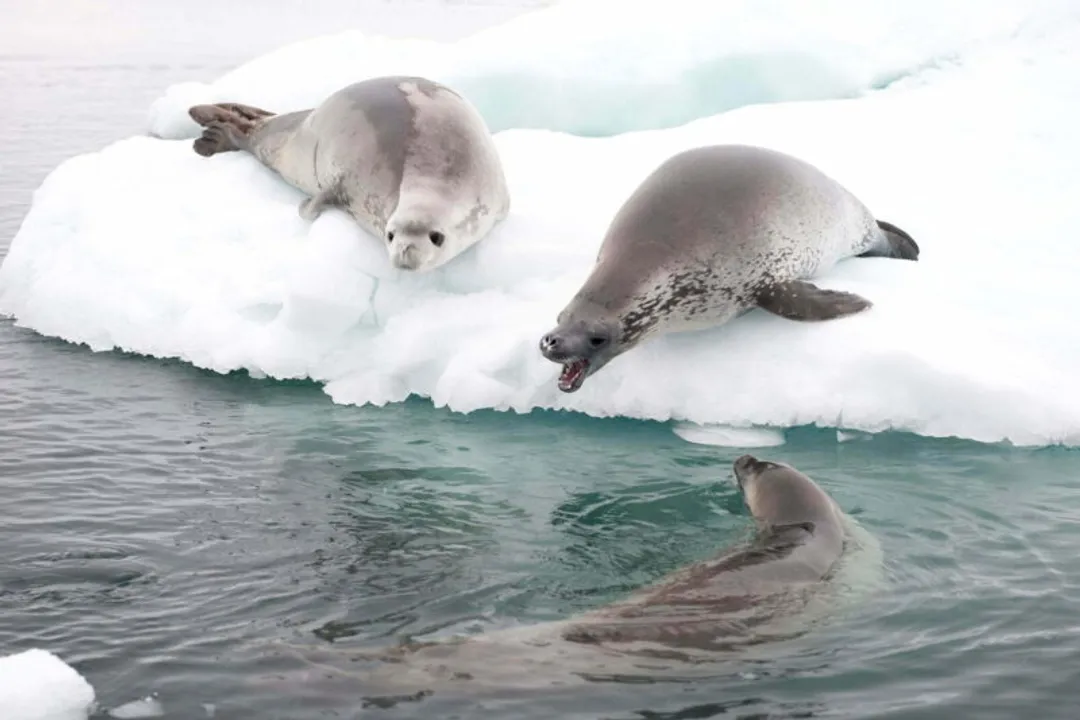
Killer whales, or orcas (Orcinus orca), are famous for their incredible intelligence, complex social structures, and highly specialized hunting techniques, which vary dramatically depending on the ecotype and geographic location. [1][5] When targeting crabeater seals, the orcas often rely on coordinated effort, particularly when the seal is isolated on a piece of floating ice. [1][2][3]
These predatory sequences are often described as extraordinary and sometimes ruthless in their execution. [2] One of the primary methods observed involves the pod working together to generate a massive wave. This is not a casual attempt; it is a calculated maneuver where several whales swim in unison, often diving and resurfacing rapidly, to create a powerful surge of water. [1][2] The goal of this wave is to wash the unsuspecting seal right off its icy perch and into the freezing water where the orcas have the decisive advantage. [1][2] This technique requires remarkable timing and coordination among the pod members, demonstrating a high degree of learned behavior passed down through generations. [1]
# Hunting Evidence
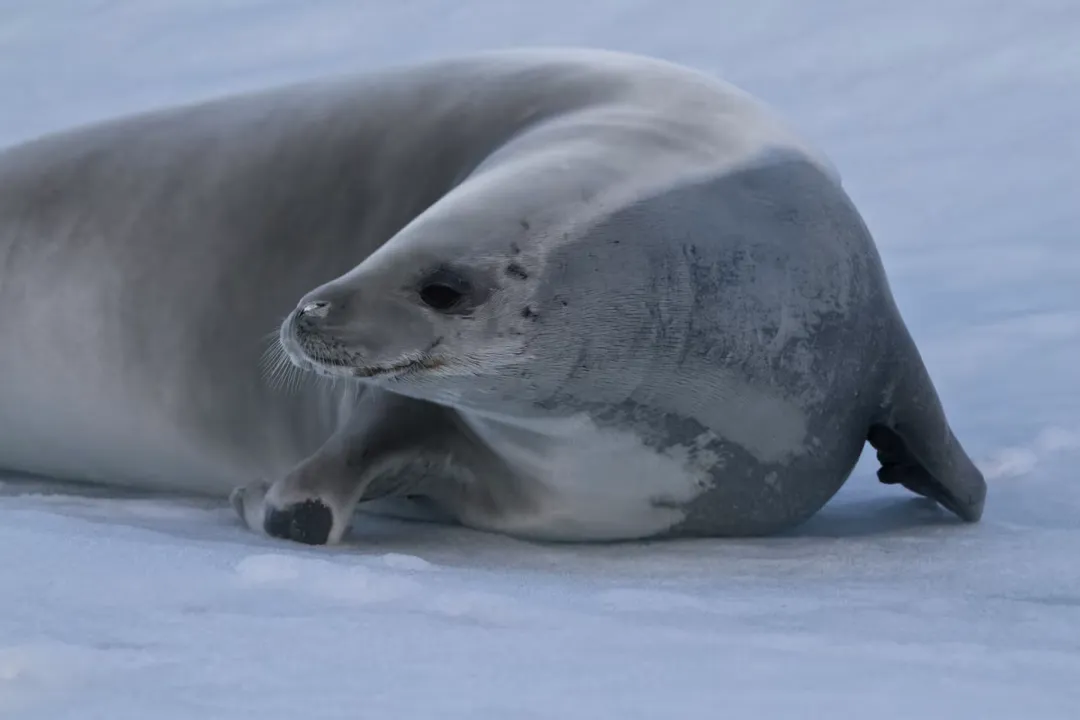
The evidence of these predatory events is often written directly onto the bodies of the survivors. Crabeater seals frequently bear the distinctive rake marks—long, parallel scars left by the teeth of an attacking orca. [7] These scars serve as a visible record of previous near-misses, indicating that encounters are common enough for the seals to accrue significant battle damage over their lifetimes. [7] A seal displaying numerous, healed rake marks tells a story of repeated evasion and sheer luck against one of the ocean's most formidable hunters. [7]
It is worth noting that observing these hunts is inherently difficult. The Antarctic environment is remote and often characterized by low visibility and vast distances, meaning that many successful hunts or near-misses go unwitnessed by human observers. [9] Therefore, the documented cases, often captured by specialized research teams or documentary crews, likely represent only a fraction of the actual predation that occurs throughout the year. [1][5] This lack of continuous monitoring means that we rely on specific, dramatic events to understand the full scope of this predator-prey relationship. [3]
# The Pursuit
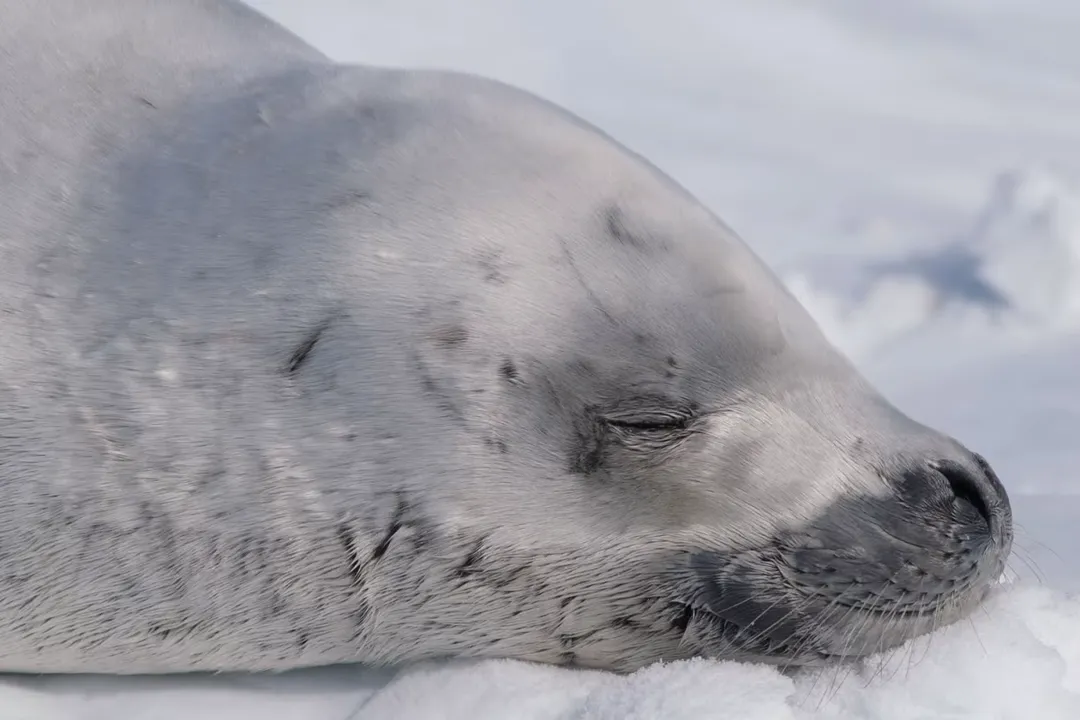
When a crabeater seal is spotted, the stalk can be tense and prolonged. In some documented instances, a pod has been observed methodically tracking a single seal, sometimes for an extended period, before initiating the coordinated attack. [3] This suggests a level of assessment—the orcas might be gauging the seal’s fitness or the feasibility of the attack based on ice conditions and the number of whales available for the wave action. [3]
If the seal is successfully knocked into the water, the dynamics immediately shift. While seals are agile swimmers, they are significantly slower and less maneuverable than an orca built for high-speed pursuit. [2] The ensuing chase is usually brief. The orcas may use their speed and agility in the open water to quickly isolate and subdue the seal. [6] The sheer power difference in the water column is immense, making the seal’s chances of escape minimal once dislodged from its platform. [1][6]
# Ecosystem Dynamics
The relationship between the orca and the crabeater seal is a classic example of top-down control in an Antarctic food web. While penguins, squid, and smaller fish are regular parts of the orca diet depending on the pod, the occasional targeting of crabeater seals helps regulate the seal population and potentially culls the less fit individuals. [4]
When we consider the caloric intake required to sustain a pod of highly active killer whales, an individual crabeater seal represents a decent, though not massive, meal compared to a large whale calf or a school of fatty fish. [4] The strategic value lies in the efficiency of the hunt; the wave technique, once perfected, offers a high probability of success with relatively low risk to the orcas themselves, especially when compared to confronting larger, more dangerous prey like a leopard seal or an adult elephant seal. From an energetic standpoint, focusing on seals when they are accessible on ice floes during certain times of the year becomes a relatively low-risk, moderate-reward strategy for the orca pod, filling necessary protein gaps between larger, more difficult food acquisitions. [4]
# Finality Encountered
The final moments of a predation event are rarely documented with clarity, often concluding quickly once the seal enters the water. [6] The primary documented takeaway for researchers and viewers is the method of extraction from the ice. [1][2] The seal's greatest asset, the ice platform, is instantly neutralized by the physics of the orca-generated wave.
For the seal population as a whole, this predation serves as a constant selective pressure. It favors seals that are quicker to spot danger, better at judging ice stability, or simply luckier in avoiding the attention of the large, black-and-white hunters moving silently beneath the floes. [7] The constant threat shapes their behavior, even if the direct attacks are infrequent events in their long lifespan. Every scar, every near-escape, reinforces the delicate balance of survival in the harshest marine habitat on the planet. [7]
#Videos
Watch a Crabeater Seal Evade a Pod of Hungry Orcas | Nat Geo Wild
Killer Whale's Extraordinary Hunting Technique | Frozen Planet II
Related Questions
#Citations
Watch a Crabeater Seal Evade a Pod of Hungry Orcas | Nat Geo Wild
These killer whales use extraordinary and ruthless methods to hunt ...
A pod of orcas stalking a crabeater and a Weddell seal taking refuge ...
Crabeater Seals - Antarctic and Southern Ocean Coalition
Six Facts About the Crabeater Seals of Antarctica