Can tapirs eat meat?
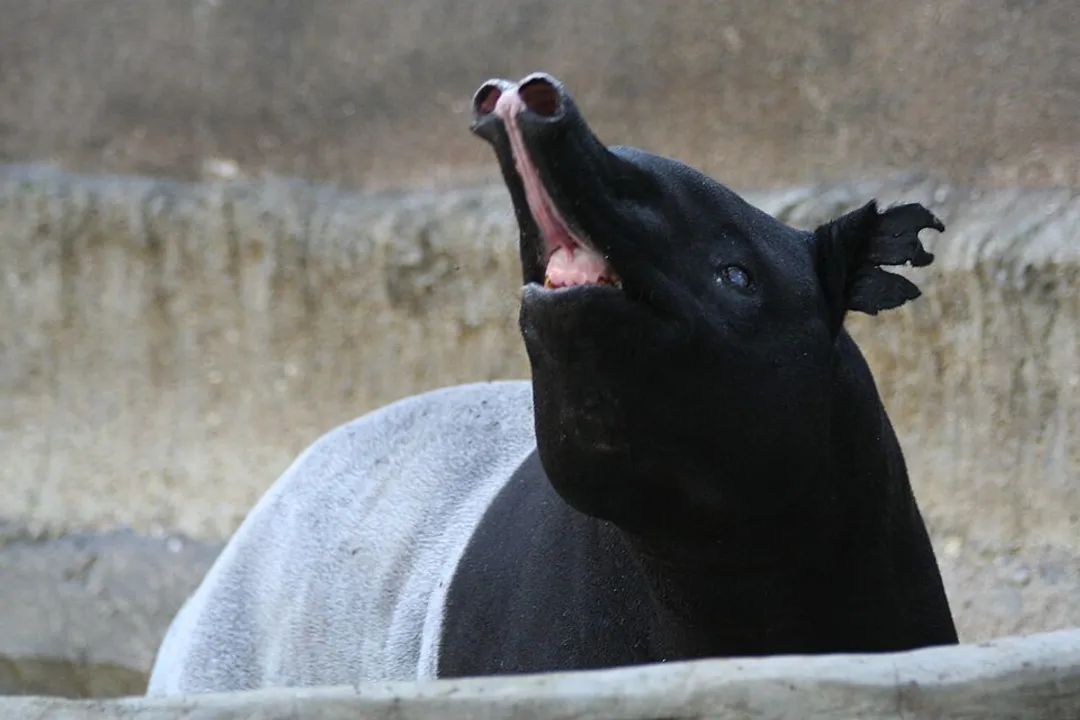
The five species of tapir, roaming the forests of Central and South America as well as Southeast Asia, are instantly recognizable due to their unique, fleshy snouts that resemble a small, flexible proboscis. Their appearance often sparks curiosity about their dietary habits, leading to the common query regarding their consumption of animal matter. However, the classification of these fascinating creatures places them firmly in the herbivore camp; they are specialized browsers whose entire physiology is tuned for processing tough, fibrous vegetation. [3][9]
# Herbivore Status
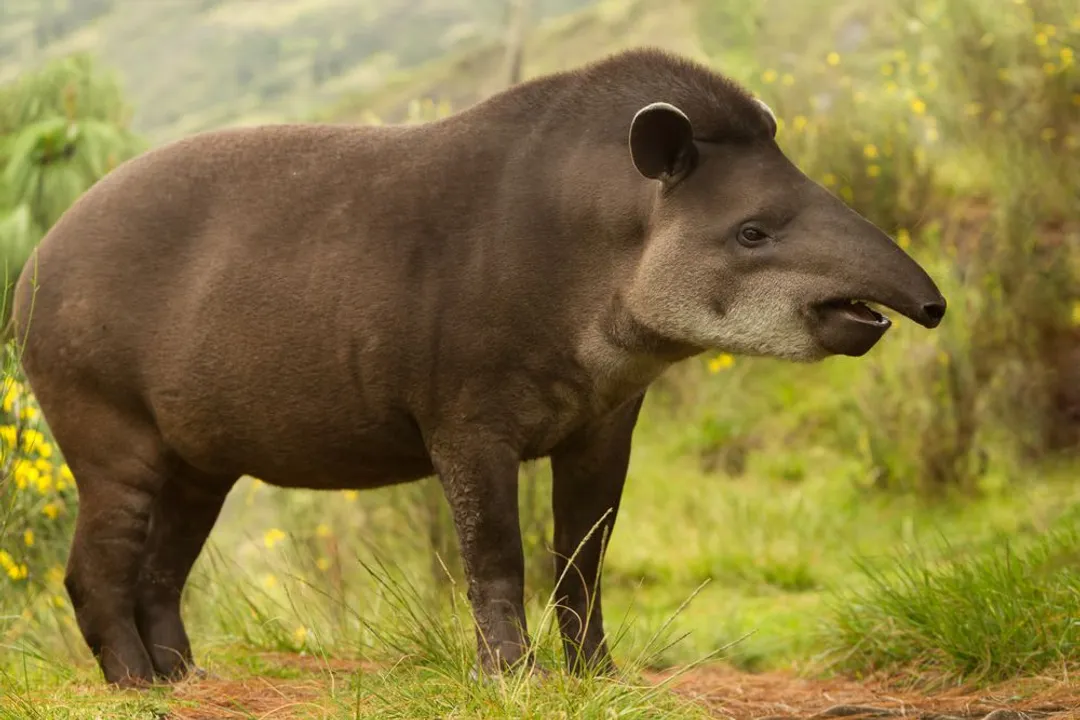
Tapirs belong to the order Perissodactyla, the odd-toed ungulates, a group that also includes horses and rhinoceroses. [3] This grouping immediately suggests a diet based on plant matter, as is characteristic of their closest relatives. While they are sometimes mistaken for pigs due to their body shape, their dental structure and digestive processes align them more closely with the grazing and browsing megafauna of the world. [3] The evidence across all known species points towards a strict reliance on foliage, fruits, and shoots for survival. [4][5][7]
# Primary Forage
The typical tapir’s menu is surprisingly varied for a non-ruminant herbivore, depending heavily on the local environment and the specific species inhabiting it. [9] They are known to consume a wide array of plant parts. Lowland Tapirs, for instance, are noted for eating aquatic plants, in addition to fruits, leaves, shoots, and twigs found on land. [9] Baird’s Tapirs share a similar appetite, feeding on leaves, shoots, fruits, and aquatic vegetation. [4] Even the high-altitude dwelling Mountain Tapir sustains itself on leaves, buds, shoots, twigs, and available fruit. [5]
This preference for browse material—the leaves, soft shoots, and fruits of trees and shrubs—distinguishes them from true grazers, which rely on grasses. [3] When considering the dietary needs of the five extant species, one can observe subtle ecological partitioning. For example, the dietary description for the Lowland Tapir highlights its comfort in marshy areas and its consumption of aquatic vegetation, suggesting a reliance on riparian habitats that might differ slightly from the drier browsing habits of other species. [9] This fine-tuning of where and what they eat allows multiple species to coexist in biodiverse regions without direct competition for every single food item. [4][5]
# Snout Function
A key piece of equipment in the tapir's feeding repertoire is that distinctive snout, or proboscis. [7] Far from being merely decorative, this prehensile nose is highly muscular and acts as a functional tool, allowing the animal to grasp and pluck leaves, twigs, and especially fruit with precision. [7] While a tapir might occasionally ingest a small insect or invertebrate incidentally while ripping foliage from a branch, this is not a targeted predatory behavior. [3] Their feeding strategy centers on stripping vegetation, using the snout to pull food directly into the mouth before grinding it down with their molars. [7]
# Digestive Setup
The anatomy of the tapir strongly precludes a carnivorous lifestyle. True carnivores, like cats or dogs, possess short digestive tracts optimized for quickly processing high-protein, high-fat meals and lack the necessary gut flora and organ structure for breaking down cellulose and complex carbohydrates found in large volumes of tough plant matter. [3]
Tapirs, conversely, function as hindgut fermenters, similar to horses. [3] They rely on a large cecum and colon to host symbiotic bacteria that break down tough plant fibers through fermentation, a slow but efficient process for extracting energy from cellulose. [3] If a tapir were to consume a diet rich in meat, this slow, fermentation-based digestive system would be poorly equipped to handle the high load of protein and fat, leading to severe digestive distress, if not outright starvation due to the inability to extract necessary nutrients from its specialized system. [3] This specialized anatomy acts as a powerful physiological barrier against adopting a meat-based diet.

# Market Foods
It is worth noting that while wild tapirs are herbivores, some species have historical, albeit sometimes problematic, interactions with human populations. For instance, the Danta, a species closely related to the Lowland Tapir, is recognized in the Slow Food Foundation’s Ark of Taste, indicating it is a traditional food source for certain local communities. [2] This confirms that tapirs are hunted and consumed by humans, but this fact does not change the biological reality that the tapir itself is not a predator. [2] In fact, the traditional consumption of tapir meat suggests a rich, fibrous diet that provides substantial caloric intake for those who hunt them, reflecting the energy stored from their plant-based life. [2]
Furthermore, observing anecdotal reports or speculative discussions can sometimes cloud the issue. While one might find casual mentions of animals consuming unusual items in non-scientific forums, such as the discussion about a domesticated tapir scenario, the established scientific consensus remains rooted in their herbivory. [6] The accidental consumption of a small piece of carrion or a ground-dwelling invertebrate remains a possibility in any large, indiscriminate browser, but it does not constitute a dietary pattern or a biological capability for predation. [3]
# Forest Gardeners
Ultimately, the tapir's ecological contribution stems directly from its herbivorous specialization. By consuming large quantities of fruits and foliage, and then traveling significant distances before defecating, tapirs act as vital seed dispersers throughout their habitats. [7] They are often described as "forest gardeners" because their feeding habits shape the composition and regeneration of the plant life around them. [7] An animal whose primary function is to move seeds across the landscape, like the tapir, cannot sustain that role without consuming the very fruits that carry those seeds. Their survival is intrinsically linked to the abundance of fresh, fibrous plant material, not the pursuit of prey. [9]
The low population density and solitary nature of many tapir species mean that finding and tracking prey would be an inefficient and energy-draining activity compared to simply browsing known fruit trees or patches of tender shoots. [4] Their slow, deliberate movement in the wild further reinforces their identity as dedicated browsers rather than active hunters. [3]
Related Questions
#Citations
15 Fascinating Tapir Facts | World Animal Protection
Tapir - Arca del Gusto - Slow Food Foundation
Tapir - Wikipedia
* Tapirs are large, herbivorous mammals belonging to the family ...
Malayan tapir - Asian Forest Sanctuary - Point Defiance Zoo
What would a domesticated tapir be like? : r/SpeculativeEvolution
8 Surprising Facts About Tapirs - Treehugger
Tapirus terrestris (Brazilian tapir) - Animal Diversity Web
Lowland Tapir | Tapir Specialist Group