Why is movement outside designated recovery boundaries risky for reintroduced toads?
Answer
Those areas lack the intensive management required for survival
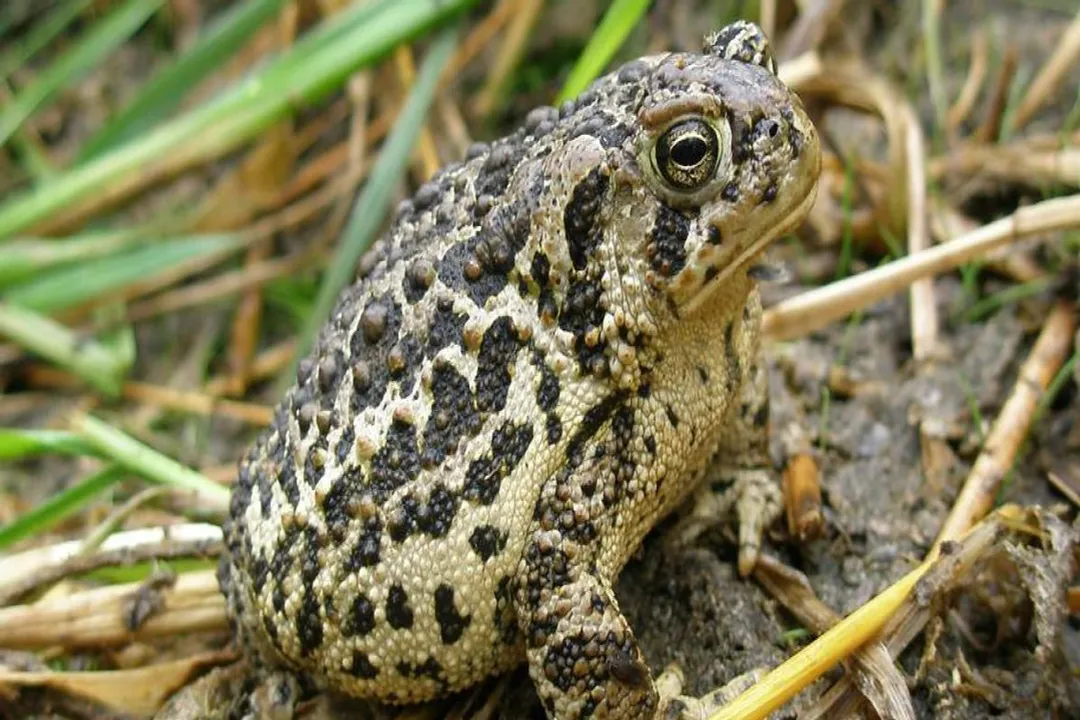
The Wyoming Toad's current survival is intrinsically linked to high levels of intervention. The designated recovery sites receive constant monitoring and site-specific treatment, including predator control and pathogen management. If a reintroduced toad moves beyond these carefully managed and treated boundaries, even to a temporary pool following a rain event, it enters an environment where these critical protective measures are absent. This lack of intensive, site-specific treatment exposes the toad immediately to unchecked threats like invasive predators or the amphibian chytrid fungus.
Related Questions
Where was the Wyoming Toad (*Anaxyrus baxteri*) historically concentrated?Which three sites define the active reintroduction efforts for the toad?What is the primary function of the *assurance colonies* maintained by zoological institutions?What specific amphibian pathogen has devastated wild Wyoming Toad populations?What critical requirement must breeding water bodies meet for Wyoming Toads?What term describes raising toadlets in zoos before releasing them to recovery areas?Why is movement outside designated recovery boundaries risky for reintroduced toads?What specific soil type is required for Wyoming Toads during non-breeding periods?Which project engages volunteers in tracking reintroduction success at sites like Trout Creek?What does sustained recruitment at Lake LaPrele signal about management success?Which specific zoological institution is named as participating in assurance colony efforts?