Wyoming Toad Facts
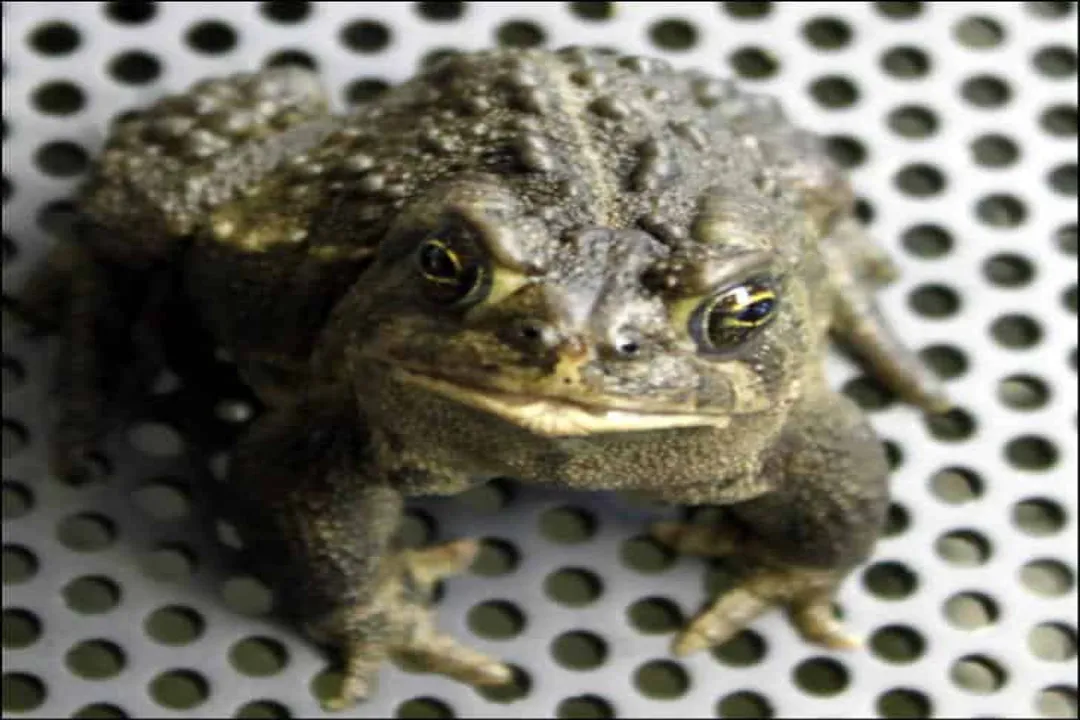
The Wyoming Toad (Anaxyrus baxteri) holds a somber place in North American conservation history, representing an animal driven to the very brink of existence. Once a relatively common sight within its limited territory, this toad is now famous precisely because it vanished from the wild. Officially classified as critically endangered, the survival of this species rests entirely on dedicated human intervention and careful management. Understanding the specifics of this toad—its habits, its historical home, and the intensive efforts to bring it back—offers a clear look at the challenges inherent in saving species teetering on the edge of extinction.
# The Amphibian's Name
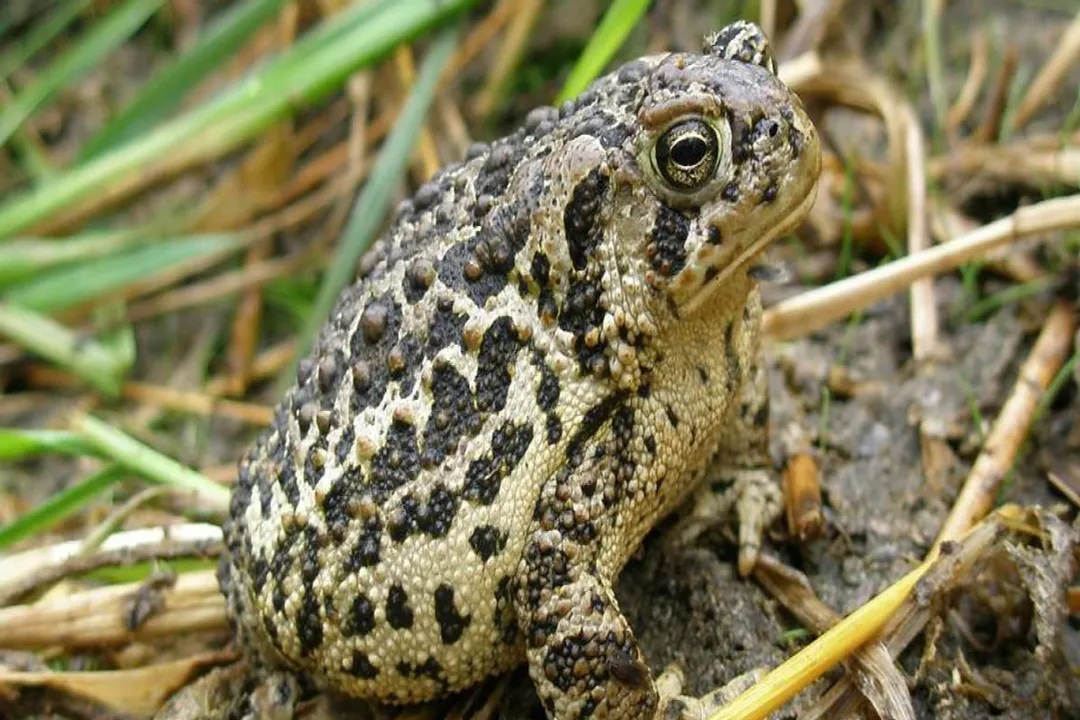
This toad shares its scientific classification, Anaxyrus baxteri, with a common name that clearly links it to its geographic origins. It is also known simply as Baxter's Toad. While many toads might share a general appearance, the Wyoming Toad is distinct, classified as a true toad genus Anaxyrus. Its presence in the wild was confined to an extremely small area in the world, making any decline or recovery efforts highly localized and intensely focused.
# Historical Range
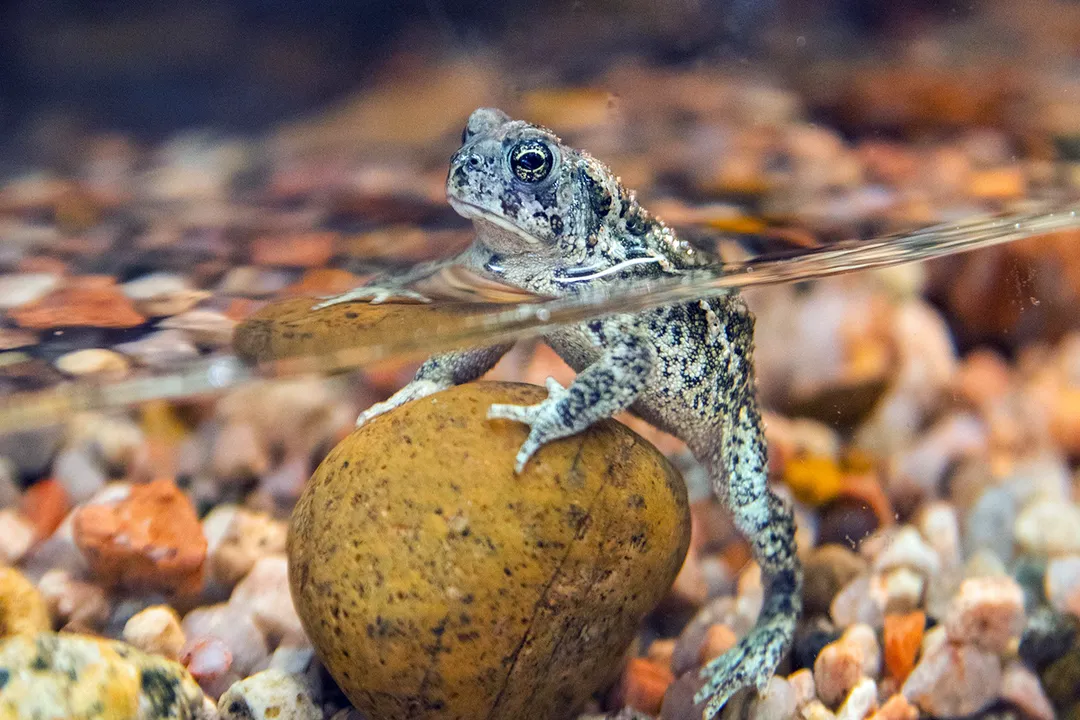
The natural, native habitat of the Wyoming Toad was incredibly specialized and restricted, encompassing only the extreme southeastern part of Wyoming. Specifically, the historical range was centered around the Laramie River drainage basin near the city of Laramie. This small area dictated a specific set of environmental conditions required for the toad to thrive.
The preferred landscape consisted of wet meadows, ephemeral ponds, and marshy areas. These habitats provided the necessary moisture and temporary water bodies essential for their reproductive cycle. When wild populations were last documented, they were found in these specific low-elevation, wet environments adjacent to the Laramie River system. The toad's specialization to this niche meant that any alteration to these delicate wetlands posed an outsized threat to the entire species.
# Appearance Details
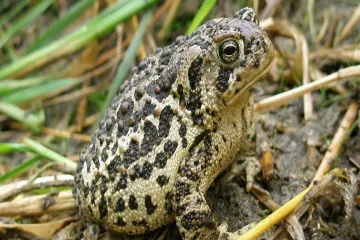
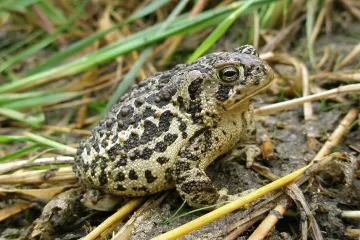
The Wyoming Toad is considered a medium-sized amphibian, typically measuring between 2 and 2.25 inches in length when fully grown. Its coloration serves as a natural form of camouflage within its grassy, muddy environment. The toad generally displays irregular, dark brown or black markings, which are often described as mottled or blotchy, set against a lighter base color that can range from tan or olive to gray.
One distinguishing feature noted by observers is the presence of distinct, dark spots located specifically on the upper forelimbs. Furthermore, many individuals possess a pale stripe running down the center of their back, providing a vertical break in the blotchy pattern. It is worth noting that color patterns among amphibians can vary based on substrate and temperature, but these markings provide the key identifiers used by biologists in the field.
# Life Cycle
Like many amphibians, the Wyoming Toad has a life cycle intrinsically linked to water for its earliest stages. Adult toads spend much of their time on land, but reproduction requires the availability of standing water. Females lay eggs in shallow water, and from these aquatic eggs hatch the larval stage—the tadpoles.
A crucial, and somewhat surprising, aspect of the Wyoming Toad's annual routine involves its long hibernation period. To survive the harsh, cold Wyoming winters, these toads burrow underground. They typically find shelter in burrows dug by other animals and remain submerged in the mud, awaiting warmer temperatures to emerge again. During their active months, they are carnivorous, sustaining themselves by consuming small invertebrates found in their meadow habitat, such as insects and spiders.
# The Vanishing Act
The decline of the Wyoming Toad was alarmingly rapid and severe. By the year 1991, the species was declared extinct in the wild, a catastrophic loss that has necessitated a complete reliance on captive populations for its continued existence. This sudden disappearance points toward a combination of intense pressures acting upon a species already constrained by a very small native range.
While sources point to habitat loss and degradation within the Laramie River system as major contributing factors, disease also played a devastating role. In the context of global amphibian declines, the presence of pathogens like the chytrid fungus is a recognized threat to many species. For a creature already vulnerable due to its extremely limited geography, the introduction of a potent disease agent can act as a final, overwhelming stressor leading to complete local extirpation. Understanding this rapid collapse is essential because it informs every decision made in the current recovery programs.
# Rebuilding Hope
The absolute failure of the wild population in 1991 triggered an immediate and intense international effort to prevent total species loss. This effort centers on captive breeding and headstarting programs. The Cheyenne Mountain Zoo (CMZ) has stood as a primary partner in this conservation strategy, maintaining a critical captive population since 1991.
This process is highly technical. Animals from the wild stock were secured to form the foundation of an assurance colony. Breeders work carefully to manage genetic diversity within this captive group, which is a constant challenge when dealing with populations derived from very few founders. The ultimate goal of this intensive care is not merely to keep the toads alive in zoos, but to produce healthy individuals capable of surviving and reproducing when released back into protected areas.
The reintroduction phase began in 1996, marking the start of a decades-long commitment to returning the toad to its native wetlands. This work involves releasing both captive-bred adults and "headstarted" young animals—those that have spent time growing in a controlled setting before release—into restored habitats.
One interesting analytical point derived from reviewing these conservation timelines is how the reintroduction strategy itself must evolve. Initially, the focus was simply on release; now, after years of monitoring, conservationists have a much clearer picture of the specific microhabitat requirements for successful juvenile survival, which informs how they prepare and manage release sites. It took years of trial and error—and significant investment—to move from simply having toads in captivity to successfully establishing them in the wild again. The success of these efforts is a direct measure of scientific expertise and long-term dedication to amphibian recovery.
# Checking Progress
Recovery efforts are not passive; they require continuous, diligent monitoring of the reintroduced populations. Teams of biologists and volunteers work to track the toads, assess their survival rates, and confirm reproductive success in the wild. This monitoring often involves using techniques to locate individuals and evaluate the health of the ecosystem they inhabit.
Efforts related to the Wyoming Toad conservation are often tied into broader community science or monitoring initiatives, such as the Rocky Mountain Amphibian Project, which helps gather crucial data across the landscape. When reintroduction sites are chosen, they must first undergo intensive habitat restoration to ensure that the conditions that led to the toad’s disappearance are corrected. This restoration often involves managing water levels and ensuring the availability of appropriate hibernation substrate.
To gauge the true success of these rigorous programs, scientists look for the establishment of self-sustaining populations—groups that can reproduce and persist in the wild without constant human supplementation. While significant progress has been made in establishing the species outside of its original core area, returning the toad to its native Laramie Basin remains a primary focus, despite the inherent difficulties posed by historical habitat changes in that specific locale. The species' future remains highly dependent on ongoing management and protection of these reintroduced sites.
Related Questions
#Citations
Meet the Wyoming Toad | U.S. Department of the Interior
Wyoming toad - Wikipedia
Wyoming Toad | National Mississippi River Museum & Aquarium
Wyoming Toad Conservation - CMZoo
Wyoming Toad - Biodiversity Institute
Wyoming Toad | Wyoming Game & Fish Department - Wyo.Gov
(species) anaxyrus baxteri - WY Field Guide
Wyoming Toad - Anaxyrus Baxteri - A-Z Animals
Anaxyrus baxteri | NatureServe Explorer