By what year were the last known wild individuals of the Wyoming toad observed, resulting in functional extinction in its native environment?
Answer
1991
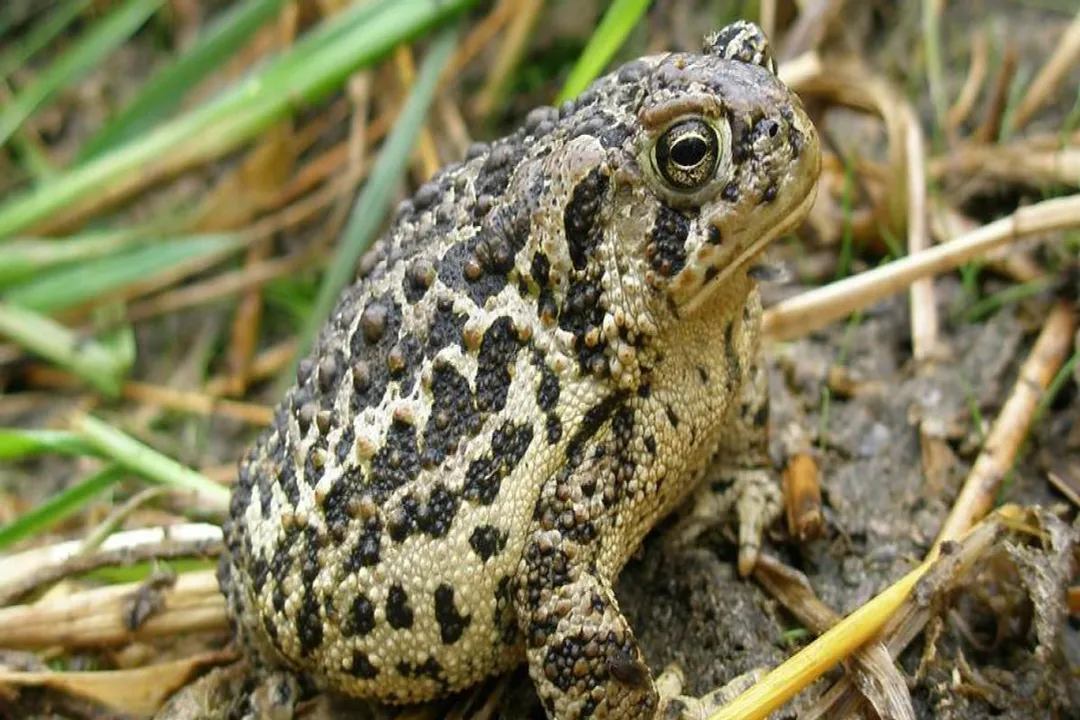
The decline of the Wyoming toad population was swift and catastrophic, driven by intense environmental pressures in the late 20th century. Sources indicate that the population crashed alarmingly throughout the late 1980s due to factors like agricultural wetland drainage and habitat alteration. This downward trend culminated in the final observation of wild individuals in the year 1991. Following this date, the species was considered functionally extinct in its native habitat, leaving only captive stock as the genetic reservoir for the species, necessitating a transition to intensive ex-situ conservation management.
Related Questions
What characteristic essential for larval development did the Wyoming toad rely on in the Laramie Basin?By what year were the last known wild individuals of the Wyoming toad observed, resulting in functional extinction in its native environment?What specific range of adult length, in inches, is characteristic of the physical description of the Wyoming toad?What crucial genetic management consideration presents an inherent tension for recovery teams managing the captive Wyoming toad stock?Which two specific zoos were mentioned as centers taking on the responsibility of maintaining a genetically viable population of the Wyoming toad in captivity?What process replaced natural selection in the captive breeding programs aimed at preserving the Wyoming toad?What taxonomic classification issue sometimes complicates the federal endangered status of *Anaxyrus baxteri*?What is the specific historical geographic area, near the city of Laramie, to which the Wyoming toad is endemic?What was the stated ultimate objective for initiating the Wyoming toad captive breeding programs, which commenced with releases in 1995?Which combination of environmental factors primarily drove the catastrophic population crash of the Wyoming toad in the late 1980s?