Wyoming Toad Evolution
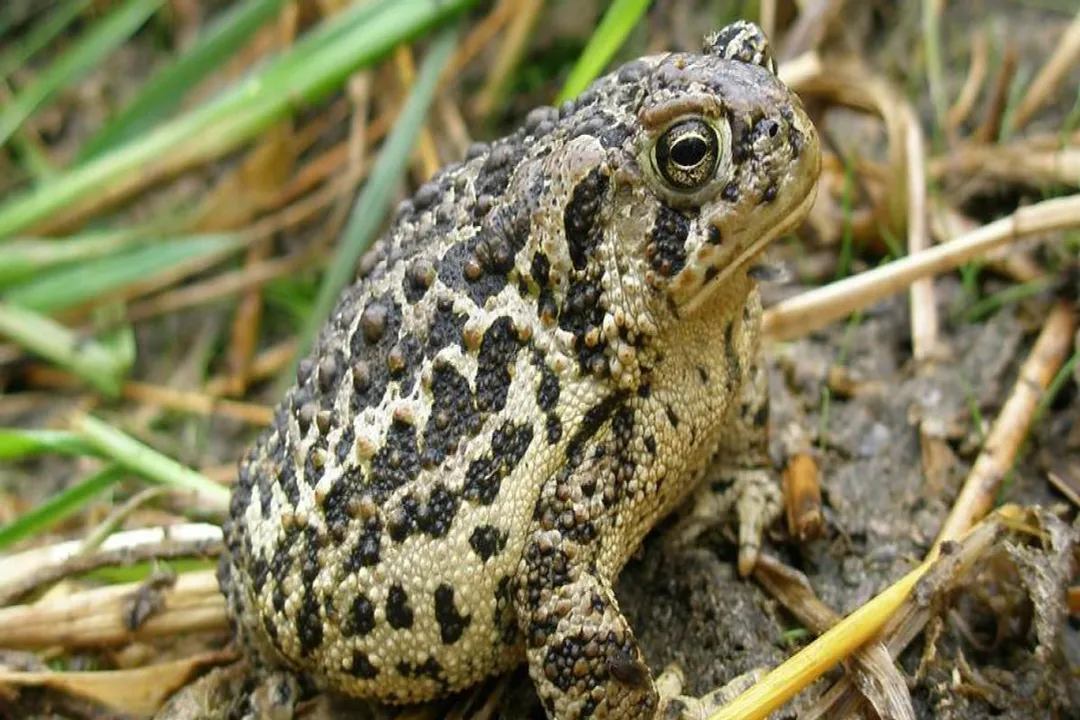
The Wyoming toad, Anaxyrus baxteri, represents one of North America’s most intense conservation stories, a tiny amphibian pushed to the very brink of existence before concentrated human intervention pulled it back. [1][5] This particular species of toad is a biological rarity, endemic to a remarkably small area of southeastern Wyoming, near the city of Laramie. [1][3][7] Its story is less about the deep geological timescale of typical evolution and more about the rapid, catastrophic evolutionary bottleneck imposed by rapid environmental change in the late 20th century. [1][10] To understand its modern status is to understand the delicate balance of specialized evolution colliding with anthropocentric impacts.
# Identity and Form
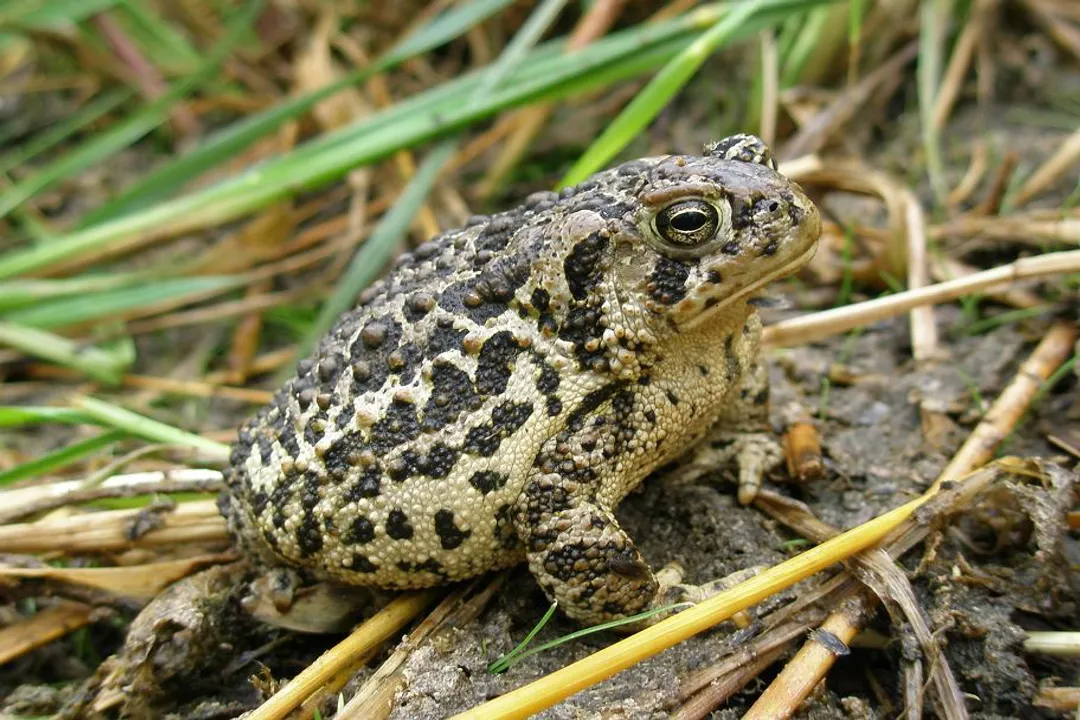
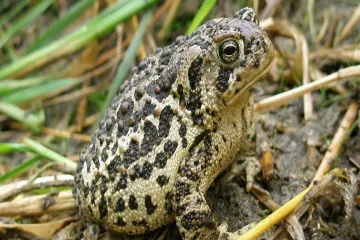
As a member of the genus Anaxyrus, the Wyoming toad shares traits with other true toads but possesses characteristics that set it apart genetically and physically. [4][7] Adults are relatively small, often measuring between 2 to 2.25 inches in length. [3][7] Their coloration tends to be grayish-brown or olive, sometimes with darker blotches, featuring the characteristic warty skin typical of its family. [3][7] Females are usually slightly larger than males. [3] Biologically, the distinction is critical: A. baxteri is recognized as a distinct species, though sometimes this classification is debated or treated as a subspecies of the Western Toad (Anaxyrus boreas), making its conservation status—federally endangered—a matter of precise taxonomic agreement. [1][4][5]
# Specialized Niche
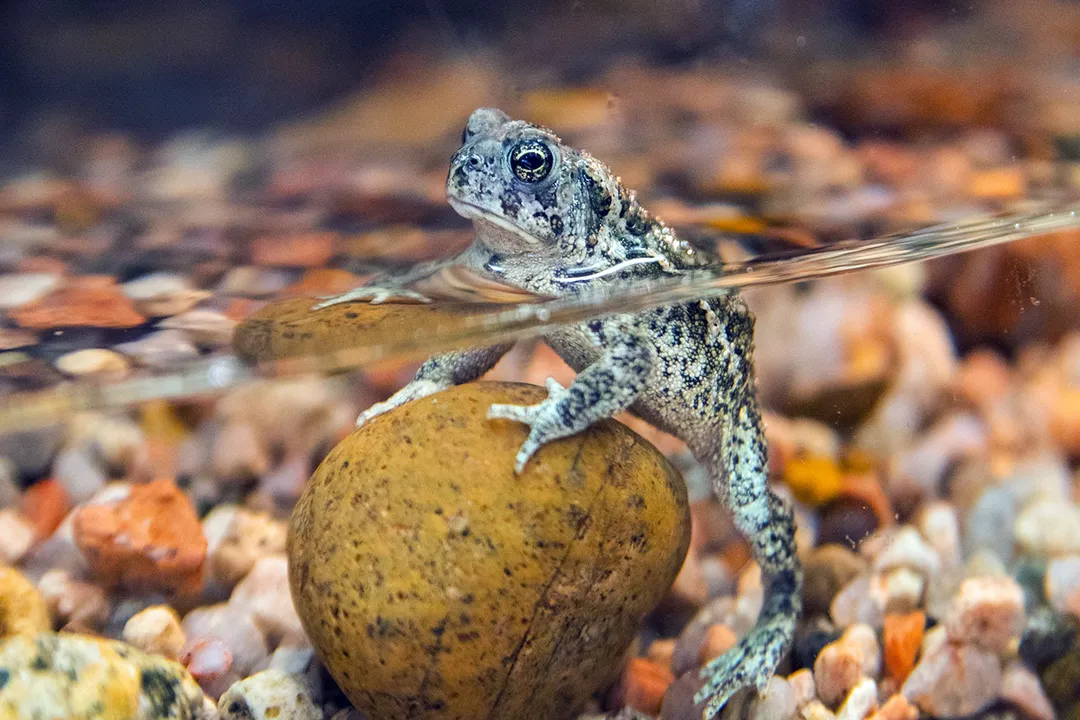
The evolutionary history that resulted in the Wyoming toad is inextricably linked to its incredibly restricted habitat—a classic case of specialization leading to vulnerability. [1][7] Historically, the toad occupied only about 100 square miles in the Laramie Basin, specifically favoring sand prairies and sagebrush flats interspersed with ephemeral wetlands and temporary ponds. [1][7] These shallow, temporary water bodies are essential for breeding, as the toads require them to complete their larval development. [1][5] This tight ecological coupling—needing specific soil types, vegetation, and hydroperiods—meant that any significant alteration to the Laramie Basin’s landscape or hydrology would disproportionately impact the species. [7] Unlike more generalized species that can adapt their habitat use, the Wyoming toad’s evolutionary path locked it into a very narrow set of environmental prerequisites. [1]
# Disappearance Event
By the late 1980s, the population had crashed with alarming speed. [1][5] The combination of wetland drainage for agriculture and development, coupled with predation and likely the emergence of pathogens like the amphibian chytrid fungus (though sources focus more broadly on population decline factors) led to disaster. [1][5][10] By 1991, the last known wild individuals were observed, marking the species as functionally extinct in its native environment. [1][5][10] This event was a stark demonstration of how quickly a highly adapted, endemic species can be removed from the gene pool when its specialized requirements are no longer met. [1] The scientific community was left with only captive stock to study and preserve the remnants of its unique genetic heritage. [6]
# Captive Refuge
The survival of the Wyoming toad transitioned entirely to managed care, beginning a critical phase of ex-situ conservation. [6][9] Zoos and conservation centers, including the Cheyenne Mountain Zoo and the Kansas City Zoo, took on the immense responsibility of maintaining a genetically viable population. [6][9] This involved careful management to mimic natural breeding conditions and select pairings that maximized genetic heterozygosity within the small founding population. [6] The focus shifted from natural selection to assisted evolution through careful husbandry, ensuring that the essential building blocks of the species—its ability to metamorphose, breed, and survive Wyoming's harsh climate—were not lost forever. [9] These efforts represent a deliberate, high-stakes attempt to counter the extinction trajectory driven by natural and unnatural pressures. [6]
# The New Selection
The ultimate goal of these captive efforts is successful reintroduction, which began with initial releases in 1995. [1][10] Releasing captive-reared animals back into the wild introduces a fascinating layer of modern selection. The individuals released are genetically descended from the last few wild survivors, but their upbringing in captivity, followed by release into an environment that may have changed (e.g., different levels of water contamination, shifted vegetation, or the presence of disease reservoirs) means they face new hurdles. [10]
The modern Wyoming toad populations surviving in areas like the Preserve in Laramie County face selective pressures fundamentally different from those that shaped their ancestors over millennia. Where historical evolution favored traits suited to specific soil permeability and seasonal flooding, today's survivors must possess or quickly develop resistance to contemporary threats, such as novel pathogens or altered temperature regimes associated with climate variation. [10] This recovery phase is not simply a reset; it is a high-stakes evolutionary experiment where management dictates the initial selective landscape. [1] For instance, we can observe that the success rate of early reintroduction cohorts was highly variable, suggesting that the ability to thrive in the wild is not simply a matter of being genetically Wyoming Toad, but being genetically prepared for the specific stresses of a post-bottleneck ecosystem. [10]
# Managing Genetic Futures
The ongoing recovery of the Wyoming toad highlights a delicate balance in conservation genetics, a concept that must be constantly navigated by recovery teams. [9] The captive population, while a lifeline, exists in an artificial environment that can inadvertently promote inbreeding or select for traits favorable in a zoo setting rather than the rugged Laramie Basin. [6] Therefore, active management involves ensuring broad genetic representation across breeding facilities. [9]
When we consider the long-term viability, a critical management consideration emerges: how aggressively should breeders select for disease tolerance versus overall genetic breadth? While selecting for individuals that have shown higher survival rates following exposure to common captive stressors might seem logical, an overly narrow focus risks creating a genetically monolithic population highly susceptible to a single, future, unforeseen threat. A savvy conservation program must maintain a broad genetic base, even if some lines appear less "successful" in a controlled breeding scenario, because that diversity holds the future adaptive potential against unknown environmental shifts. [6] This inherent tension—diversity versus immediate fitness in a controlled setting—is a constant challenge when trying to engineer an evolutionary comeback for a species with such a narrow historical context. [9] The success seen in recovery areas, where populations persist, suggests that the founding stock, combined with careful release strategies, possessed enough latent adaptability to cope with the restored landscape. [1]
Related Questions
#Citations
Wyoming toad - Wikipedia
Wyoming Toads | National Mississippi River Museum & Aquarium
Meet the Wyoming Toad | U.S. Department of the Interior
Anaxyrus baxteri - AmphibiaWeb
Wyoming Toad | Wyoming Game & Fish Department - Wyo.Gov
Wyoming Toad Conservation - CMZoo
(species) anaxyrus baxteri - WY Field Guide
Wyoming Toad Reintroduction and Field Survey Program | Kansas ...
[PDF] Wyoming toads and cattle - U.S. Fish and Wildlife Service
Population and habitat viability assessment for the Wyoming toad ...