Wyoming Toad Locations
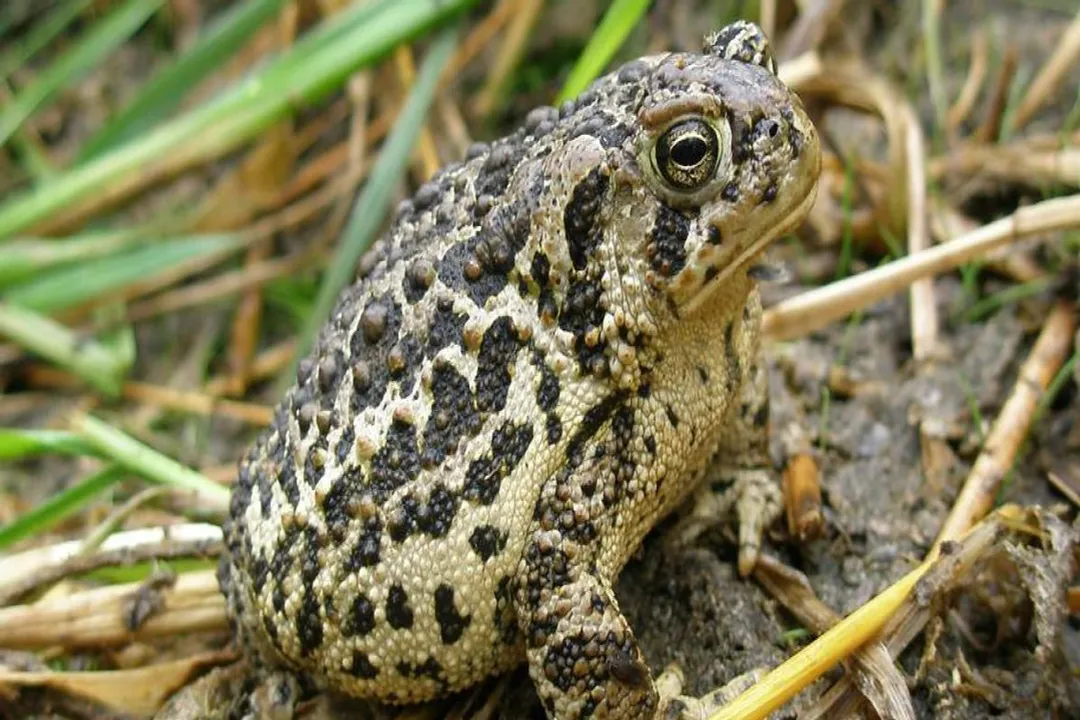
The Wyoming Toad, Anaxyrus baxteri, represents one of North America's most imperiled amphibians, clinging to existence through intensive conservation efforts centered in a very specific corner of the American West. Finding this toad is not a matter of simply walking through various wetlands across the state; its known locations today are highly managed and specific sites within its historic range. This tiny amphibian, once facing total extinction in the wild, now exists due to a combination of captive breeding and meticulous reintroduction programs focused on a handful of protected areas.
# Historic Range
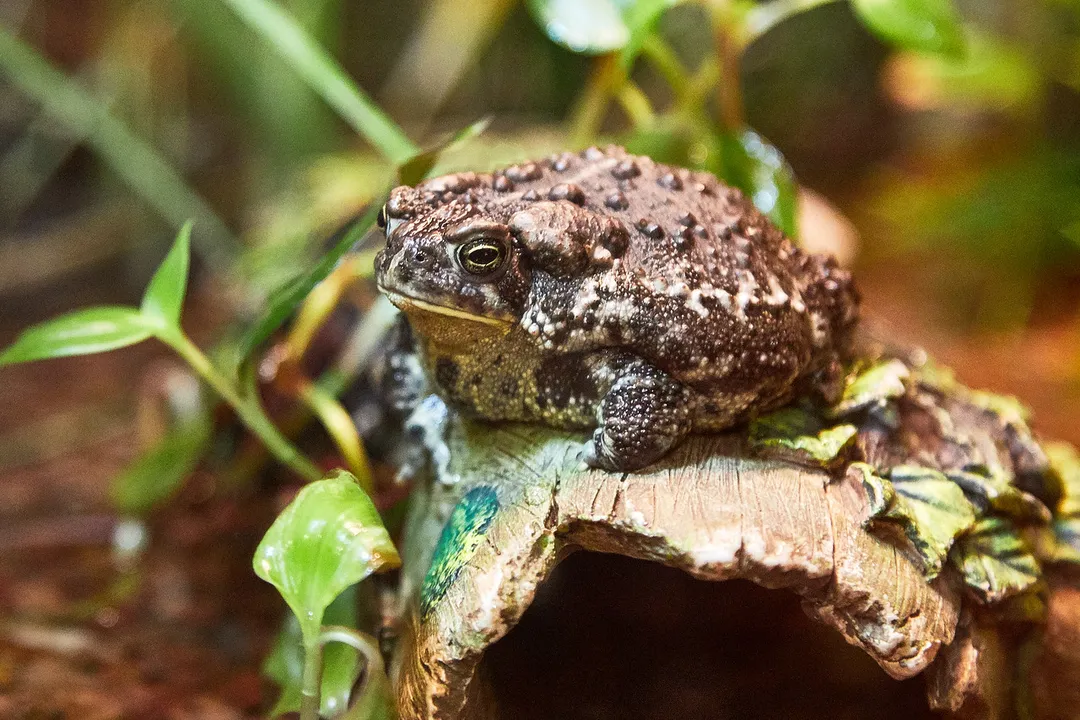
Historically, the Wyoming Toad occupied a limited area in southeastern Wyoming, concentrated almost entirely within the Laramie Basin. This basin provided the necessary combination of features—sandy substrates, suitable soil, and specific hydrological conditions—that supported the species. The toad's known historical distribution was quite narrow, making it inherently vulnerable to localized environmental changes or disease outbreaks. Before its decline, the toad could be found across several locations within this basin, but it was never known to inhabit areas outside of this relatively small geographic area.
# Current Locations
Today, the presence of the Wyoming Toad is defined by recovery areas established to support both wild and reintroduced populations. These sites are not vast, open habitats, but rather carefully monitored parcels of land within the historical Laramie Basin boundary. The primary locations involved in the active reintroduction and management efforts are centered around Trout Creek, Lake LaPrele, and the Morton National Wildlife Refuge. These sites are monitored closely, often involving partners like the Wyoming Game and Fish Department and the U.S. Fish and Wildlife Service.
It is important to understand that the definition of a "location" for this species has shifted from broad historical occupancy to intensely managed release sites. Success in these locations hinges not just on the presence of water, but on the management of factors like invasive predators and diseases, particularly the amphibian chytrid fungus, which has devastated wild populations. If a reintroduced toad moves too far outside the designated, treated boundaries of these core areas—perhaps following a large rain event to a temporary pool—it enters an area lacking the intensive management required for its survival today. This high dependency on site-specific treatment explains why current efforts are hyper-focused on these few known areas rather than broader habitat restoration across the entire historical basin.
# Assurance Colonies
Complementing the recovery sites in Wyoming are the assurance colonies maintained by various zoological institutions. These facilities hold captive breeding populations, acting as a safeguard against catastrophic loss in the wild populations. Facilities like the Cheyenne Mountain Zoo participate in these critical efforts, raising toadlets through a process often called "head-starting" before they are deemed ready for release back into the designated Wyoming recovery areas. These zoos are essential partners, ensuring genetic diversity is maintained while their young are given a significant head start against early-life mortality risks. While the zoos themselves are locations where the toads exist, their primary function is to supply the wild recovery locations.
# Habitat Specifics
While the specific geographic coordinates are highly sensitive due to the species' precarious status, the underlying habitat requirements at these locations remain consistent with the toad’s needs when it was more widespread. Wyoming Toads are typically associated with semi-arid grasslands that feature a mosaic of microhabitats. They require well-drained, sandy soils for burrowing, particularly during the non-breeding season or periods of drought. Crucially, breeding occurs in permanent or semi-permanent water bodies, such as ponds or stock tanks, which must be free from aggressive non-native fish.
The combination of these factors is a narrow niche. One can examine historical environmental data related to the Laramie Basin—perhaps looking at paleoclimatic records or older soil surveys—to see how subtle shifts in water availability or vegetation structure over the last century may have naturally contracted the available space even before the impacts of chytridiomycosis and disease became a factor. The current recovery locations attempt to recreate that precise balance, often requiring ongoing hydrological management to maintain water levels suitable for breeding during the short Wyoming summer.
# Monitoring and Future Locations
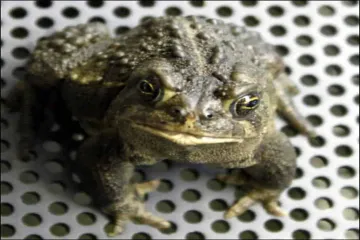
Monitoring in the established recovery sites is constant, often involving community science initiatives alongside professional biologists. Projects like the Rocky Mountain Amphibian Project engage volunteers in monitoring efforts, which aids in tracking the success of reintroductions at places like Trout Creek. Researchers use data gathered from these sites to refine management practices before considering expansion to new locations.
The success of reintroduction at the primary sites serves as the blueprint for any future expansion. For instance, if Lake LaPrele shows sustained recruitment—meaning young toads survive to breed and produce offspring that also survive—it signals that the site-specific habitat management (predator control, water management, fungicide application) is working effectively. Until such sustained success is documented across all current targets, the addition of new distinct geographic locations outside the current core management areas is unlikely. The current focus remains on density and self-sustainability within the known boundaries of Trout Creek, Lake LaPrele, and the Morton NWR vicinity, rather than breadth across the entire historical basin.
For those interested in the scientific underpinning of these recovery sites, publications such as those indexed through the USGS staff repository often detail the specific methodologies used to prepare these areas—information that speaks volumes about the technical commitment required at each location. This level of intervention, from captive-reared release to pathogen monitoring, differentiates these specific ponds and meadows from any other wetland in Wyoming.
Related Questions
#Citations
Wyoming Toad | Wyoming Game & Fish Department - Wyo.Gov
Meet the Wyoming Toad | U.S. Department of the Interior
Species Profile for Wyoming Toad(Anaxyrus baxteri) - ECOS
Wyoming Toad - Biodiversity Institute
Wyoming Toads | National Mississippi River Museum & Aquarium
(species) anaxyrus baxteri - WY Field Guide
Featured Animals - Wyoming Toad - CMZoo
Wyoming Toad (Bufo baxteri) - UNL Digital Commons
[PDF] Interim Core Map Documentation for Wyoming Toad - EPA