Wyoming Toad Physical Characteristics
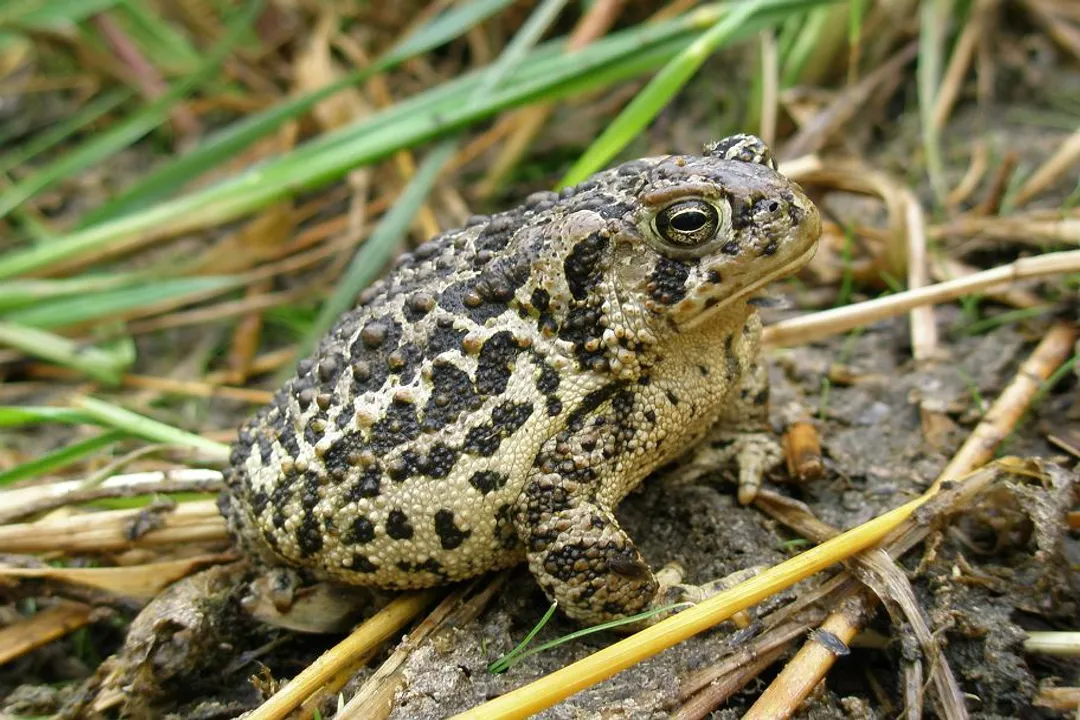
The Wyoming Toad, Anaxyrus baxteri, represents a unique piece of American herpetology, recognized largely due to its critically imperiled status and its restricted native range within southeastern Wyoming. [1][3][8] Understanding its physical presentation is paramount for accurate identification in the field and for conservation monitoring efforts targeting the handful of remaining wild populations and extensive captive-bred releases. [2][5] This species is a medium-sized amphibian, though "medium" must be contextualized within the world of toads. [1] Adult specimens typically measure between 2 and 2.5 inches, or approximately 5 to 6.3 centimeters, from snout to vent. [1][2][5][6][8] Sexual dimorphism in size is not strongly emphasized in general descriptions, meaning both males and females generally fall within this established size bracket. [1]
# Body Dimensions
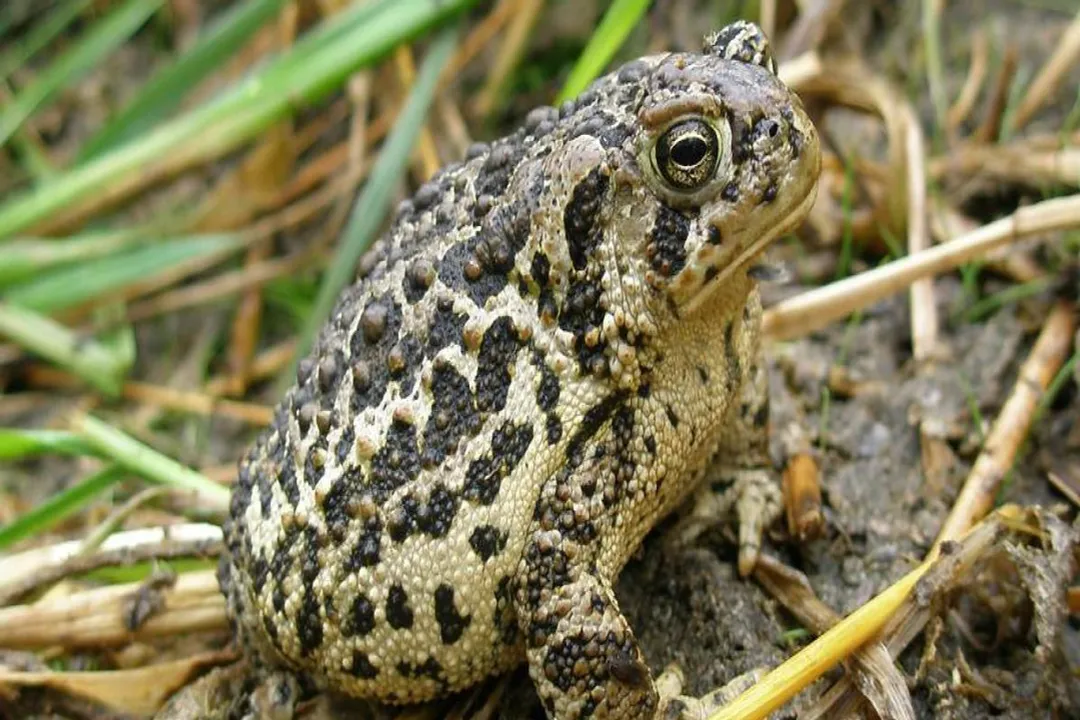
The overall body shape of the Wyoming Toad is characteristically stout, possessing the classic, somewhat flattened appearance associated with true toads, rather than the sleek profile of many true frogs. [4] Its skin texture is notably bumpy or warty, which can vary in the prominence of these tubercules across the dorsal surface. [4][5] While it is a toad, its skin does not always appear as heavily textured as some other Anaxyrus species, which can sometimes lead to confusion in quick visual assessments. [1] The snout tends to be relatively short when viewed from above. [8]
# Color Markings
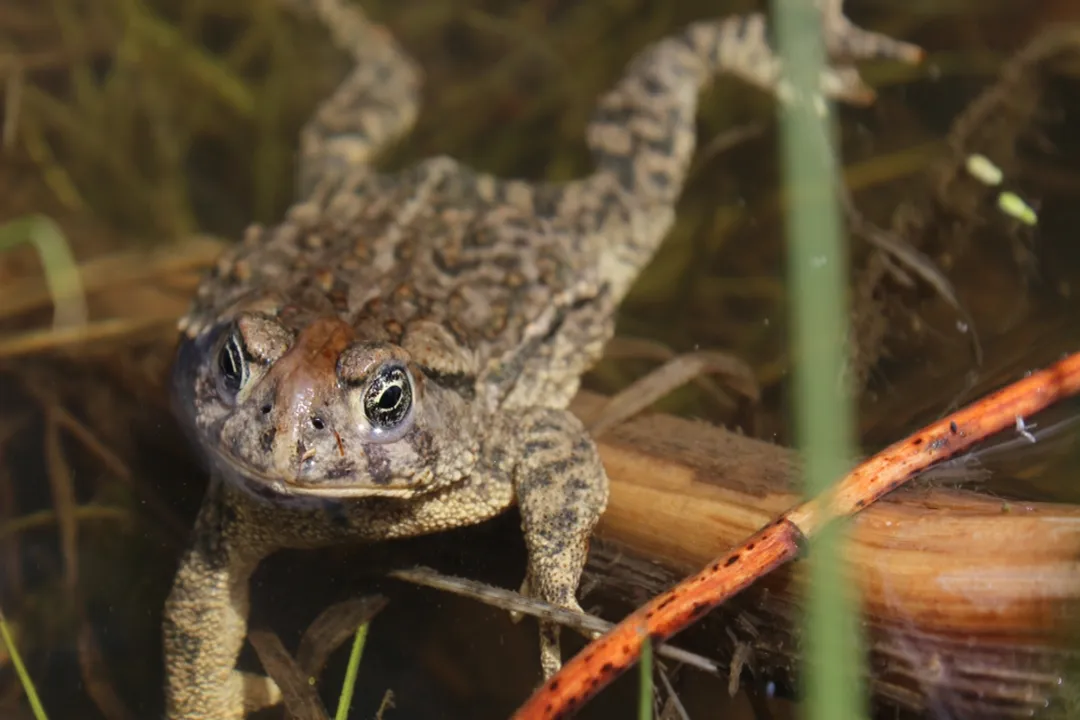
Coloration serves as an important, yet sometimes variable, identifier for the Wyoming Toad. The typical background hue ranges across shades of brown, tan, or olive-gray. [1][4][6][8] This muted palette offers excellent camouflage within the often dry or seasonally wet, muddy banks and meadows where they reside. [1]
The most striking visual feature, beyond the general shape, involves the dorsal markings. The back is patterned with dark, irregular spots or blotches. [1][2][5][6] These markings are usually dark brown or black, contrasting clearly against the lighter base color. [5] The number, shape, and exact placement of these blotches are not uniform; they are irregular and sometimes coalesce, meaning one toad might have large, merged patches, while another might exhibit more distinct, smaller spots. [1]
For field identification, observers often look for these dark spots to be arranged roughly in two somewhat symmetrical rows running down the back. [5] If one encounters a toad whose dorsal spots are widely spaced, almost forming four distinct rows down the back, that specific pattern alignment, combined with the presence of other key features, serves as a critical field diagnostic point, especially when coloration is muted by recent rains or soil type. The underside, or belly, is generally lighter, sometimes whitish or pale gray, and often lacks significant patterning. [8]
# Crest Distinctions
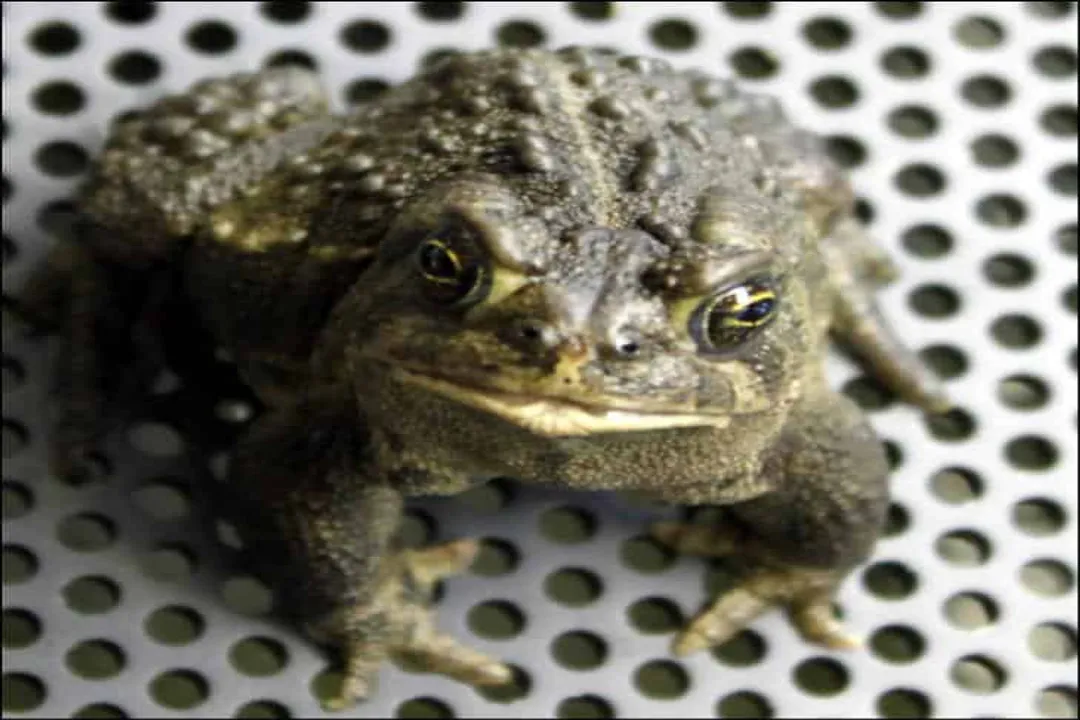
Perhaps the most reliable characteristic for differentiating the Wyoming Toad from its close relative, the Western Toad (Anaxyrus boreas), lies in the structures of the head. [1][2] The Wyoming Toad possesses prominent, raised bony ridges located between the eyes; these are known as cranial crests. [1][2][4][8] These crests are quite distinct and robust on adult toads. [2]
In many toad species, these crests are either absent or very subtle, but in A. baxteri, they stand out significantly. [1][8] Furthermore, the tympanum—the eardrum located behind the eye—is typically smaller in the Wyoming Toad compared to the Western Toad, although this measurement requires careful examination. [1] The presence of well-developed cranial crests, coupled with the restricted geography, often confirms the identity, even if the color pattern is ambiguous. [2][4]
# Texture Variability
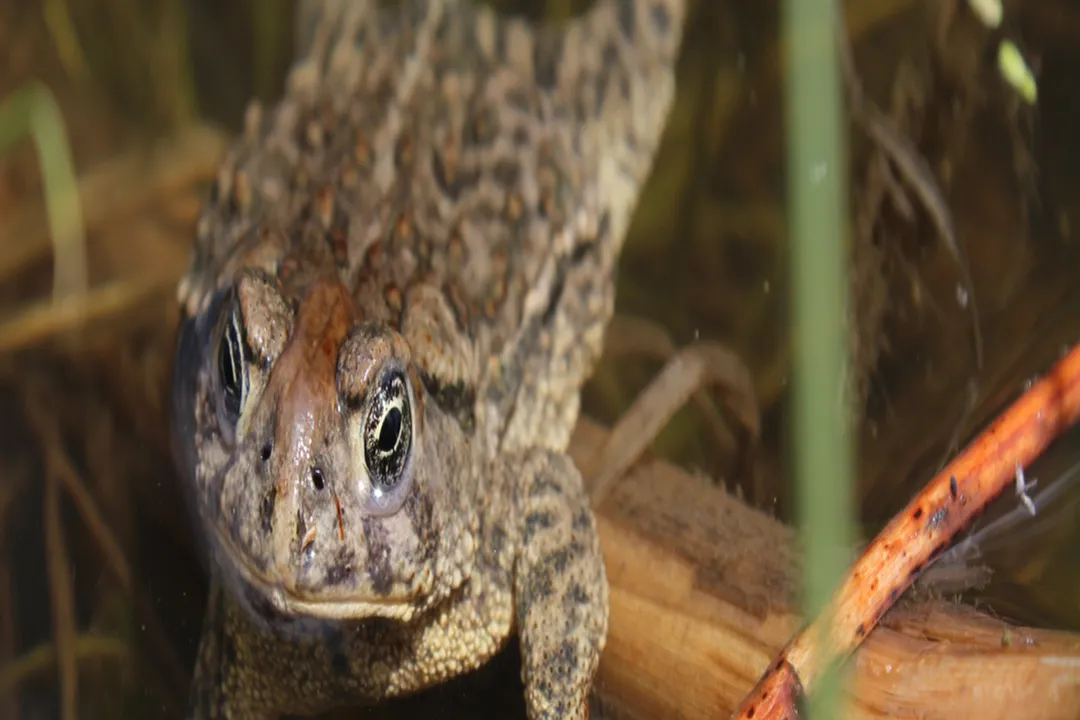
While the skin is generally described as warty, the degree of wartiness can change based on the toad's recent environment and life stage. [4][5] A toad that has recently emerged from deep mud or a prolonged aquatic phase might appear smoother or slicker than one that has spent several weeks moving through drier upland areas. [5] This subtle textural shift underscores why relying on a single trait for identification is risky when dealing with closely related species. The toad's relatively robust, bumpy skin—less slick than many frogs—is an advantage in the often-fluctuating riparian zones of the Laramie Basin, providing a buffer against minor desiccation between seasonal high-water periods. This physical adaptation speaks directly to the pressures of its native, semi-arid habitat. [3]

# Comparative Identification
When assessing a potential Wyoming Toad, experts look at the convergence of several traits rather than just one isolated characteristic. [1][8] The key distinguishing profile combines the relatively small size (under 2.5 inches), the distinct dark dorsal blotches, and the presence of those unmistakable cranial crests. [1][2]
For instance, the larger Western Toad (Anaxyrus boreas) can sometimes share similar coloration, but they usually lack the strong, defined cranial crests found in A. baxteri. [1] Moreover, Western Toads often have less clearly defined or patterned spots, sometimes presenting more as irregular smudges or lacking distinct spots altogether. [1] Juveniles of both species can present a serious identification challenge, as their crests may not be fully developed, and their size overlaps significantly during early growth stages. [5] Therefore, observing multiple adults in a known historical or current range provides the most confidence in identification. [3]
# Life Stage Appearance
The appearance of the Wyoming Toad changes as it matures. As hatchlings, they are tiny, often just a few millimeters long, emerging from the water after metamorphosis. [6] Early on, the distinct blotching may not be as pronounced, or the coloration might be more uniformly dark before the lighter background pigmentation fully develops. [5] As they reach sexual maturity, usually around three to four years of age, the adult morphology—including the full development of the cranial crests—becomes evident. [1] The longevity of the toad in the wild is not fully documented, but individuals in captivity have lived for several years, maintaining their characteristic adult features throughout. [6] Their appearance remains relatively static once adulthood is reached, making the physical characteristics reliable indicators for distinguishing them from other co-occurring amphibians throughout their breeding and feeding seasons. [1][8]
Related Questions
#Citations
Wyoming Toad - Biodiversity Institute
Wyoming toad - Wikipedia
Wyoming Toad | Wyoming Game & Fish Department - Wyo.Gov
(species) anaxyrus baxteri - WY Field Guide
Meet the Wyoming Toad | U.S. Department of the Interior
Wyoming Toad - Anaxyrus Baxteri - A-Z Animals
Wyoming Toads | National Mississippi River Museum & Aquarium
Wyoming Toad (Bufo hemiophrys baxteri) | U.S. Fish & Wildlife Service
Anaxyrus baxteri - AmphibiaWeb