Wyoming Toad Diet
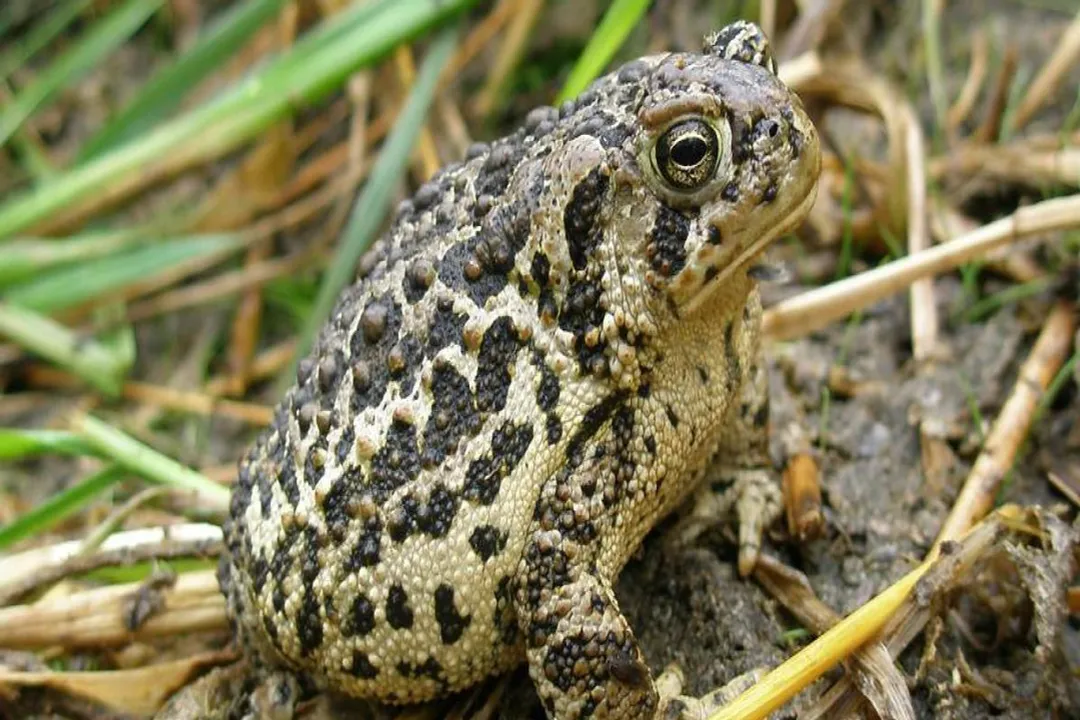
The dietary habits of the Wyoming Toad (Anaxyrus baxteri) present a fascinating look into amphibian survival, particularly because what they consume changes drastically as they mature from an aquatic larva to a terrestrial adult. This toad is strictly a carnivore once it completes metamorphosis, relying entirely on the invertebrate life available in its native Laramie Basin habitat. Understanding this specific nutritional requirement is key to appreciating the complexity of its recovery efforts, as captive breeding programs must mimic or substitute this specialized menu.
# Life Stage Diets
The transition in diet is one of the most fundamental shifts in the Wyoming Toad's life cycle. The early aquatic phase, as a tadpole, is entirely herbivorous, a necessity dictated by their immediate environment after hatching.
# Larval Sustenance
Once the black, uniformly colored tadpoles hatch from their long strings of eggs, their survival hinges on consuming plant-based material floating nearby. This early diet consists primarily of small pieces of vegetation. More specifically, the larvae feed on algae and other organic detritus that adheres to surfaces like rocks and surrounding plants within the shallow, warm waters they inhabit. This reliance on floating organic matter and algae contrasts sharply with the diet of the mature toad and ensures that the developing amphibians have access to necessary energy sources before they develop the specialized anatomy required for insect predation.
# Adult Invertebrates
As the toadlets develop and leave the water, they transition to a carnivorous diet, focusing on the most abundant small prey items found in their short-grass prairie and wetland fringe environments. The adult and juvenile menu is firmly rooted in the arthropod class, though the sources also include worms as a possibility.
The documented menu items for the adult Wyoming Toad include:
- Beetles
- Ants
- Flies
- Spiders
- Worms (specifically night crawlers mentioned in captive care, implying a tolerance or preference for larger prey items)
The sheer volume of prey required to sustain a growing toad is considerable. It has been noted that an adult Wyoming Toad is capable of consuming as many as one hundred insects over the course of a single night's foraging. To put that consumption rate into perspective, if a toad consumed 100 ants, and an average ant weighs about 4 milligrams, the toad has ingested a meal equivalent to roughly 100 sesame seeds by weight. This high-volume, low-weight intake strategy is characteristic of many small insectivores.
# Foraging Behavior and Volume
The toad’s nocturnal lifestyle is directly tied to its feeding schedule. By burying themselves in the mud during the day, they avoid desiccation and perhaps some diurnal predators, emerging once darkness provides cover to hunt. The Wyoming Toad relies heavily on its non-visual senses to locate its meals in the dark, using hearing and feeling ground vibrations to detect the movement of insects nearby.
While the general description confirms that adults eat insects, the specifics of captive diets maintained by conservation partners offer insight into what curators believe constitutes a complete nutritional profile when wild prey is unavailable. These carefully managed diets often include items that might be less common or available in the precise microclimate of the Laramie Basin today, or items that are easier to handle and verify for nutritional content in a controlled setting.
A comparison of captive versus wild fare shows an interesting overlap and expansion:
| Diet Category | Wild Diet Mentions | Captive Diet Mentions |
|---|---|---|
| Insects | Beetles, Ants, Flies | Cockroaches, Bean Weevils, Crickets (8,000 weekly) |
| Other Invertebrates | Spiders, Worms | Mealworms, Night Crawlers |
| Larval Food | Algae, Floating Vegetation | N/A (Aquatic stage is distinct) |
The consistent inclusion of beetles and ants across multiple sources suggests these are staples of the wild diet, likely due to their ubiquity in the toad's preferred floodplain and wetland habitats. The captive diet supplementation with mealworms and crickets suggests that high-protein, easily cultured invertebrates are prioritized in managed care to ensure adequate nutrition for growth and health within breeding programs. Furthermore, observing the massive weekly input of crickets at one facility—an 8,000-cricket delivery—underscores the intensive feeding regimen necessary to raise healthy individuals for reintroduction.
# Ecological Context and Risk
The Wyoming Toad's dependency on specific, small invertebrates places it at the mercy of broader environmental pressures that affect insect populations. A significant threat, often mentioned alongside habitat loss, is the use of pesticides, particularly those deployed for mosquito control in the Laramie Valley. Because the toad instinctively recognizes safe food items in the wild, they consume what is present. If an insect carries insecticide residues, the toad ingests the poison directly. This bioaccumulation presents a silent, yet potentially fatal, pathway for toxicants to enter the food web, even if the toad avoids direct contact with the sprayed substance itself.
When considering reintroduction success, it is vital that captive-bred toads are released into areas where their specific prey base is robust and uncontaminated. If management efforts successfully restore the habitat—using tools like prescribed fire and grazing to create the required mosaic of sparse foraging areas near dense cover—the hope is that the invertebrate food supply will rebound accordingly, allowing the toads to thrive on their natural diet. A successful reintroduction hinges not just on toad health, but on the health of the food chain that supports them.
# Feeding Strategies in Practice
For scientists involved in the Wyoming Toad Recovery Team, understanding the feeding ecology extends beyond simply listing prey items; it involves understanding accessibility. The preferred habitat—shallow open water near sparse sedges and rushes for breeding, transitioning to areas with denser vegetation nearby for cover—is designed to maximize foraging opportunities while minimizing exposure to predators like herons and garter snakes. The slightly longer lifespan of females in the wild, about 10 years compared to 8 for males mentioned by one source, might subtly relate to foraging efficiency or predator avoidance during their reproductive years, though the diet itself is shared. The fact that females grow slightly larger than males could mean they require access to slightly larger or more abundant prey items to support their greater body mass, a common pattern in amphibian sexual dimorphism.
Given the toads' reliance on ground vibrations to detect prey, their feeding effectiveness is likely greatest on still nights or in areas with soft, damp substrate that transmits vibrations well, rather than on dry, hard-packed earth where prey movement is muffled. This suggests that moisture levels in the soil, which are directly tied to the health of the surrounding wetlands, act as an invisible, yet critical, component of their hunting apparatus. Therefore, maintaining the correct water table is as important for their ability to eat as it is for their hydration and reproduction. Furthermore, considering that the species is descended from a very small captive population, ensuring that the re-introduced toads quickly establish an instinctive recognition of safe local prey, rather than being overly reliant on laboratory-provided mealworms, is a key educational goal for the release programs.
Related Questions
#Citations
Wyoming Toad Animal Facts - Anaxyrus Baxteri
Wyoming Toad
Wyoming Toad | Wyoming Game & Fish Department - Wyo.Gov
Meet the Wyoming Toad
(species) anaxyrus baxteri - WY Field Guide