Wyoming Toad Scientific Classification
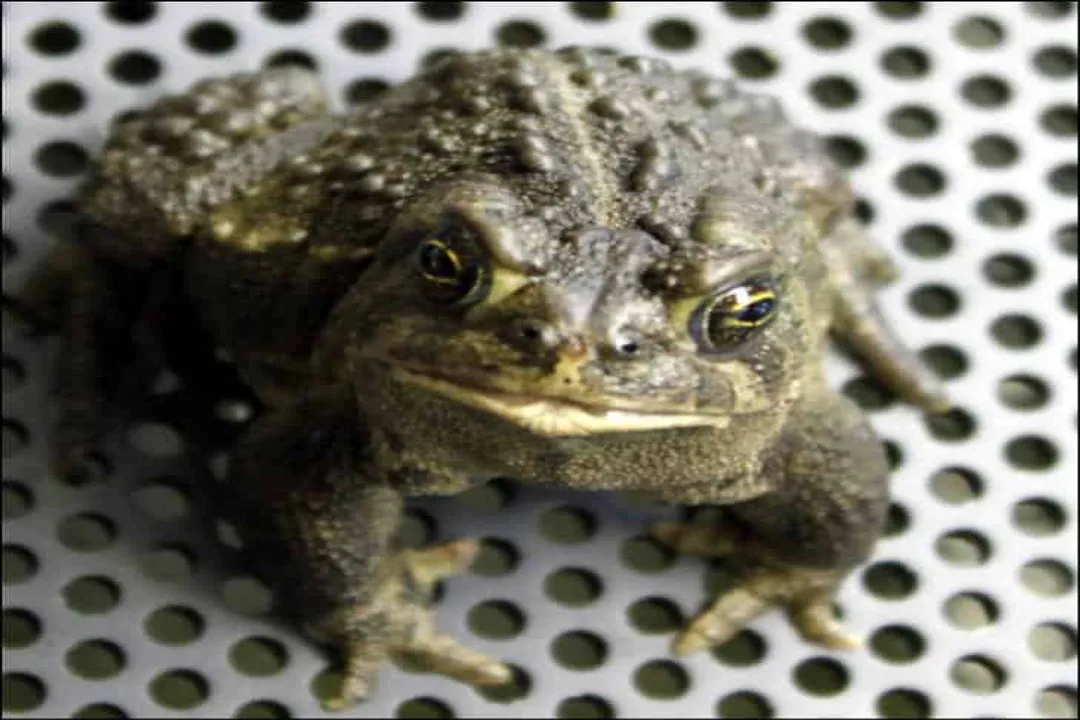
The scientific classification of the Wyoming Toad provides a precise map for understanding its place in the natural world, a designation that has become acutely important given its endangered status. This amphibian, known scientifically as Anaxyrus baxteri, is endemic solely to the state of Wyoming, specifically linked to the Laramie and Medicine Bow River drainages. [1][4][7] Understanding this taxonomy moves beyond mere labeling; it grounds conservation efforts by linking the toad to specific genetic lineages and ecological requirements. [2]
# Official Naming
The binomial nomenclature, Anaxyrus baxteri, assigns the species its formal scientific identity. [2][3][8] The genus name, Anaxyrus, places it within a group of New World true toads, while the specific epithet, baxteri, honors the individual who first collected the species. [4] This unique combination sets it apart from all other amphibians globally. [2] It is recognized by federal agencies as an endangered species, a status that necessitates careful management guided by its precise scientific placement. [1][7]
# Genus History
The toad's current placement in the genus Anaxyrus is a relatively recent development reflecting advances in molecular systematics. Historically, like many North American toads, it was classified under the genus Bufo. [2] The breakup of the large Bufo genus led to the creation of Anaxyrus for many North American species, including the Wyoming Toad. [2] This taxonomic reassignment is more than just moving names on a list; it reflects genetic divergence that separates these toads from their Old World relatives in the genus Bufo. [2] When reviewing older literature or monitoring records, one might still encounter references to Bufo baxteri, which is crucial context when tracking the long-term scientific study of this rare animal. [4]
# Taxonomic Hierarchy
The complete scientific classification follows a strict, nested hierarchy, detailing the toad’s evolutionary relationships from the broadest category down to the species level.
| Rank | Classification |
|---|---|
| Kingdom | Animalia |
| Phylum | Chordata |
| Class | Amphibia |
| Order | Anura |
| Family | Bufonidae (True Toads) |
| Genus | Anaxyrus |
| Species | A. baxteri |
The toad belongs to the Order Anura, the group containing all frogs and toads, distinguished by their lack of tails as adults. [3] Its placement within the Family Bufonidae confirms it as a "true toad," typically characterized by dry, warty skin and stout bodies, distinguishing it from species in other toad families. [3][4] At the species level, Anaxyrus baxteri is a designation reserved exclusively for this specific lineage found only in southeastern Wyoming. [1][7]
# Distribution Context
The scientific classification underscores the Wyoming Toad’s extreme geographic limitation. While many Anaxyrus species, such as the Western Toad (Anaxyrus boreas), have vast ranges across North America, A. baxteri is restricted to a small area near Laramie and the historical habitat associated with the Medicine Bow River drainage. [1][4] This intense geographic restriction, formalized by its distinct species classification, explains the fragility of its existence. When recovery plans discuss limiting captive breeding releases to specific designated sites within the historical range, they are practically enforcing the boundaries defined by its endemic classification. [9] The very narrowness of its defined ecological niche means that localized environmental changes, such as water availability or habitat alteration, pose a disproportionate threat to the entire global population, a reality inherent in the study of such highly specialized endemic species.
# Comparative Biology
The Wyoming Toad shares its genus, Anaxyrus, with several other species across the continent, such as the American Toad (Anaxyrus americanus) and the Western Toad. [2] From a purely visual standpoint, the Wyoming Toad might appear similar to other small, mottled brown toads one might find across the Great Plains. [4] However, the scientific separation into A. baxteri implies that genetic analyses have revealed distinctions significant enough to warrant species separation, even if the morphological differences—such as subtle patterns or size variation—are not immediately obvious to the untrained eye. [2] The fact that it was only described in 1991, despite being endemic to a relatively well-studied area, suggests that its unique characteristics were either overlooked or that its population decline was so rapid that formal description lagged behind its critical conservation status. [4] This situation highlights that scientific classification is a dynamic process, constantly refined by genetics, which is vital for directing targeted recovery strategies that account for unique evolutionary adaptations specific to A. baxteri versus its relatives.
# Conservation Status
The authority on its classification, as recognized by the U.S. Fish and Wildlife Service, confirms its listing as Endangered. [1] This designation flows directly from its classification as a distinct species with critically low numbers and a severely restricted historical range. [1][7] While captive breeding and reintroduction programs are ongoing, supported by detailed recovery plans, the classification Anaxyrus baxteri serves as the anchor for all legal protections and recovery mandates. [1][9] For instance, the recovery plans detail specific habitat characteristics—such as ephemeral wetlands and wet meadows—that must be maintained or restored for the species to survive, reinforcing the link between its scientific identity and its specific ecological requirements. [9]
# Monitoring and Identification
To ensure recovery efforts are focused on the correct animal, accurate identification within the field is essential, which relies on knowing what A. baxteri is scientifically classified as, versus other local amphibians. [7] Field guides and biodiversity databases use this classification to categorize observational data collected by citizen scientists and professionals. [3][7] For example, the Wyoming Natural Diversity Database tracks it under its scientific designation, emphasizing its rarity within the state's overall biological inventory. [3] When documenting a sighting, researchers focus on distinguishing features, such as its generally smaller size—rarely exceeding two inches—and the pattern of dark spots contrasting with a light background color. [4] However, the most certain confirmation of its identity, distinguishing it from closely related species, rests in the scientific data underpinning its classification, reinforcing that while field identification is helpful, the formal taxonomy validates its status. [2]
Related Questions
#Citations
Species Profile for Wyoming Toad(Anaxyrus baxteri) - ECOS
Anaxyrus baxteri | NatureServe Explorer
(species) anaxyrus baxteri - WY Field Guide
Wyoming Toad | Wyoming Game & Fish Department - Wyo.Gov
Anaxyrus baxteri - AmphibiaWeb
Wyoming Toad - Anaxyrus Baxteri - A-Z Animals
Wyoming Toad - Biodiversity Institute
Wyoming Toad (Anaxyrus baxteri) - iNaturalist