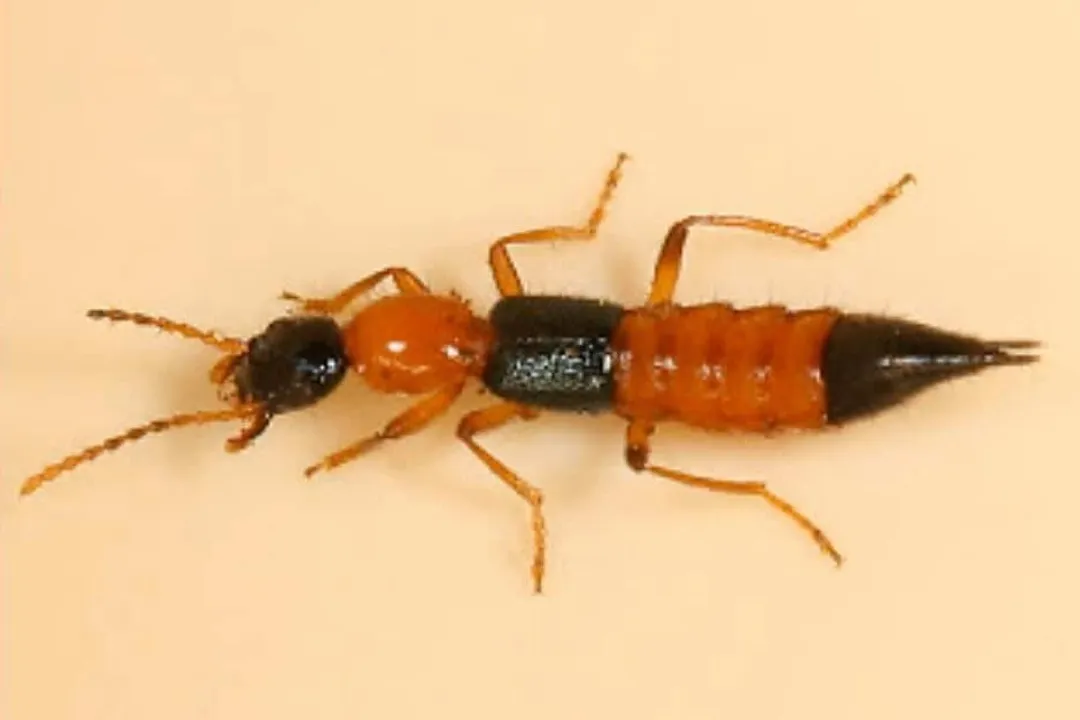
Which substances are frequently mistaken for Paederus dermatitis due to the formation of vesicles?
Contact dermatitis caused by poison ivy or poison oak
When a patient presents with an acute, blistering skin reaction characterized by vesicles or bullae, dermatologists must engage in differential diagnosis to pinpoint the exact cause, as treatment protocols vary significantly. Because the advanced stage of Paederus dermatitis involves the formation of fluid-filled blisters, it closely mimics the presentation of allergic contact dermatitis caused by certain plants. Specifically, the reaction is frequently confused with exposure to irritants found in poison ivy or poison oak. Accurate diagnosis relies heavily on obtaining a detailed exposure history, looking for evidence of outdoor activity at night or sleeping with open windows, which points towards insect exposure rather than direct plant contact.