What happens if you get stung by a mason bee?
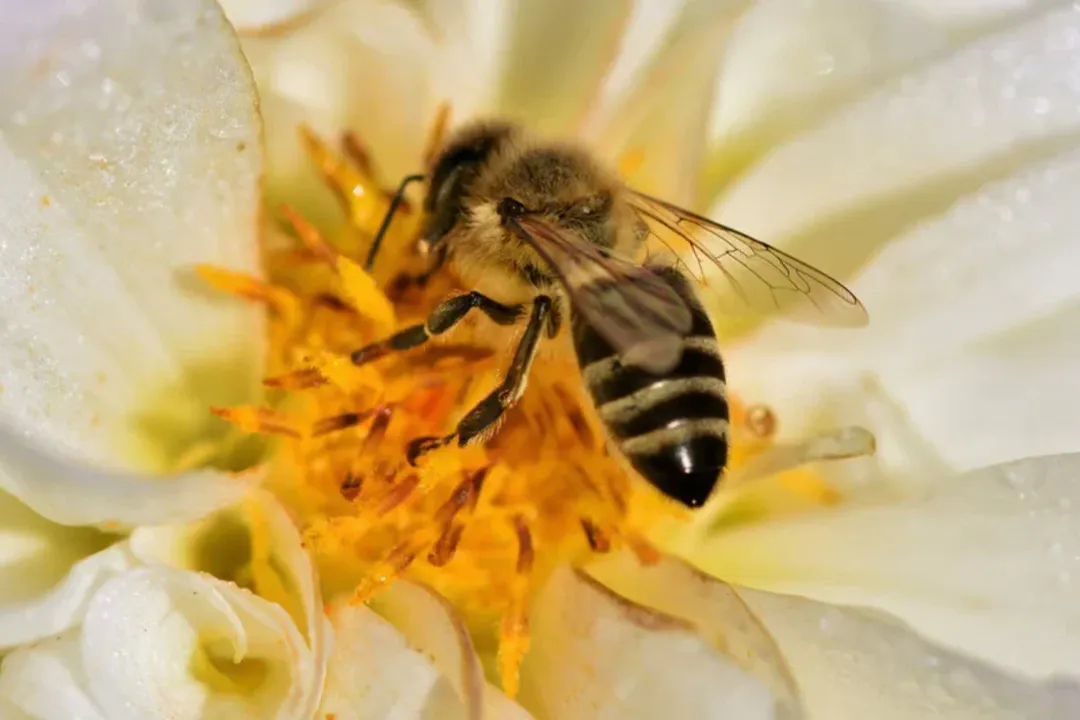
The appearance of a fuzzy, dark bee near a garden often prompts a common query: what is the actual risk of a sting? Mason bees, those hardworking solitary pollinators often housed in tubes or small holes, carry a reputation that sometimes precedes them, though this is often misplaced when compared to their social cousins, the honeybees or aggressive wasps. [3][8] Understanding what happens if you encounter one defensively requires a look at their nature, their anatomy, and the context of the interaction itself.
# Solitary Nature

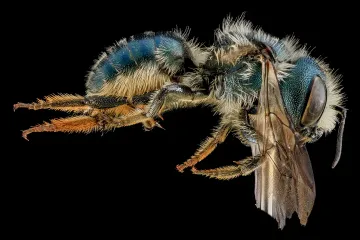
Mason bees, belonging to the Osmia genus, are fundamentally different from the bees most people encounter, like honeybees. [8] They are solitary insects, meaning they do not live in large hives or colonies with a queen and workers. [3] This lack of a social structure is the primary reason their temperament differs so dramatically from social bees. [3][7] Since there is no colony or store of honey to defend, mason bees generally lack the instinct to aggressively guard an area or a nest site against perceived threats. [3][4] They are focused almost entirely on foraging for nectar and pollen, and then finding a suitable cavity to lay their eggs. [3]
# Stinger Anatomy

A crucial piece of information regarding potential stings lies in bee biology: only female bees possess stingers. [1][4] Male mason bees, which often make up a significant portion of the population buzzing around during the spring season, are entirely incapable of stinging. [4] They lack the necessary structure, called a modified ovipositor, that females use for both egg-laying and defense. [1] Therefore, any interaction with a male mason bee, no matter how close or startling, poses absolutely no stinging threat. [4]
The female, however, is equipped with a stinger. [1][4] The real question then becomes: how likely is she to deploy it?
# Sting Frequency
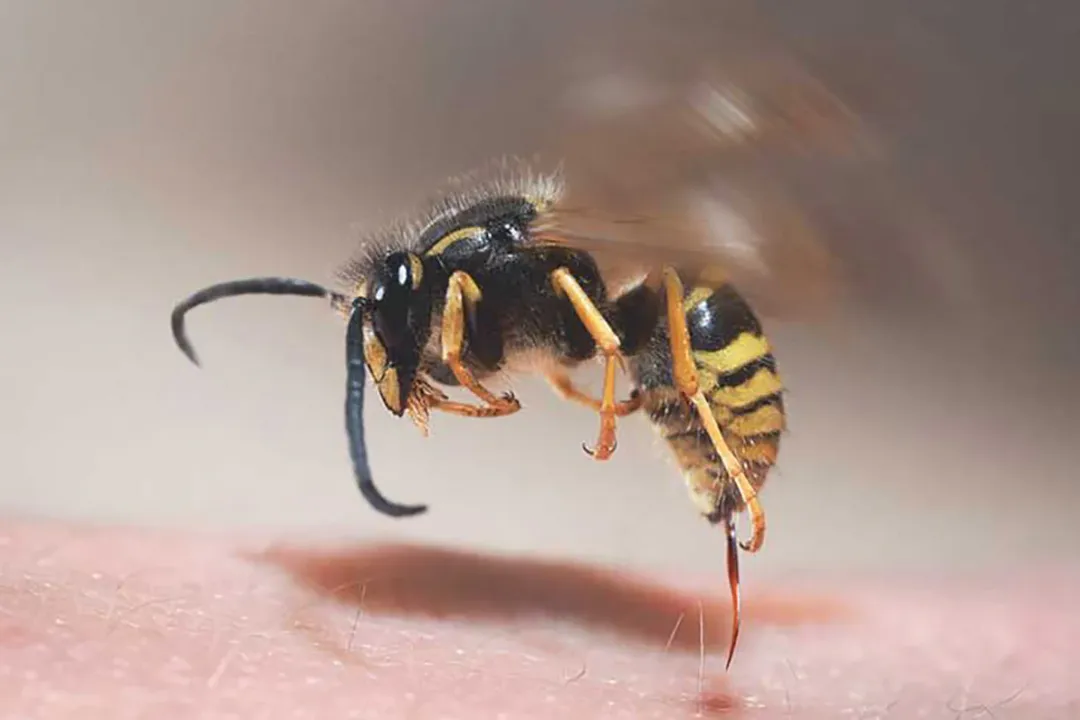
The overwhelming consensus across observations and expert commentary is that stings from mason bees are exceedingly rare. [1][4][5] They are not typically aggressive; they sting only when they feel they are being attacked or are accidentally trapped against human skin. [4][7] Many people who keep mason bees in managed nesting blocks for years never experience a sting. [2] If a sting does occur, it is almost always the result of direct physical provocation, such as accidentally sitting on one or squeezing it while handling a nest block. [4]
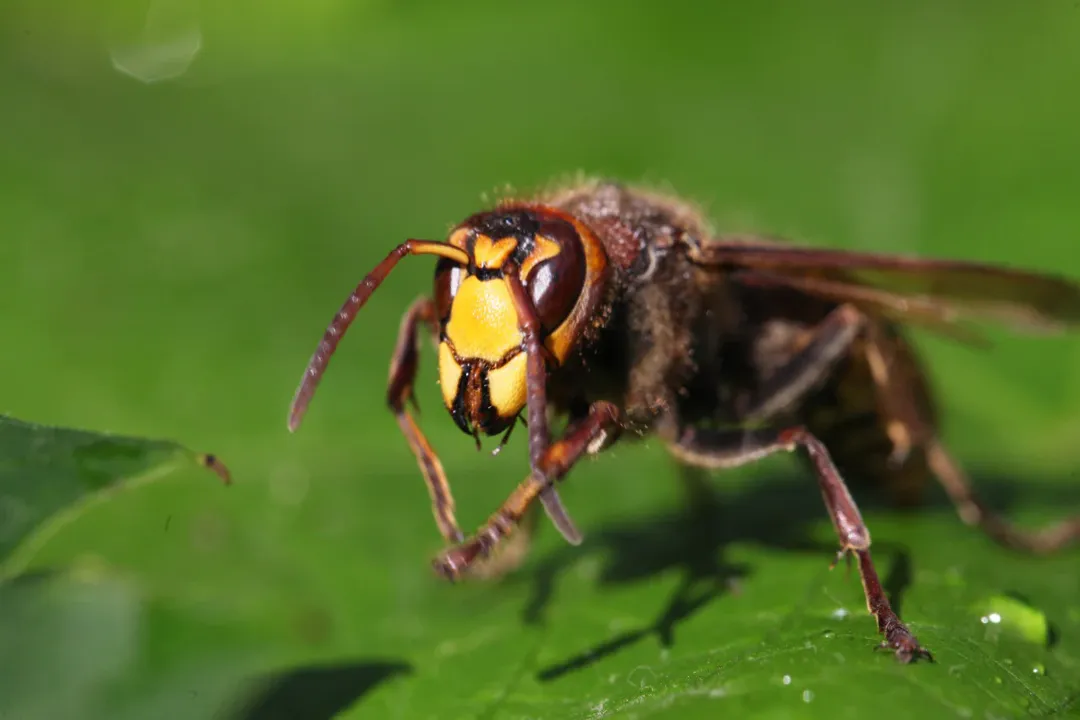
When comparing the potential danger, it’s useful to consider the context of other stinging insects. Unlike wasps, which actively hunt other insects and are known for their persistent, sometimes aggressive behavior when disturbed, the mason bee’s defensive response is minimal. [6] They do not have the same level of territoriality. [3]
# The Experience
If you are stung by a female mason bee, the physical sensation is generally reported as being very mild. [1][4] Because they are not defending a large store of honey or a hive structure, their venom sacs often contain less of the defensive compounds used by social bees. [1][3]
The sting is often described as feeling like a brief, sharp prick, similar to the sensation of being poked lightly with a small pin or thorn. [1] In many anecdotal accounts, the pain subsides almost immediately, unlike the prolonged burning associated with honeybee or wasp stings. [1][5] In fact, some sources suggest that while a honeybee leaves its barbed stinger behind, mason bee stingers are smooth, allowing the bee to sting multiple times, although this defensive behavior is still extremely unlikely to manifest beyond the initial accidental event. [1]
For most healthy individuals, the local reaction is usually limited to a small, temporary red spot. [4] Severe allergic reactions are always a possibility with any insect venom, just as they are with bee or wasp stings, but the baseline reaction to a mason bee sting is typically far less significant than people fear. [4]

# Risk Management
Since the risk is primarily linked to accidental contact, understanding where these bees nest and fly helps minimize the chance of an incident. Mason bees use existing holes in wood, hollow reeds, or manufactured bee houses to lay their eggs. [8] They are usually active when temperatures rise above approximately 50 degrees Fahrenheit. [5]
A practical way to safeguard against accidental stings involves simple environmental awareness, particularly around known nesting areas. When working near a bee house or a patch of reeds known to house solitary bees in the spring, always be mindful of where you place your hands. If you are inspecting a potential nesting block, treat the area with respect, assuming a female might be emerging or inspecting a tube, rather than reaching in blindly. [7] If you notice bees actively entering and exiting tubes, it is wise to leave them undisturbed for that period, allowing them to complete their reproductive cycle.
# Dispelling Myths
The fear surrounding mason bee stings often stems from conflating them with more formidable stinging insects. [3] One persistent myth is that all mason bees are highly aggressive or that they swarm to attack. [3][6] This is entirely false; they are not social insects and do not swarm. [3] Another misconception is that an encounter with any bee means a painful sting is inevitable. [6]
It is important to distinguish the beneficial mason bee from insects often mistaken for them, such as some varieties of carpenter bees or yellowjackets, which can exhibit more aggressive behavior, especially later in the season. [6] While carpenter bees (Xylocopa) can sometimes sting if handled aggressively, the mason bee (Osmia) is generally regarded as one of the most docile pollinators available for backyard enthusiasts. [8]

# Post-Encounter Care
If, despite the low odds, a sting does occur, the treatment is straightforward, reflecting the mild nature of the incident. [1][4] Because they are not generally perceived as a pest that needs eradication, the focus should shift immediately to first aid rather than pest control measures. [9]
- Examine the Area: Check if the stinger remains embedded. While mason bee stingers are reportedly smooth and less likely to embed than a honeybee's, remove it if present by scraping, not squeezing. [1]
- Cleanse: Wash the affected area gently with soap and water. [4]
- Soothe: Apply a cold compress or ice pack to reduce any minor swelling or redness. [4]
- Monitor: Keep an eye on the area for signs of excessive swelling, hives, or difficulty breathing, which would indicate an allergic reaction requiring medical attention. [4]
For the vast majority of people, simple observation is enough, and the site will heal quickly. The benefit these pollinators provide in terms of garden health—they are incredibly efficient at pollinating fruit trees and early spring blossoms—far outweighs the minimal, rare risk associated with their presence. [7][8] This beneficial reality should temper any reflexive fear when one of these fuzzy, ground-nesting pollinators appears in your yard. [5]
Related Questions
#Citations
Mason bees actually sting, kind of
We get this question a lot - "Do Mason bees sting??" - Reddit
Mason Bees: Do They Sting and Should You Worry?
Mason bees can sting and cause pain - Facebook
Types of Stinging Bees & Treatment of Bee Stings | Best Bee Brothers
Mason Bees - Organic Control, Inc.
Mason bee | Description, Life Cycle, Nest, Sting, & Facts | Britannica
How to identify and control masonry bees | Rochdale Borough Council