Which physical trait is explicitly linked to shedding excess metabolic heat in Zebu?
Answer
Massive surface area provided by the dewlap and loose skin
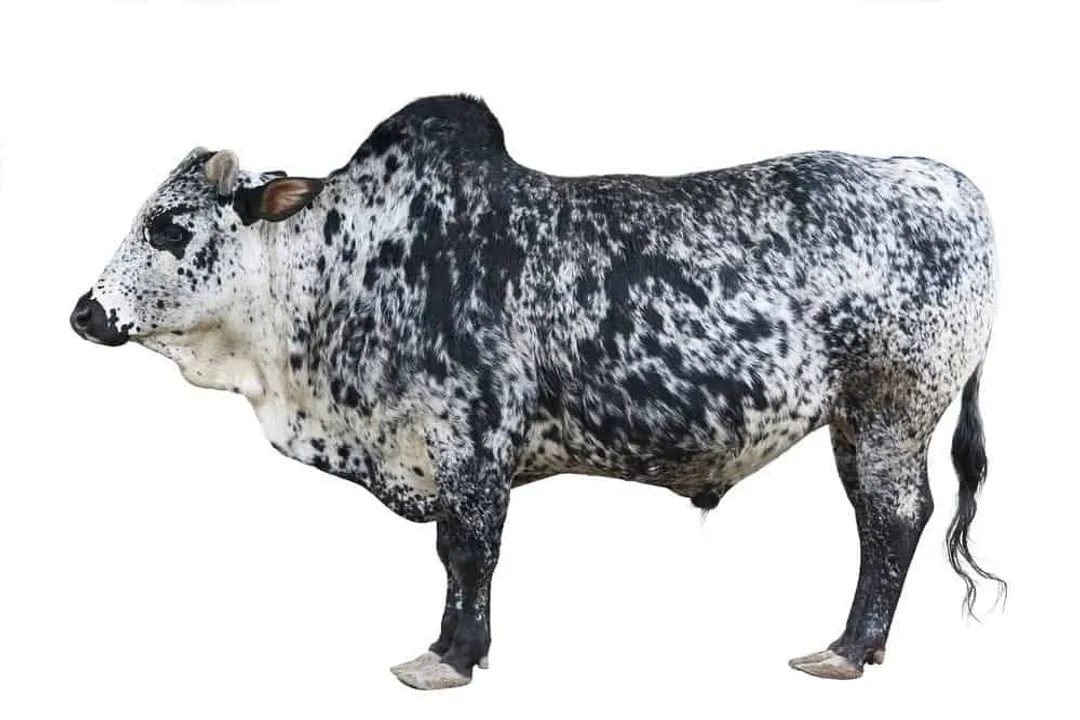
The adaptation mechanism inherent in Zebu cattle relies heavily on physical features designed for cooling in hot environments. The most significant contributor to shedding excess metabolic heat is the massive surface area created by the combination of the dewlap and the overall looseness of the skin covering the body. This extensive surface area enhances convective heat loss, enabling the animal to dissipate heat load efficiently. When producers crossbreed Zebu with European stock in hot locales, the size of the dewlap is monitored closely, as its presence is a reliable physical marker confirming the inheritance of this crucial tropical hardiness and effective cooling system.
Related Questions
What primary tissue composes the Zebu's distinctive hump structure?What is the scientific classification for Zebu cattle?What is the main survival function of the Zebu's large, pendulous dewlap?Which physical trait is explicitly linked to shedding excess metabolic heat in Zebu?What characteristic regarding horns is possible within Zebu populations?Which small varieties are recognized within the *Bos indicus* size spectrum?What protective function does the dark pigmentation often found beneath the Zebu coat serve?How does the general build of Zebu compare structurally to *Bos taurus*?In F1 crosses involving Zebu, what physical marker signals adequate inherited tropical hardiness?How are the ears of the Zebu cattle typically described?