What primary tissue composes the Zebu's distinctive hump structure?
Answer
Fatty tissue
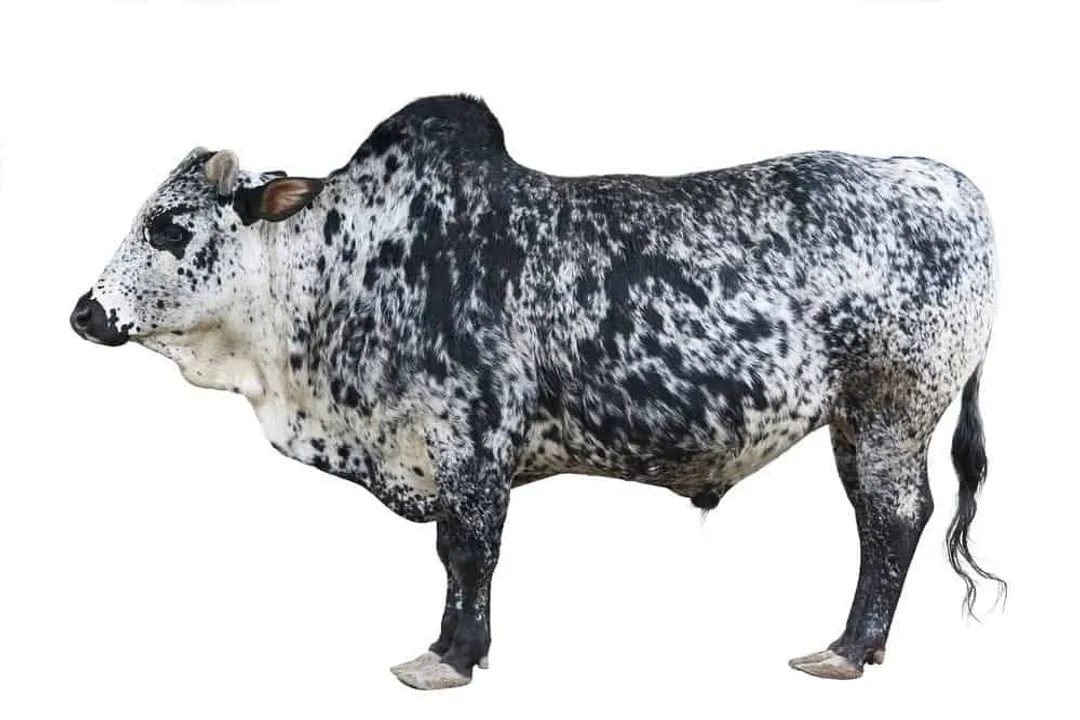
The prominent, muscular hump located above the shoulders of the Zebu is fundamentally composed of fatty tissue. This structural element is not merely decorative; it functions as a crucial energy reserve for the animal. This reserve capacity mirrors the function seen in camels, enabling the Zebu to sustain itself during periods where food sources might be scarce or unavailable. Furthermore, the physical state of this hump serves as an immediate visual indicator of the animal's nutritional status. A Zebu in good condition will exhibit a firm and pronounced hump, reflecting abundant stored energy, while an animal suffering from nutritional stress will show a softer or diminished hump as those reserves are utilized.
Related Questions
What primary tissue composes the Zebu's distinctive hump structure?What is the scientific classification for Zebu cattle?What is the main survival function of the Zebu's large, pendulous dewlap?Which physical trait is explicitly linked to shedding excess metabolic heat in Zebu?What characteristic regarding horns is possible within Zebu populations?Which small varieties are recognized within the *Bos indicus* size spectrum?What protective function does the dark pigmentation often found beneath the Zebu coat serve?How does the general build of Zebu compare structurally to *Bos taurus*?In F1 crosses involving Zebu, what physical marker signals adequate inherited tropical hardiness?How are the ears of the Zebu cattle typically described?