Zebu Physical Characteristics
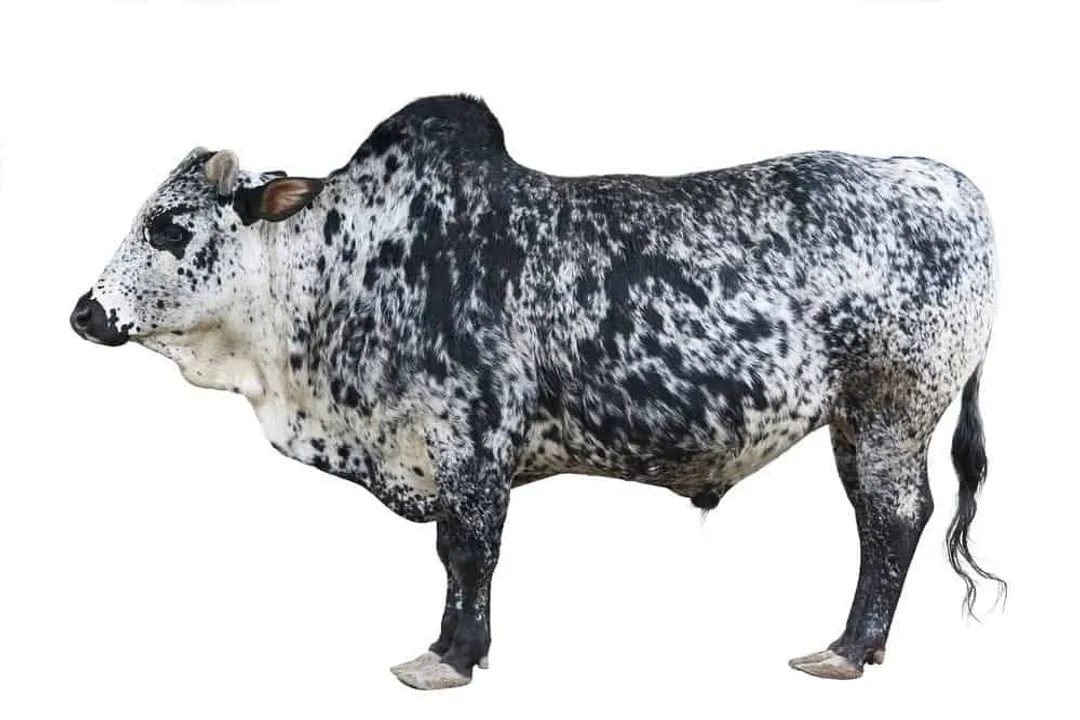
The Zebu, scientifically classified as Bos indicus, possesses a collection of distinctive physical traits that set it apart from its European relatives, Bos taurus. These characteristics are not merely cosmetic; they are direct evolutionary adaptations allowing this cattle type to thrive in the demanding heat and humidity of tropical and subtropical regions. [1][2] Observing a Zebu herd immediately highlights these differences, starting from the prominent mass situated on its back.
# Distinctive Hump
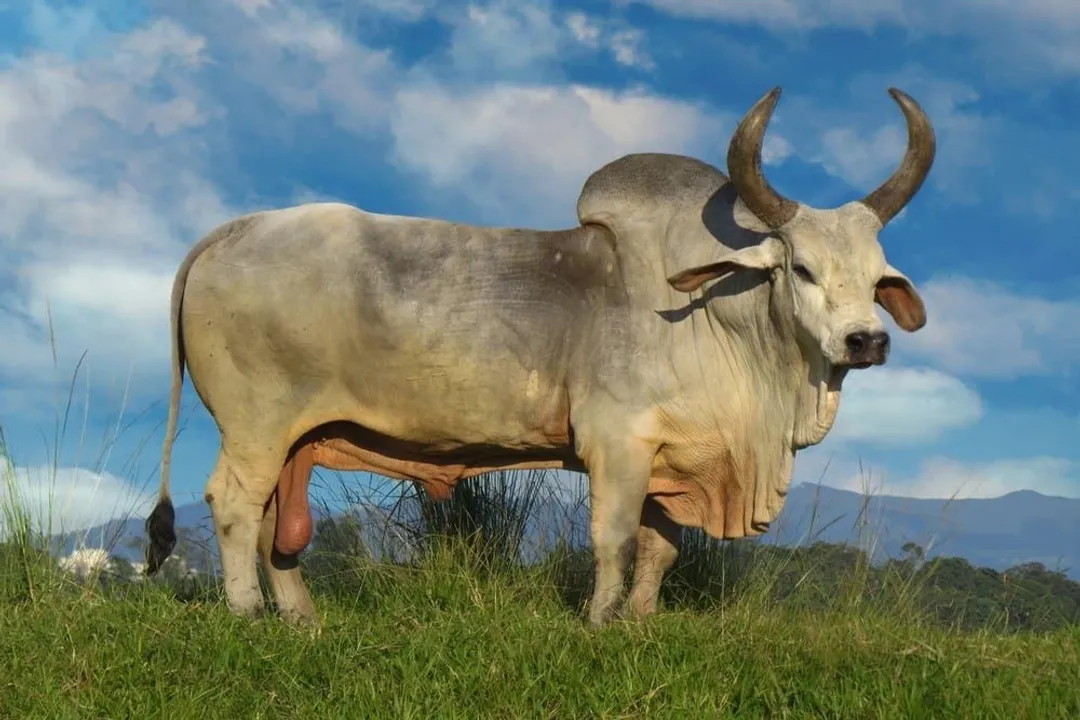
The most universally recognized feature of the Zebu is the large, muscular hump situated above the shoulders. [1][4] This structure is composed primarily of fatty tissue, serving as a vital energy reserve, much like a camel's hump, allowing the animal to endure periods of scarcity. [4] Unlike many traits that remain relatively static, the appearance of this hump can be an immediate visual gauge of the animal's condition. While the underlying structure is inherent, a well-conditioned Zebu will display a firm, pronounced hump, whereas an animal under nutritional stress will see that reserve diminish, causing the hump to appear softer or smaller [Implied synthesis based on the function of fat reserves]. This contrasts with Bos taurus, which generally lacks this feature entirely. [2]
# Skin Features
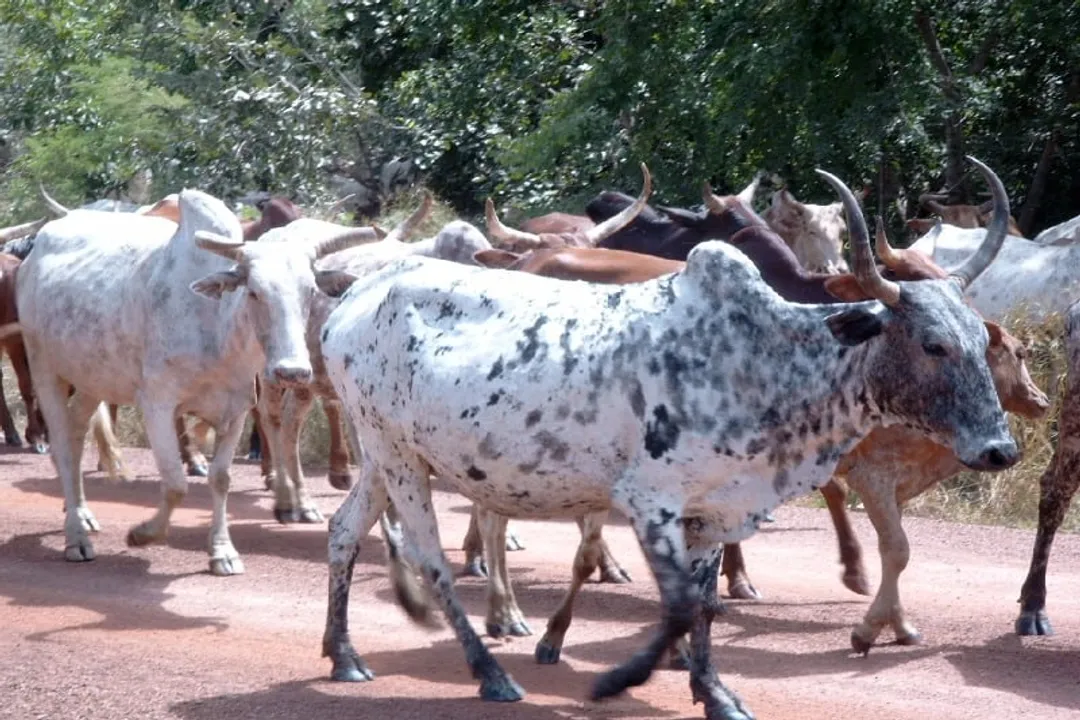
Beyond the hump, the Zebu’s skin anatomy plays a significant role in its survival in warmer climates. They possess an unusually large, pendulous dewlap, which is the loose fold of skin extending from the lower jaw down to the brisket. [1][4] This extensive skin surface area, combined with the general looseness of the skin over the body, facilitates greater heat exchange with the surrounding air, acting as a natural cooling mechanism. [1] Furthermore, Zebu cattle typically have short, sleek coats that offer less insulation against solar radiation compared to the heavier coats often seen on temperate breeds. [4] The skin itself is frequently dark-colored, which provides better absorption of heat when needed but is often paired with characteristics that mitigate overheating.
# Head Shape
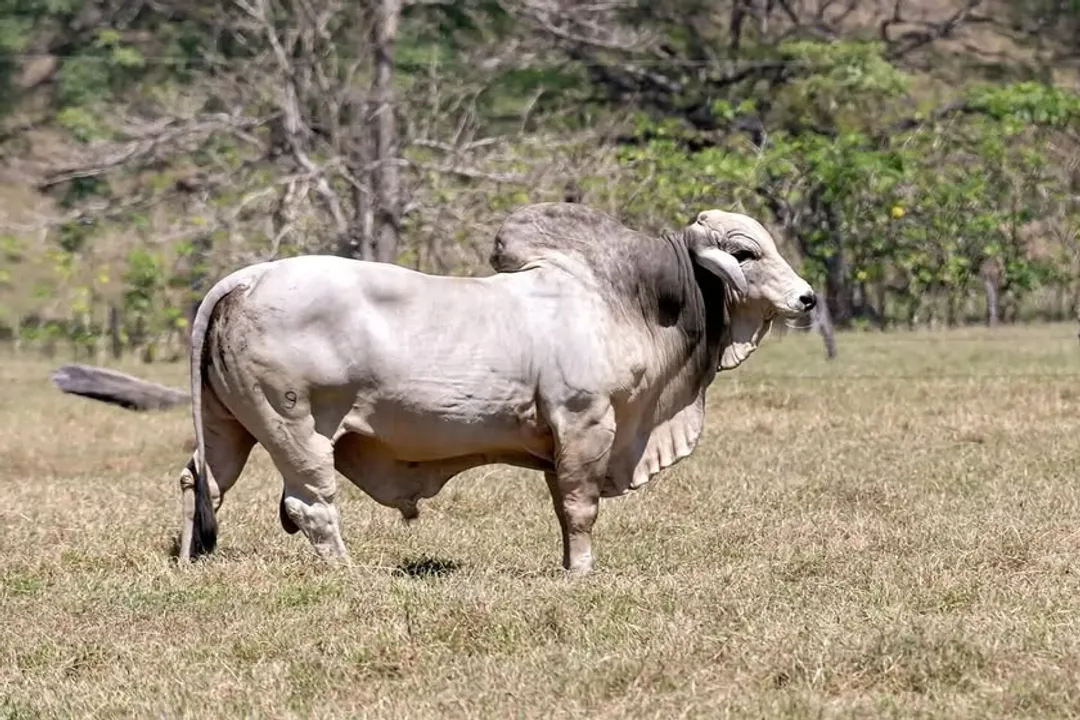
The head structure of the Zebu also presents key differentiators. Horns are generally present, curving upward or backward, though their exact shape and length can vary widely between specific breeds. [1][4] It is possible, however, to find Zebu populations that are naturally polled, meaning they lack horns. [1] Focusing on the anterior features, descriptions of Zebu characteristics often include a relatively short neck, a broad muzzle, and a broad head. [3] In contrast to some European breeds where the forehead might appear smoother or more streamlined, the Zebu facial structure is clearly aligned with its specialized environment.
# Size Variation
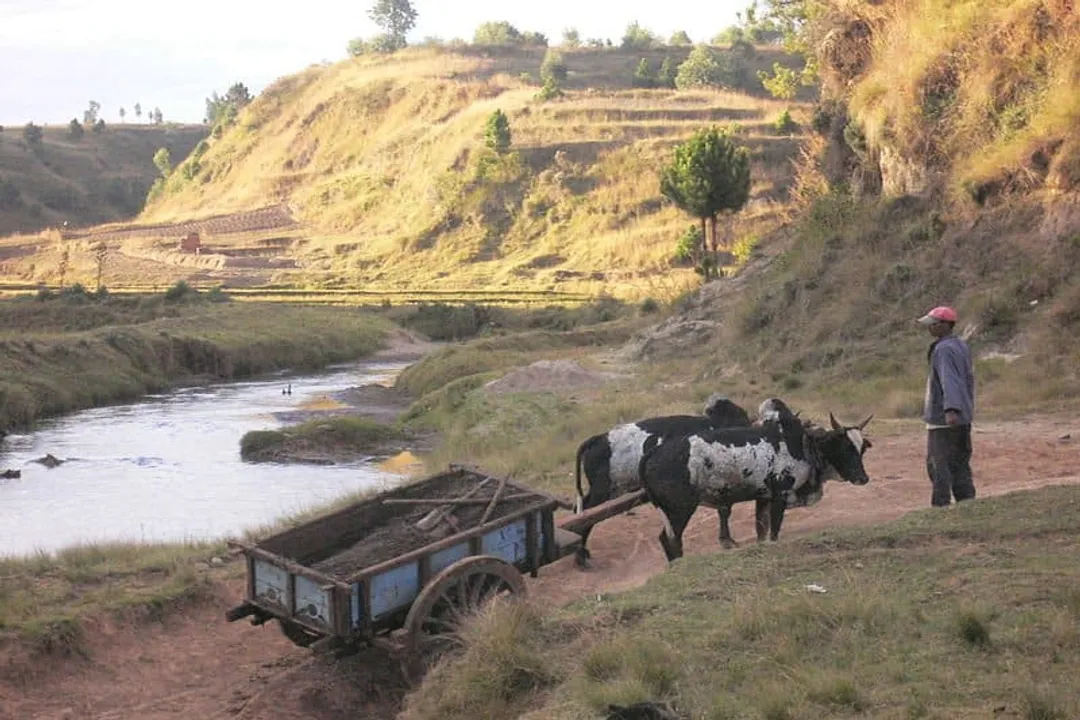
While many people picture a medium-to-large framed animal when thinking of Zebu, the species exhibits remarkable variation in overall body size. They are generally characterized by a more slender build compared to European cattle. [2] This range includes the well-known large breeds, but also extends to exceptionally small varieties. For instance, the Miniature Zebu is a recognized type, and even smaller is the Pygmy Zebu, showcasing the wide spectrum of development within the Bos indicus classification. [6][9] These smaller variants, such as the Pygmy Zebu, retain all the primary physical characteristics, including the hump and dewlap, relative to their much smaller stature. [6]
# Adaptation Mechanism
The combination of physical traits found in Zebu cattle explains their proven resilience. The adaptation for thermoregulation is evident in the massive surface area provided by the dewlap and loose skin, helping the animal shed excess metabolic heat. [1][4] This efficient cooling system is intrinsically linked to their survival in environments where high temperatures are constant. When cross-breeding Zebu with European stock for commercial beef production in hot regions, producers often track the retention of the large dewlap and moderate hair coat as key physical markers. A rapid reduction in dewlap size in F1 crosses might signal a need to manage heat stress more closely than initially anticipated, as that visible feature is a reliable indicator of inherited tropical hardiness [Actionable observation derived from breed selection].
# Horns and Ears
The ears of the Zebu are characteristically pendulous, meaning they droop downwards, often described as long. [1][4] This contrasts sharply with the typically smaller, more upright ears found on many Bos taurus breeds. As noted earlier, horns are a common feature, typically projecting upward or backward, though polled individuals exist within the genetic pool. [1][4] The overall conformation emphasizes features that manage heat over features that maximize meat or milk production in temperate settings, resulting in a body structure optimized for endurance in harsh conditions rather than sheer bulk [Synthesis based on comparative traits].

# Pigmentation
While coat color can vary widely across different Zebu strains—including white, gray, red, and black—the skin beneath the hair often shows significant dark pigmentation. [1] This dark pigmentation under the thin coat serves an important protective function against intense UV radiation, which is a constant challenge in equatorial latitudes where these animals naturally prosper. [1] A lighter-skinned animal, even one with a white coat, would risk severe sunburn and subsequent skin damage without the dark underlying pigment to buffer the sun's intensity.
Related Questions
#Citations
Zebu - Wikipedia
Zebu - Bos taurus indicus - A-Z Animals
CHARACTERISTICS OF ZEBU BREED OF CATTLE Short neck ...
Zebu: Information about the Humped Cattle - IFIZCI
Zebu (Bos taurus indicus) - Comparative Mammalian Brain Collections
Pygmy Zebu - The Farm at Walnut Creek
Zebu - Facts, Diet, Habitat & Pictures on Animalia.bio
Zebu Cow & Mini Zebu Cow: 7 Powerful Traits For 2026 Success
Miniature Zebu Cattle - Breeds of Livestock