Which food category is identified as critical for yellow perch growth into trophy sizes?
Answer
Fish (e.g., Minnows, Suckers, Smaller Perch)
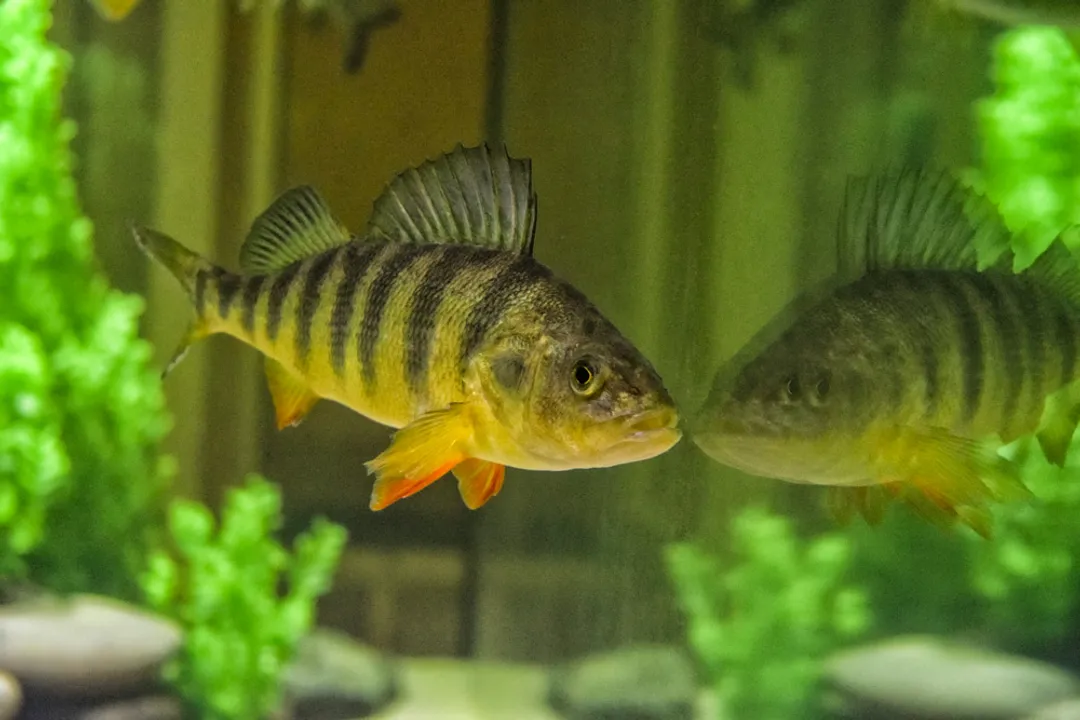
The transition to consuming fish, known as piscivory, is directly linked to the rapid accumulation of mass necessary for yellow perch to attain trophy sizes. While invertebrates like insect larvae and crustaceans provide necessary protein, the highest caloric return comes from eating smaller fish species such as minnows, suckers, sculpins, or even other, smaller yellow perch. This heavy reliance on mobile, high-energy prey defines the dietary profile of the successful, larger adult perch, contrasting sharply with the plankton-based diet of their youth.
Related Questions
What dominates the diet of newly hatched yellow perch fry, often measuring less than half an inch long?What term describes the major feeding milestone where adult Perca flavescens consume other fish?Why might yellow perch feeding become less active midday in very clear lakes?If local studies show the primary forage fish is the rainbow smelt, what should an angler targeting perch prioritize?What food items are incorporated when juvenile yellow perch transition beyond the initial zooplankton stage?If stocked perch remain in their juvenile feeding stage too long, what common negative impact occurs in the lake ecosystem?Which food category is identified as critical for yellow perch growth into trophy sizes?In weedier, shallower systems, where do yellow perch primarily feed heavily on benthic invertebrates?What two characteristics define the consistent preference observed in actively feeding yellow perch, even across varied diets?What does the observation of only zooplankton in adult yellow perch stomachs imply about the lake system?