Yellow Perch Diet
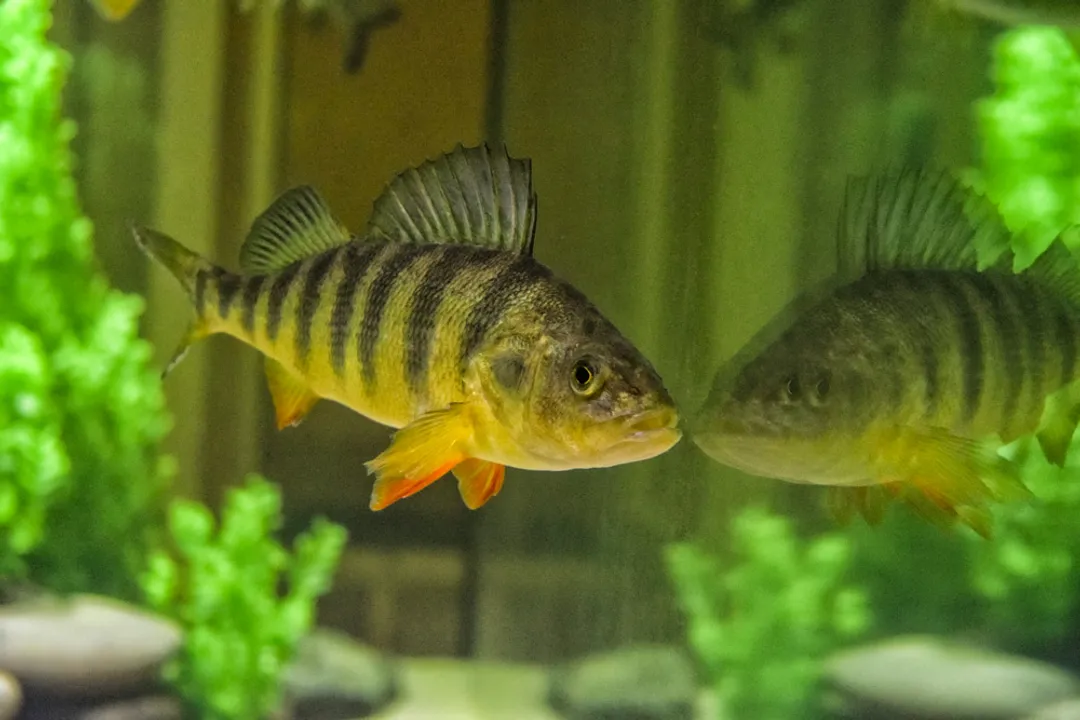
The dietary habits of the yellow perch, Perca flavescens, are fascinating because they change dramatically as the fish matures, making them adaptable inhabitants of various freshwater systems across North America. Understanding what they consume is key whether you are an angler targeting a trophy fish or someone managing a small lake ecosystem. This species demonstrates a classic example of ontogenetic dietary shift, meaning their menu evolves significantly from their earliest days to full adulthood.
# Early Feeding
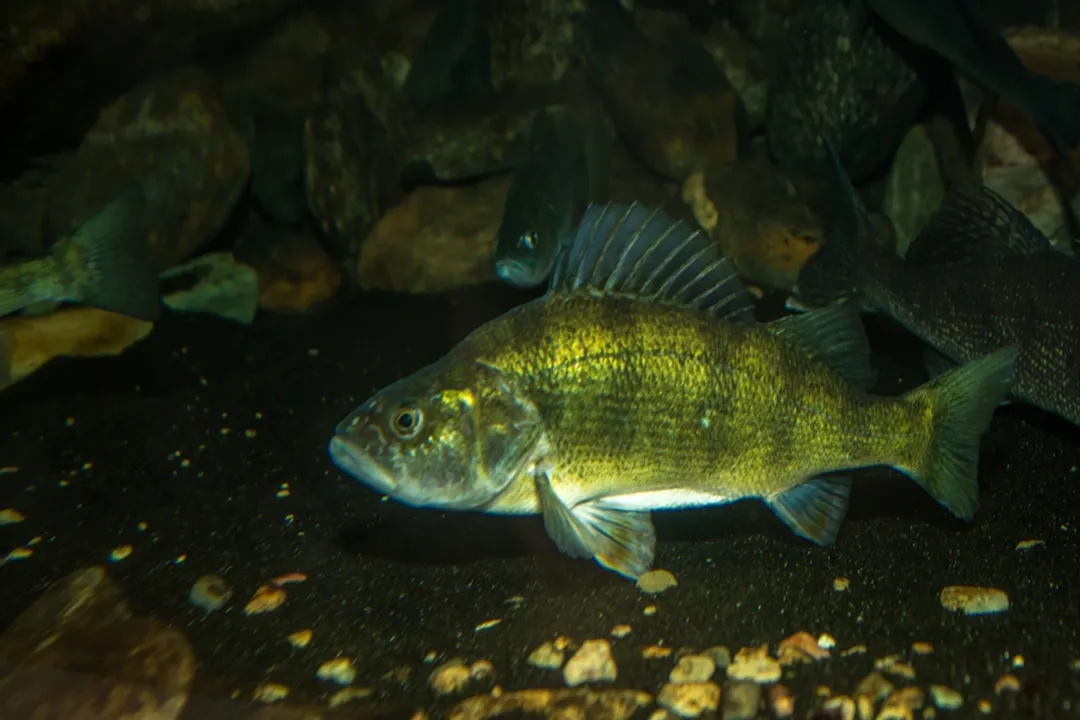
When yellow perch first hatch, they are tiny, often measuring less than half an inch long, and their initial survival hinges on consuming microscopic organisms drifting in the water column. During this very early stage, their diet is dominated by zooplankton. These microscopic animals form the foundational food source that fuels their initial rapid growth.
As they grow slightly larger, transitioning from fry to small juveniles, their feeding strategy broadens to include slightly larger fare. They begin incorporating small aquatic invertebrates, insect larvae, and even some filamentous algae into their diet. This early reliance on the smallest available aquatic life dictates their initial success in crowded nursery waters. If the zooplankton bloom is weak or insufficient, the survival rates for the young perch can plummet rapidly.
# Adult Menu Shifts
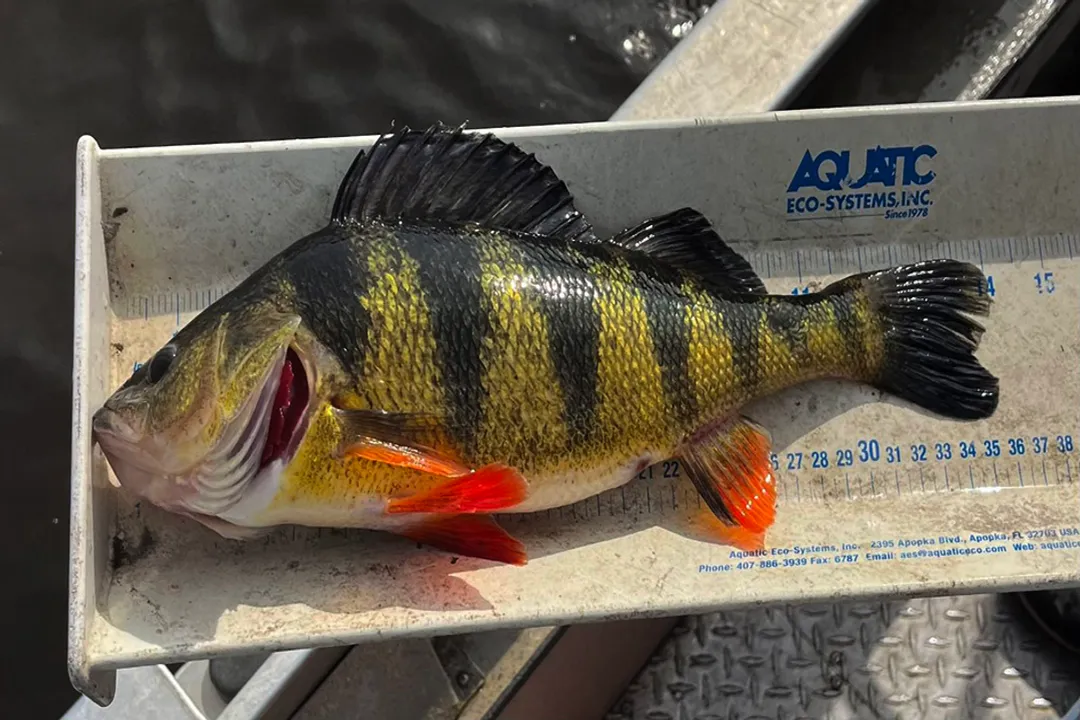
Once yellow perch reach a size where they are no longer competing directly with the fry of other species, or even their own younger siblings, their appetite turns decidedly more predatory. The adult diet is much broader and heavily weighted toward mobile prey, moving beyond static plankton sources.
For many adult yellow perch, especially those in productive lakes, the bulk of their diet consists of aquatic invertebrates, such as insect larvae, small crustaceans, and crayfish. However, a critical component, especially for larger specimens, is the consumption of other fish.
In many water bodies, smaller fish species become a preferred food source. These might include smaller minnows, young suckers, sculpins, or even other less fortunate yellow perch. The transition to piscivory—eating fish—is a major milestone in a perch’s life, allowing them to put on significant weight quickly. It is important to note that what a perch eats often depends heavily on what is most abundant locally. In waters where insect populations are sparse but small baitfish are plentiful, the perch will readily switch to being primarily a feeder on its smaller neighbors.
The speed at which they switch their primary food source is tied directly to their growth rate, which is influenced by water temperature and food availability. A perch that grows quickly will become a fish-eater sooner than a slower-growing counterpart.
# Prey Composition Breakdown
To better visualize the diversity of the yellow perch diet, one can look at the common components that appear across various habitats:
| Food Category | Examples | Significance | Citation |
|---|---|---|---|
| Crustaceans | Mysis shrimp, Daphnia, Amphipods, Crayfish | Major protein source, especially in deeper or cooler waters | |
| Insects | Mayfly/caddisfly nymphs, midges, terrestrial insects | Important during summer months or near the surface | |
| Fish | Minnows, Suckers, Sculpins, Smaller Perch | Critical for growth into trophy sizes (Piscivory) | |
| Other | Small mollusks, leeches, plant matter (incidental) | Generally minor contributors to the overall diet |
When we consider angling, understanding this prey profile helps inform lure selection. For example, if local studies or observations show that the primary forage fish in a particular lake is the rainbow smelt or a specific type of chironomid (midge larva), an angler should prioritize lures or baits that mimic those shapes and movements. This concept of "matching the hatch" is as true for perch as it is for trout, even if the angler isn't explicitly thinking about hatch timings. The sheer variety of what perch consume means that a successful presentation often mirrors the local food chain, whether it’s a small, darting jig imitating a shiner or a tiny nymph pattern tipped with a waxworm to look like a bloodworm.
# Locality and Environment
The physical environment of the yellow perch acts as a powerful selector for its diet. These fish thrive in cool, clear water, but their feeding habits adapt based on the bottom structure, depth, and water clarity of their home.
In weedier, shallower systems, the diet might lean more heavily toward benthic (bottom-dwelling) invertebrates and insects that live among the vegetation. The structure itself provides ambush points for both the perch and its prey. Conversely, in large, open-water environments, perch often feed in schools, relying on swimming crustaceans or pelagic fish schools.
Water clarity plays an interesting role. In very clear lakes, perch may be more reluctant to feed aggressively in open, bright water during midday because they are more visible to their own predators, such as larger northern pike or walleye. In these conditions, they might feed more actively at dawn and dusk when light penetration is lower, targeting whatever prey is moving in the thermocline or shallower shelves at those times. This behavioral response directly impacts their feeding window and prey selection.
Furthermore, the seasonal cycle forces dietary adjustments. During the spring, post-spawn activity often sees them pursuing newly emerged insect life or newly hatched baitfish. As the water warms into summer, insect hatches become paramount, but as fall approaches and water cools, they may bulk up on whatever substantial prey—often small fish—is available before winter sets in.
# Managing Food Webs
For fisheries managers or those involved in pond stocking, knowing the diet of the yellow perch informs stocking density and species compatibility. If a body of water is stocked heavily with perch, they can exert significant top-down pressure on the zooplankton community if they remain in their juvenile feeding stage too long. If they successfully transition to eating small fish, they become competitors with other sport fish like bass or walleye.
Thinking about it from a conservation or management perspective, if a lake is struggling with over-population of small perch, it's often because the larger predators are not effectively culling the population, which in turn keeps the perch population from reaching the size where they become efficient at eating larger prey like juvenile sport fish. A healthy, balanced perch population is one where the older, larger perch are actively eating the smaller perch, effectively recycling their own species as a major food source.
It's worth noting an observation often made by those who keep perch in home aquariums (though this is certainly not their natural state): small perch can be quite opportunistic and sometimes aggressive eaters. While zooplankton is their natural first meal, captive keepers frequently report success using commercial fish flakes, brine shrimp, or small live blackworms, which mirrors their natural tendency to consume small, wriggling items. This observational data from confinement reinforces their strong preference for mobile, high-protein prey items when they are actively feeding.
# Forage Matching for Anglers
If you are targeting yellow perch specifically, applying dietary knowledge can make a huge difference compared to just casting randomly. Since we know they eat invertebrates and small fish, we can tailor our approach.
When the water is cool, say early spring or late fall, the perch often hug the bottom or structure where invertebrates like scuds or crayfish are found, or where small baitfish are sluggish. In this scenario, slow-moving presentations—think slowly jigged spoons, small jigs tipped with live bait like maggots or mealworms, or even a small minnow under a float—are often more effective. These mimic the slower, less energetic prey available in colder water.
However, in the warmer summer months when insects are hatching rapidly, the perch often move higher in the water column, sometimes right to the surface, chasing emerging insects or small baitfish feeding on them. This is when faster retrieves with small spinners, micro-crankbaits, or even flies imitating adult insects become deadly. If you see surface activity—small dimples or splashes—it’s a clear signal that the perch are dining on aerial insects or those recently fallen to the water, indicating a switch from a bottom-centric invertebrate diet to a surface-oriented insect diet.
A practical tip for the shore or boat angler, based on this diverse diet, is to always have a "small profile" and a "wriggly profile" bait ready. The small profile covers the invertebrate or tiny baitfish mimicking side of the menu, while the wriggly profile, like a soft plastic grub or a live worm, appeals to their inherent instinct to chase anything that moves like a grub or worm, regardless of the season. Rarely will a perch turn down a high-calorie, moving meal, even if it's slightly outside its current primary dietary niche. The consistency in their preference is for movement and protein.
# Summary of Growth Diet
The yellow perch’s diet is essentially a story of growth, dictated by size and opportunity. They move from being plankton grazers to invertebrate consumers, and finally, if they survive and grow large enough, they become efficient, opportunistic predators of small fish. This flexibility is a primary reason for their widespread success across North American freshwaters. For anyone interacting with this species, whether studying them or trying to catch them, respecting the current dominant food source in that specific habitat at that specific time is the surest path to understanding their behavior.
The relationship between perch size and diet is so strong that biologists sometimes use the stomach contents of caught perch as a quick indicator of the overall forage base health within a lake system. If a large sample of adult perch stomachs only contains zooplankton, it strongly suggests that the larger forage base (minnows, etc.) is either absent or being heavily controlled by another predator species, indicating a likely imbalance in the ecosystem.
Related Questions
#Citations
Yellow perch - Wikipedia
Yellow Perch | Squam Lakes Natural Science Center
[PDF] Yellow Perch - Wisconsin DNR
Yellow Perch | Vermont Fish & Wildlife Department
What do I feed a Yellow Perch? : r/Fishing - Reddit
Species Profile - Yellow Perch | Minnesota DNR
Yellow Perch | OFAH TackleShare
Yellow Perch (Perca flavescens) | U.S. Fish & Wildlife Service
Yellow Perch | Virginia DWR
Understanding Perch Diets - In-Fisherman