What two characteristics define the consistent preference observed in actively feeding yellow perch, even across varied diets?
Answer
Movement and protein
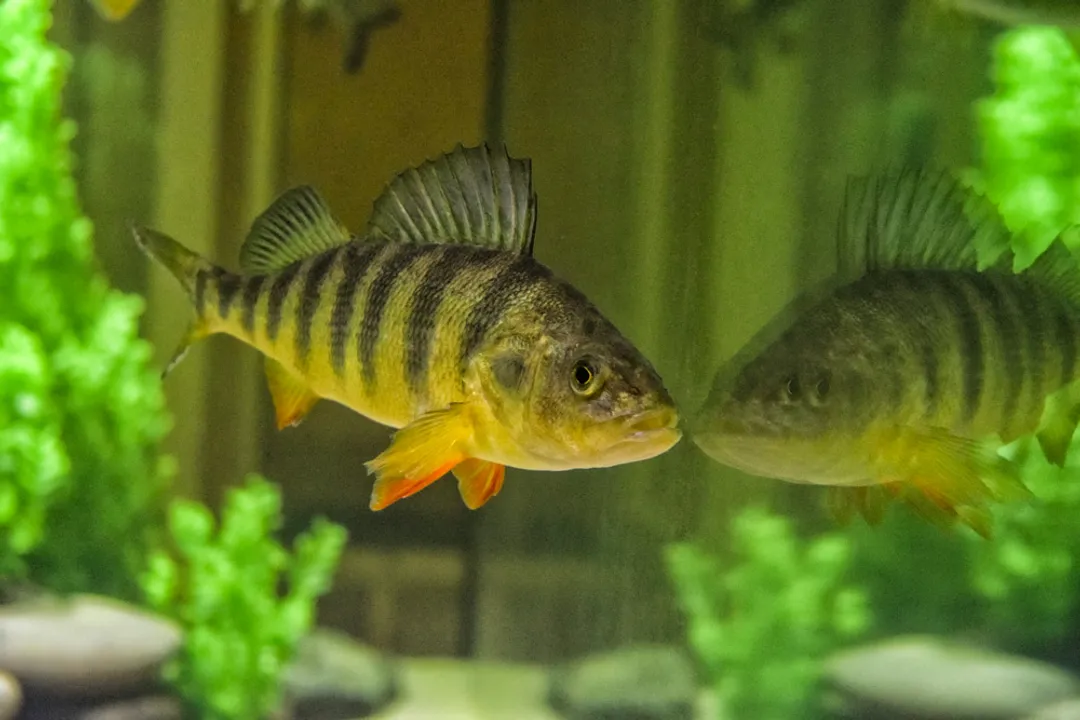
Despite the dramatic shifts in species consumed throughout their life cycle and location, a core preference remains consistent for yellow perch when actively pursuing a meal. Whether they are targeting small, wriggling blackworms in an aquarium or chasing a darting minnow in a lake, the underlying attraction is dual-natured: the prey must demonstrate movement, triggering the instinct to chase, and it must offer high nutritional value, which is supplied by protein sources found in live invertebrates and fish. This preference for high-calorie, active prey explains why mimicking movement is so crucial for anglers.
Related Questions
What dominates the diet of newly hatched yellow perch fry, often measuring less than half an inch long?What term describes the major feeding milestone where adult Perca flavescens consume other fish?Why might yellow perch feeding become less active midday in very clear lakes?If local studies show the primary forage fish is the rainbow smelt, what should an angler targeting perch prioritize?What food items are incorporated when juvenile yellow perch transition beyond the initial zooplankton stage?If stocked perch remain in their juvenile feeding stage too long, what common negative impact occurs in the lake ecosystem?Which food category is identified as critical for yellow perch growth into trophy sizes?In weedier, shallower systems, where do yellow perch primarily feed heavily on benthic invertebrates?What two characteristics define the consistent preference observed in actively feeding yellow perch, even across varied diets?What does the observation of only zooplankton in adult yellow perch stomachs imply about the lake system?