What is the behavior of a yellow perch?

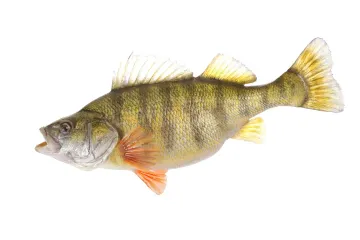
The yellow perch, Perca flavescens, is a familiar and often sought-after freshwater fish across North America, recognized by its olive-yellow back, brassy sides marked by six or seven distinct dark vertical bars, and a pale belly. [1][6] Its widespread distribution, spanning from the northern reaches of the continent down into the mid-Atlantic states, means anglers and biologists encounter its distinct behaviors frequently. [5][8] Understanding what drives this species—from its feeding habits to its social dynamics—offers a window into the health of the many lakes and rivers it inhabits. [4]
# Feeding Patterns

The diet of the yellow perch shifts significantly as it grows, a common pattern in many fish species where energy needs change with size and maturity. [1][8] Younger, smaller yellow perch primarily consume zooplankton, microscopic drifting organisms that form the base of many aquatic food webs. [3][6] As they mature, their diet transitions toward larger prey items, becoming increasingly carnivorous. [1]
Once they reach a certain size, perhaps around four inches in length, they begin actively preying on small invertebrates, insect larvae, and small crustaceans like amphipods. [1][9] Larger adults are notably more predatory, readily consuming smaller fish, a phase often referred to as the piscivorous stage. [1][8] In some systems, they may also consume fish eggs or even small amounts of plant matter if other food sources become scarce. [1]
The efficiency with which a perch transitions its diet impacts its survival. The juvenile phase, heavily reliant on plankton, can be a critical bottleneck. If a body of water lacks sufficient, high-quality zooplankton blooms, the subsequent cohorts of young perch may fail to grow quickly enough to avoid predation from older perch or other larger fish, regardless of how ideal the water temperature is for spawning. [3][8] This means that for a population to thrive, the base of the food web must be strong enough to support the initial growth spurt of the young-of-the-year fish. [4]
# Social Structure
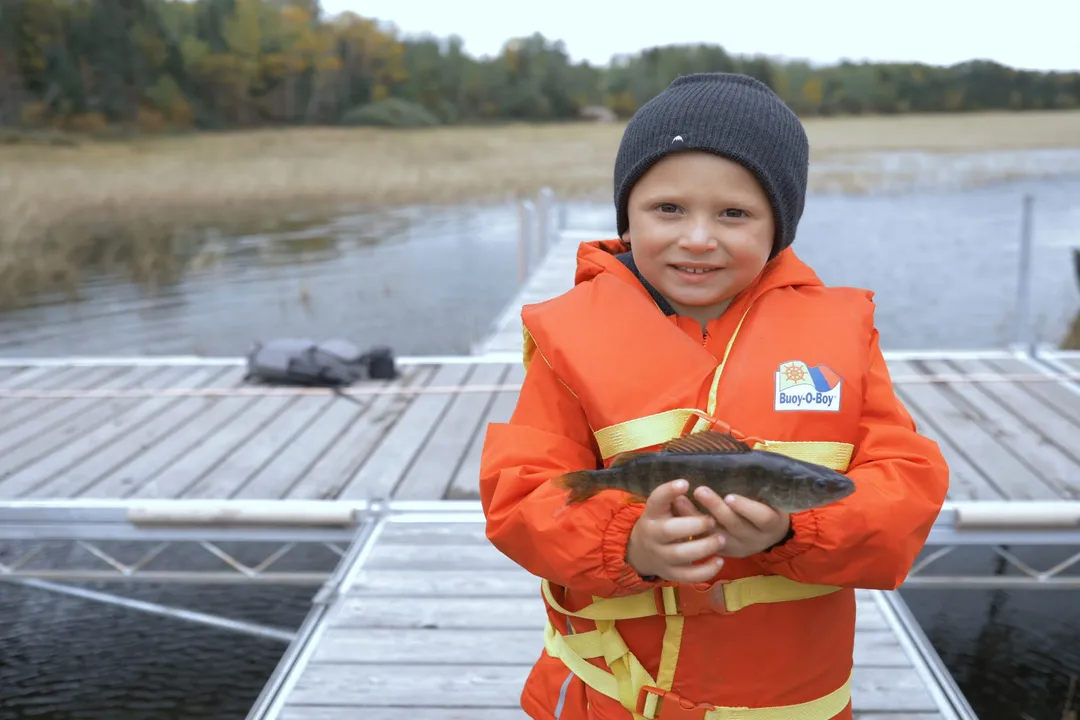
Yellow perch are highly gregarious fish, almost always found living in schools. [1][4] This schooling behavior serves several functions, primarily protection from predators and increased efficiency when hunting. [1] The size of these schools can vary substantially depending on the environment and the time of year, sometimes involving hundreds or even thousands of individuals. [4]
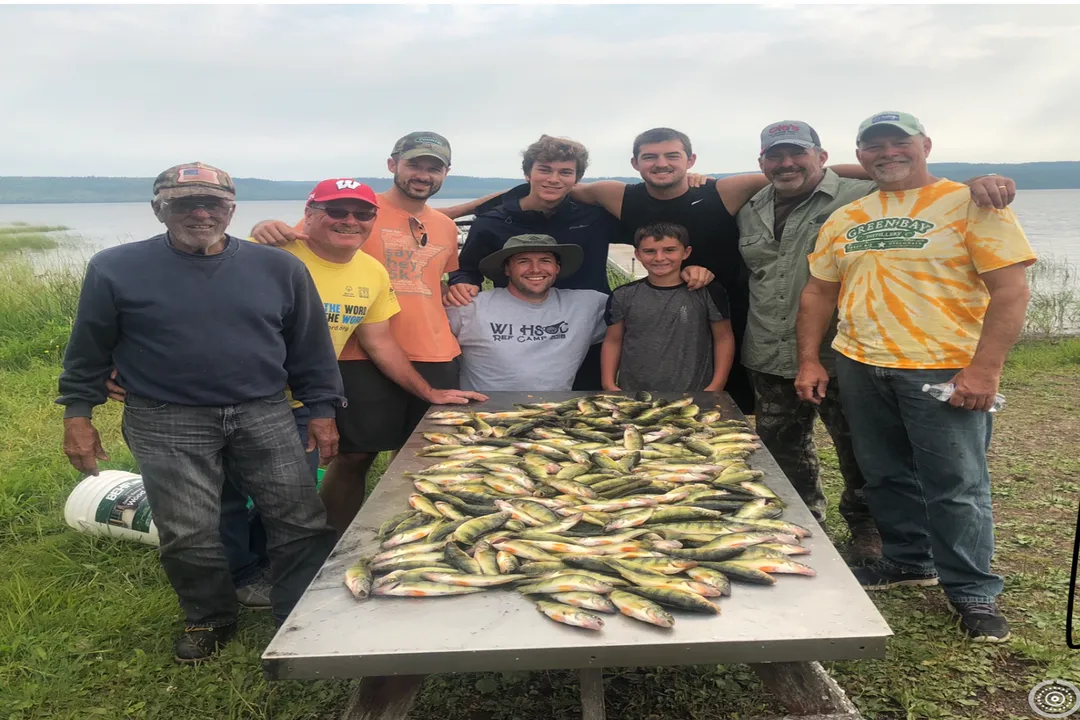
When an angler hooks into one yellow perch, the immediate assumption should be that others are very close by. Because they aggregate in these tight social units, finding one often means you have found the entire local grouping. [2] The depth and location where the first fish is caught often dictate where the rest of the school will be holding at that moment, making the initial successful cast the key piece of intel for the remainder of the fishing session. [9]
These schools often segregate themselves based on size, meaning you might find a school composed entirely of smaller, younger fish in one area, and a separate school of large adults elsewhere, though overlap certainly occurs. [4] This size segregation is likely tied to feeding efficiency and minimizing cannibalism risk, as larger fish are better equipped to handle the same prey as the smaller ones if the schools mix too frequently. [1]

# Water Use
Habitat preference for yellow perch is quite flexible, which contributes to their wide distribution. [5] They are generally found in cool, clear waters, though they can tolerate a range of conditions. [6] They thrive in lakes, ponds, and slow-moving rivers. [3][8] While they are native to many northern and midwestern states and Canada, [1][4] they have been introduced to various other regions, sometimes with mixed ecological results. [5][7] In areas where they are not native, such as some waters on the West Coast, they can become prolific and potentially outcompete native species for resources. [7]
In terms of depth, yellow perch are frequently found in the main body of the water column rather than exclusively hugging the bottom, especially when actively feeding or schooling. [6] During warmer summer months, schools often move to deeper, cooler waters to maintain a preferred temperature range. [3][8] Conversely, during the spring months leading up to spawning, they move into shallower areas near the shoreline to facilitate reproduction. [6][8]
It is worth noting that water clarity appears to be an important factor for them. Clear water is often cited as ideal habitat. [6] This preference might be related to their visual hunting strategy, which is most effective in bright conditions where they can spot prey silhouettes against the light coming from above. [9]
# Reproduction Cycle

The reproductive cycle of the yellow perch is a distinct seasonal event, usually occurring in the spring once the ice has melted and water temperatures begin to rise, typically between 45 and 60 degrees Fahrenheit. [3][6][8] This spawning behavior generally occurs in shallow waters, often near protected bays, stream mouths, or areas with submerged aquatic vegetation. [6][8]
Unlike some fish that build nests or bury their eggs, the yellow perch employs a broadcasting method. The female releases long, gelatinous ribbons or strands of eggs, which can contain anywhere from 20,000 to nearly 50,000 eggs per pound of body weight. [1] These ribbons are often draped over underwater vegetation, submerged roots, or logs. [3][4] The male then fertilizes the mass externally. [1]
A key behavioral difference here compared to other popular sport fish is the lack of parental care. [4] Once the eggs are laid and fertilized, the adults offer no further protection or attention. The survival of the resulting embryos is entirely dependent on the quality of the substrate they adhere to and the environmental stability of the shallow water until hatching occurs. [1] The sticky nature of the egg mass is crucial for keeping them anchored until the fry emerge, which can take anywhere from one to three weeks, depending on the water temperature. [3]
# Seasonal Movement
The movement of yellow perch is closely tied to feeding opportunities and reproduction, making their locations relatively predictable if one tracks the seasons. [8] In the late fall and early winter, after temperatures drop but before the water freezes solid, perch often form large schools and feed heavily in deeper areas to build up fat reserves for the winter. [3]
When the lakes freeze, schools frequently move into shallower waters again, sometimes remaining active just beneath the ice, making them prime targets for ice anglers. [2][9] This mid-winter concentration in shallower areas is a major behavioral trait that anglers key in on. [4]
Once spring arrives and warming trends begin, the impetus shifts to spawning. This initiates a movement from deeper, cooler wintering grounds into the shallow littoral zones. [6][8] After spawning is complete, the adults typically disperse back into deeper, more open waters for the summer months, though feeding schools may still patrol areas where insect hatches or baitfish schools are abundant. [3]
Observing the difference in location between juvenile and adult schools throughout the year is insightful. While adults follow temperature and large prey movements, the young-of-the-year fish might remain closer to weedy cover in shallower water for longer periods, using the structure for protection as they grow, even after the main spawning rush is over. [1][4] This means a successful angler targeting a mixed-size population in summer needs to cover more vertical and horizontal water than one targeting a homogeneous school of large fish in winter.
# Size and Growth
Yellow perch are relatively small fish compared to their relatives like walleye, though they are prized for their excellent table fare. [2] In most waters, they reach maturity around two to three years old, typically measuring between 6 and 10 inches in length. [3][8] While some individuals can grow larger, specimens exceeding 14 inches are uncommon in most natural populations. [6] The maximum recorded size is generally cited around 19 inches, but such giants are rare exceptions. [1]
Their growth rate is heavily dependent on food availability and water temperature, as noted in their feeding habits. [3] In nutrient-rich, productive waters, they grow faster and reach a harvestable size sooner than in colder, oligotrophic (low nutrient) lakes. [9]
| Age Group (Approximate Years) | Typical Length (Inches) | Primary Dietary Component |
|---|---|---|
| 0+ (Juvenile) | 1–3 | Zooplankton |
| 1–2 | 4–7 | Small Invertebrates, Insects |
| 3+ (Mature) | 7–10+ | Small Fish, Crustaceans |
| [3][6][8] |
This table illustrates the direct link between age and diet, which reinforces the ecological pressure on younger, less mobile fish. [1] The species demonstrates significant longevity potential, sometimes living for over a decade in ideal conditions. [1]
The yellow perch occupies an important ecological niche, serving as both a significant consumer of plankton and invertebrates, and as a crucial forage fish for larger predators like northern pike, muskellunge, and walleye. [8] In systems where yellow perch populations are robust, they support a healthy higher trophic level. [3] However, in certain areas, particularly where they have been stocked outside their historical range, their intense grazing on zooplankton can sometimes reduce food resources available to larval stages of native sport fish, leading to management concerns. [5][7]
Related Questions
#Citations
Perca flavescens (American perch) | INFORMATION
Everything You Need To Know About Yellow Perch
Yellow Perch
Yellow Perch
Yellow Perch (Perca flavescens)
Maryland Fish Facts: Yellow Perch
Yellow Perch | Oregon Sea Grant
Yellow Perch | Virginia DWR
10 Yellow Perch Facts