What specific characteristic does the specific epithet *polymorpha* suggest about *D. polymorpha*?
Answer
Its varied shape and color
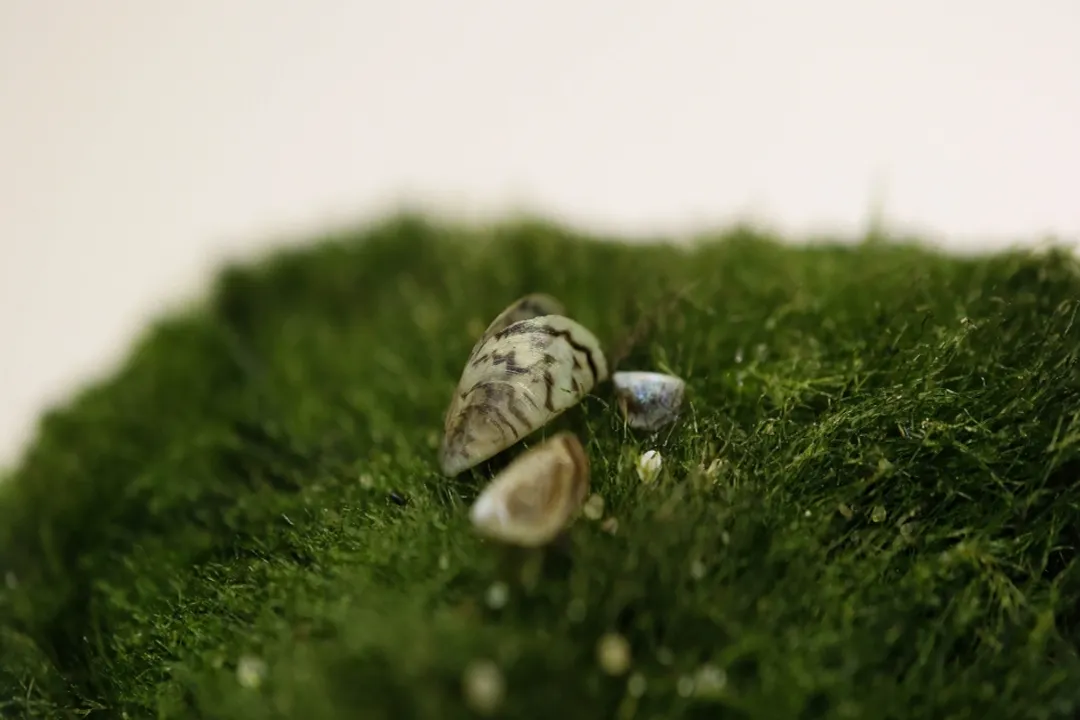
The specific epithet in a binomial name often provides a clue regarding the morphology or key feature of a species, and *polymorpha* is no exception for the Zebra Mussel. This term directly points to the organism's notable characteristic of exhibiting varied shape and color. This variation is not arbitrary but is often contingent upon the specific habitat conditions where the mussels are developing. This morphological plasticity can sometimes complicate identification for non-experts, which is why relying on the formal Linnaean system remains paramount. This variation contrasts with the consistent, though striped, appearance usually associated with common names.
Related Questions
Where did the Zebra Mussel, *Dreissena polymorpha*, originally originate?What Class classification places *D. polymorpha* within the Mollusca group alongside snails and squid?What is the microscopic, free-swimming larval stage of *D. polymorpha* that serves as a vector for long-distance transport?Which family classification distinguishes *D. polymorpha* taxonomically from native North American freshwater mussels?What specific characteristic does the specific epithet *polymorpha* suggest about *D. polymorpha*?How does the intense filtering capacity of dense *D. polymorpha* mats impact the aquatic food web base?Why is the formal Linnaean system necessary when resource managers discuss *D. polymorpha* infestations?What conditions must be met for *D. polymorpha* adults to survive for extended periods after being removed from the water?Which closely related species is mentioned as sometimes causing common name confusion with *D. polymorpha*?In the binomial nomenclature, what does the genus name *Dreissena* primarily serve to group?