Zebra Shark Scientific Classification
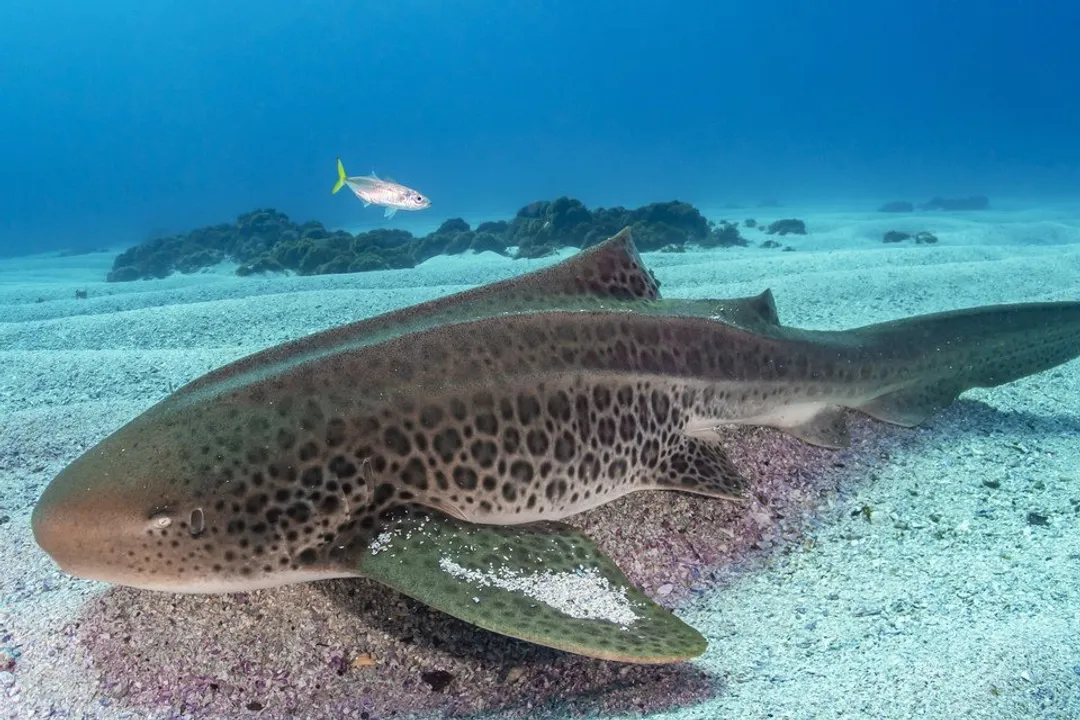
The journey into the scientific placement of the Zebra Shark begins at the broadest possible grouping, establishing its fundamental place within the tree of life. This remarkable creature belongs to the Kingdom Animalia, [3][6] marking it as a multicellular, eukaryotic organism that heterotrophically obtains energy by consuming other organisms. [1] From there, its classification moves to the Phylum Chordata, [3][5][6][7] a group defined by possessing, at some stage in their life cycle, a notochord, a dorsal hollow nerve cord, pharyngeal slits, and a post-anal tail. [5] Within the Chordates, the Zebra Shark resides in the Subphylum Vertebrata, confirming it possesses a backbone or vertebral column, distinguishing it from invertebrate chordates. [5]
# Cartilage Skeleton
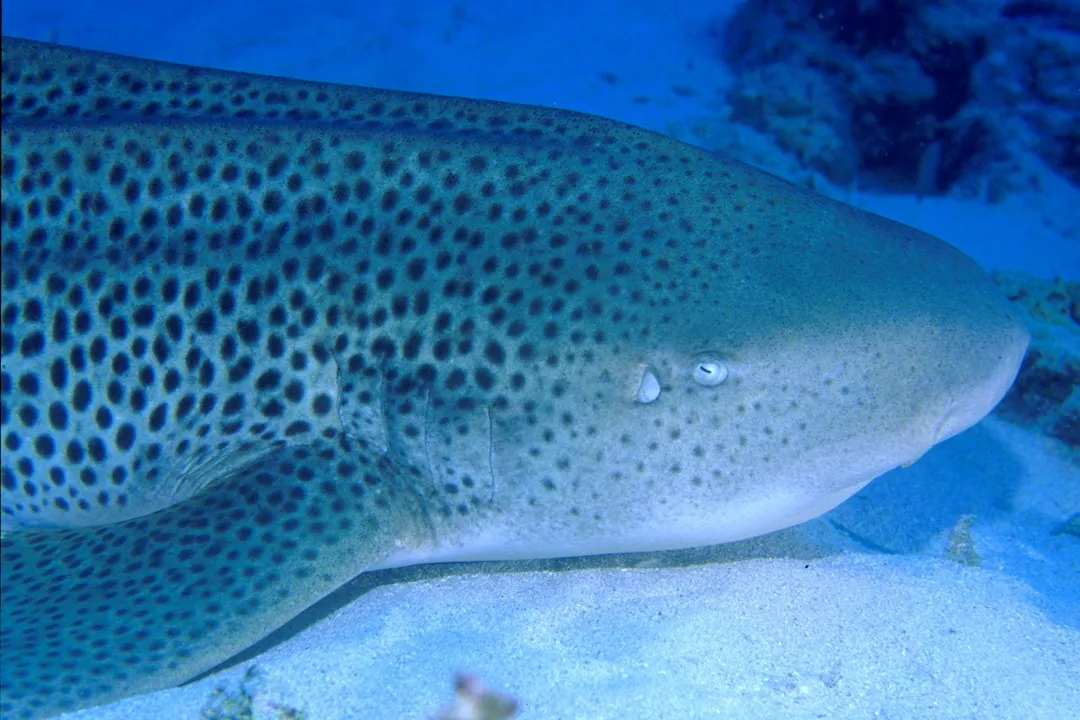
Moving down the hierarchy, the Class designation is where the Zebra Shark truly separates itself from the bony fishes we are more familiar with. It is a member of Class Chondrichthyes, [2][3][5][6][7] the cartilaginous fishes. This name, derived from the Greek words for "cartilage" and "fish," is the defining characteristic of this class, meaning their skeletons are composed primarily of cartilage rather than bone. [7] This skeletal difference provides them with flexibility and generally less density than bone, contributing to their buoyancy in the marine environment. [7] This class encompasses all sharks, rays, and chimaeras, setting the stage for the specific group the Zebra Shark calls home.
# Carpet Shark Order
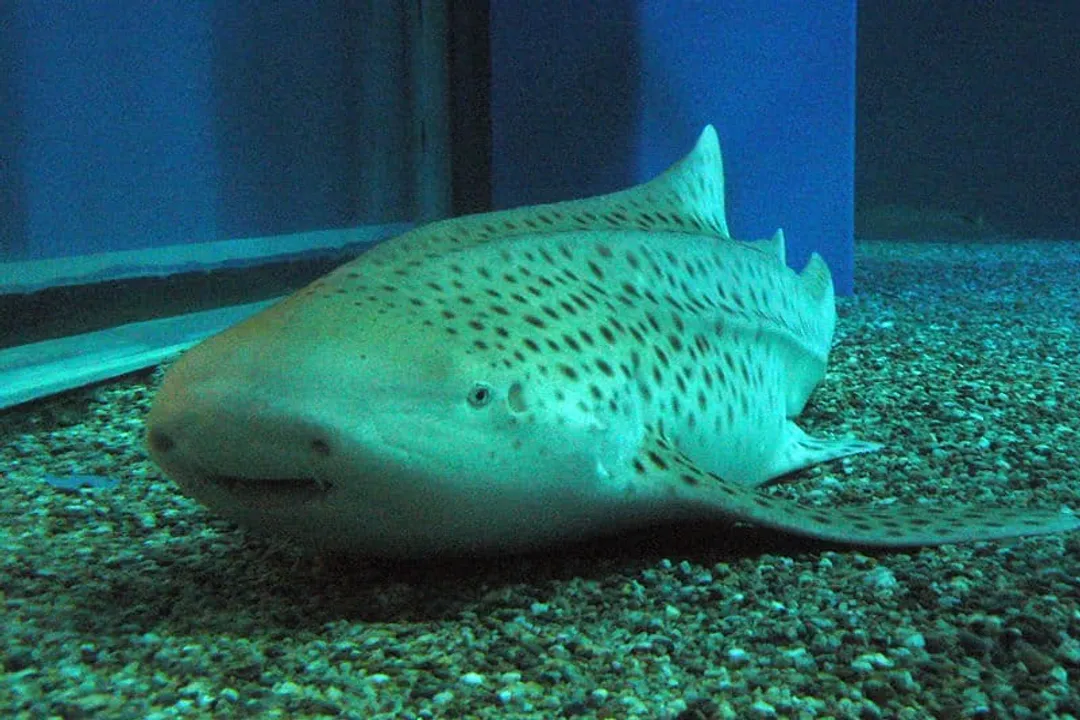
The next step in precise classification places the Zebra Shark within the Order Orectolobiformes. [2][3][5][6][7][8][9] This group is often referred to as the Carpet Sharks. [2][7] While the adult Zebra Shark's appearance—slender body, prominent ridges, and spotted pattern—might not immediately evoke images of the flattened, bottom-dwelling wobbegongs typically associated with the carpet shark moniker, its placement here is based on more fundamental anatomical and evolutionary traits. [2][7][8] For instance, compared to more active, open-ocean sharks, the Orectolobiformes generally exhibit adaptations suited to a more benthic or bottom-dwelling existence, which aligns well with the Zebra Shark's daytime resting behavior, often propped up on its pectoral fins on the seafloor. [1][8]
This order placement becomes even more insightful when considering the shark’s feeding habits. The Zebra Shark employs a specialized, suction-feeding mechanism, utilizing strong buccal cavity muscles to vacuum prey from crevices in the reef. [3][8] This method of procuring food—mollusks, crustaceans, and small bony fish—from sheltered reef structures is quite typical of many species grouped within the Orectolobiformes, suggesting a shared evolutionary trajectory favoring intricate coastal foraging over open-water pursuit. [1][4][7]
# Family Placement
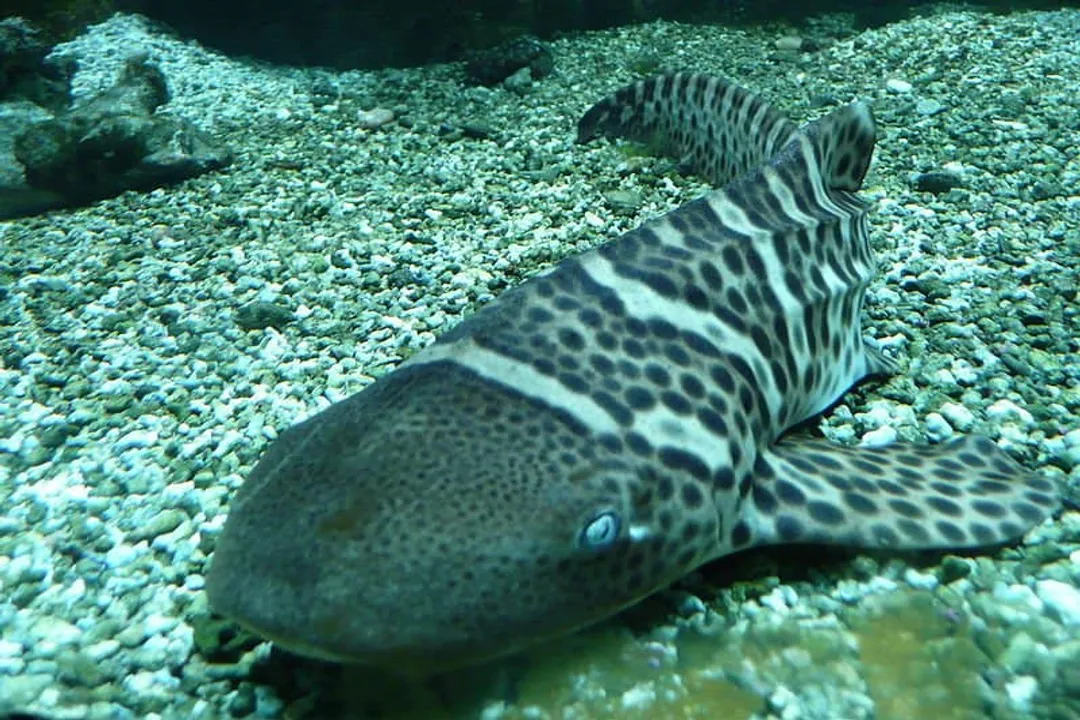
Within the Orectolobiformes, the Zebra Shark is nested in Family Stegostomatidae. [2][3][5][6][7][8][9] This family is distinct, and remarkably, the Zebra Shark is currently the only recognized species within the genus Stegostoma. [8] The family designation groups sharks that share defining morphological features, such as having five gill slits, with the fourth and fifth sometimes partially fused. [2] Furthermore, the structure of the fins and the presence of prominent ridges along the body—though these ridges can be lost or altered as the shark matures—help secure its position here. [2][4]
# Genus Debate
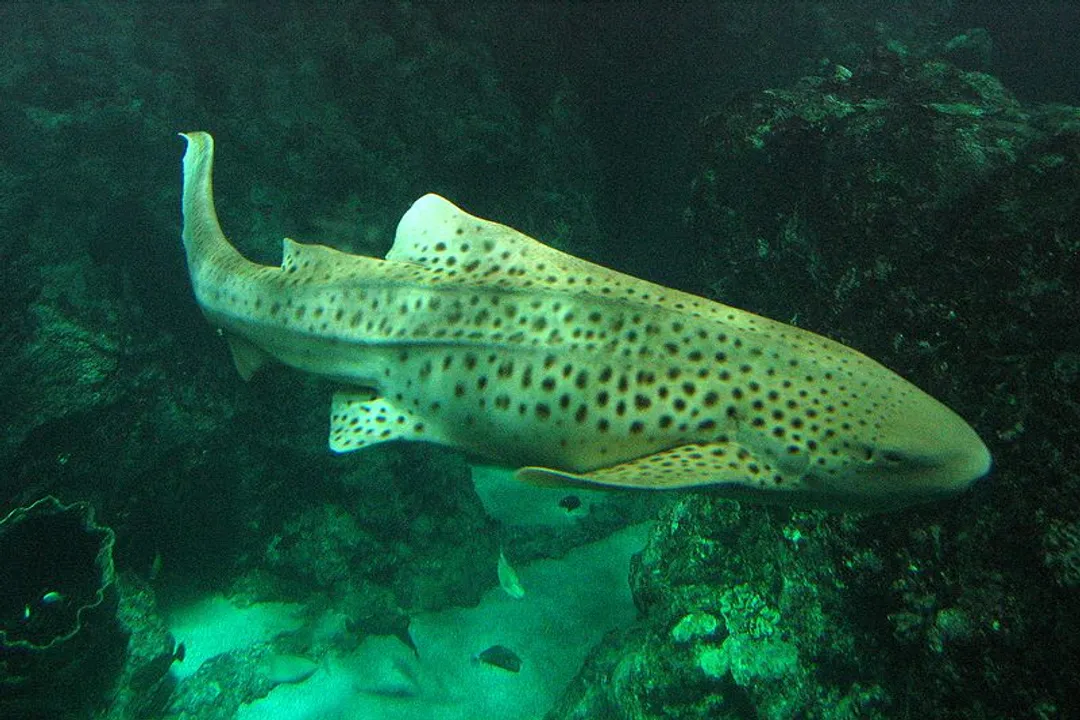
The placement at the Genus level, Stegostoma, is central to understanding the common naming confusion surrounding this species. The genus name itself is a fascinating combination of Greek words: stego, meaning "cover," and stoma, meaning "mouth". [2][8] This etymology directly references a key physical trait: the thick, membranous bulge on the snout that effectively conceals the upper jaw and the mouth opening. [2]
The history of this genus is fraught with taxonomic revision, a situation not uncommon in marine biology where life stages appear drastically different. For many years, the name Stegostoma fasciatum was the accepted scientific designation for this shark. [4][8] However, the juvenile—with its dark brown skin and striking vertical yellow stripes—was so morphologically distinct from the adult—which is typically yellowish or tan with dark spots—that scientists sometimes mistook them for two separate species. [2][3][8] This ontogenetic pattern change, where stripes break up into spots as the shark grows, created a significant challenge for initial classification. [2][8]

# Name Resolution
The most crucial aspect of the current scientific classification involves resolving the naming conflict. While S. fasciatum was long utilized, [4][8] and Stegostoma varium was occasionally suggested, [3] a significant taxonomic review conducted in 2019 concluded that the senior synonym—the oldest available valid name—is Stegostoma tigrinum (Forster, 1781). [2][7][9] Consequently, S. fasciatum (Hermann, 1783) is now largely regarded as a junior synonym in contemporary literature. [2][9] The species name tigrinum is Latin for "of tigers," an apt description for the juvenile's banded pattern. [2][9]
This taxonomic refinement from fasciatum to tigrinum is more than just rearranging labels; it has practical implications, especially in conservation. When older studies catalogued the shark using S. fasciatum, contemporary research using S. tigrinum must carefully account for this synonymy to ensure accurate population assessments are merged. If a researcher is reviewing global catch data or historical ecological observations, failing to cross-reference both names could lead to underestimating the true scope of historical population health or fishing pressure across the species’ entire Indo-West Pacific range. [2][4][8] Maintaining precision in nomenclature, therefore, directly contributes to better-informed conservation strategies, such as those being developed by the IUCN. [1][8]
# Pattern Polymorphism
The physical transformation undergone by S. tigrinum serves as a natural illustration of why its classification was historically muddied. The newborns, or pups, are dark brown or blackish with distinct, narrow white or yellow bands. [2][3][8][9] These bands often encircle the body and tail, giving the shark its common name, the Zebra Shark. [3][8] Interestingly, these striped juveniles are rarely seen by divers, suggesting they inhabit deeper waters initially. [1][4]
As the shark grows, the pattern transitions through a "sandy" or "transitional" phase where the stripes break up into dots, eventually leading to the adult coloration. [2][9] The adult typically displays a lighter background—beige, yellow, or tan—adorned with numerous dark brown or black spots. [1][4][7][8] The longitudinal ridges present in the juvenile also diminish or disappear in the adult form. [4][8] Furthermore, distinct color morphs exist; alongside the primary striped/spotted form, there is a "sandy" morph whose adults have a uniformly sandy beige appearance dotted with tiny dark brown freckles. [2] This ability to inhabit marine, brackish, and even occasional freshwater habitats within the tropical Indo-West Pacific adds another layer of ecological complexity to this single, evolving classification. [2][4][8]
# Conservation Context
Understanding the species' classification also frames its vulnerability status. While the global population of Stegostoma tigrinum is listed as Endangered by the IUCN due to threats from inshore fisheries and habitat degradation, the Australian coastal population is often listed as Least Concern. [3][8] This stark contrast underscores the power of localized management, as Australia's protected reef systems appear to buffer that specific subpopulation from the intense fishing pressure seen elsewhere in the species’ range. [8] The genus Stegostoma is unique in that its members are oviparous, laying large, tough egg cases anchored to the bottom by hair-like fibers, a reproductive strategy that potentially makes local populations more susceptible to localized habitat destruction than species with shorter larval dispersal phases. [1][7]
A truly astonishing biological detail relevant to its evolutionary placement is the documented ability of female Zebra Sharks to reproduce asexually through parthenogenesis. [3][8] This means an unfertilized egg can develop, resulting in offspring that are essentially clones of the mother. [8] Documented cases of this in captive individuals, such as Leonie in Australia and Zebedee in Dubai, confirm this potential backup reproductive strategy, a fascinating adaptation that speaks to the evolutionary resilience built into this unique, cartilaginous lineage. [3]
To truly appreciate the scope of this single species' classification, it is helpful to visualize the taxonomic structure from the top down, recognizing how each rank narrows the focus, leading to the unique combination of features found in S. tigrinum.
| Rank | Scientific Name | Common Context/Feature | Citation |
|---|---|---|---|
| Kingdom | Animalia | Multicellular, heterotrophic life | [3][6] |
| Phylum | Chordata | Possesses a notochord (at some stage) | [5][7] |
| Class | Chondrichthyes | Cartilaginous skeleton | [7] |
| Order | Orectolobiformes | Carpet Sharks, typically benthic | [2][9] |
| Family | Stegomatidae | Grouping within Carpet Sharks | [8] |
| Genus | Stegostoma | Only species in genus; Greek for "covered mouth" | [2][8] |
| Species | S. tigrinum | Latin for "tiger-like," referencing juvenile bands | [2][9] |
This detailed classification reveals that while the "Zebra Shark" is a common name reflecting a juvenile pattern, its scientific identity—Stegostoma tigrinum—now firmly anchors it within the Orectolobiformes based on consensus morphology and revised nomenclature. [2][7] An additional consideration for anyone tracking this species, whether for research or conservation awareness, is recognizing its high degree of site fidelity, meaning individuals tend to stick to the reefs where they were born or areas closely connected. [4] This localized behavior makes them particularly vulnerable to localized pollution or reef damage, even if they possess traits, like parthenogenesis, that suggest broader species resilience. [3][4] The scientific classification, thus, is not merely a list of names, but a map connecting its deep evolutionary past to its specific ecological pressures today.
Related Questions
#Citations
Stegostoma fasciatum - Zebra Shark - Animal Diversity Web
zebra shark (Stegostoma fasciatum (Hermann, 1783)) - Invasive.Org
Zebra Shark Fish Facts - Stegostoma Fasciatum - A-Z Animals
Stegostoma tigrinum, Zebra shark : fisheries, gamefish - FishBase
Zebra Shark (Stegostoma fasciatum) | U.S. Fish & Wildlife Service
Zebra Shark, Stegostoma tigrinum (Forster 1781) - Australian Museum
Zebra Shark – Discover Fishes - Florida Museum of Natural History
Zebra shark - Stegostoma fasciatum
Zebra Shark, Stegostoma tigrinum (Forster 1781) - Fishes of Australia