How does the intense filtering capacity of dense *D. polymorpha* mats impact the aquatic food web base?
By removing phytoplankton, thereby impacting zooplankton and subsequent fish populations
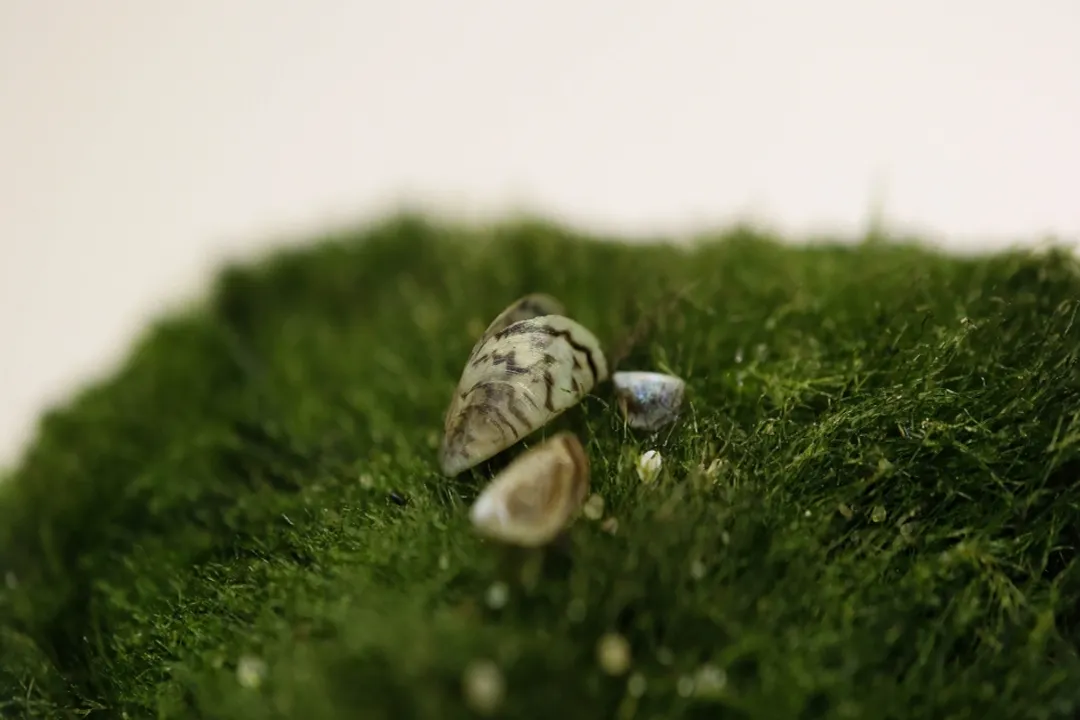
The ecological disruption caused by *Dreissena polymorpha* stems directly from its function as an extremely efficient filter feeder. These mussels remove phytoplankton and other fine particles from the water column at extraordinary rates, especially when forming dense mats that can host tens of thousands of individuals per square meter. Phytoplankton form the base of the aquatic food web. By dramatically reducing the concentration of phytoplankton, the Zebra Mussel effectively starves the next trophic level, the zooplankton. Since fish populations rely heavily on zooplankton for sustenance, the intense filtering action of these invasive bivalves creates a systemic disruption starting at the very foundation of the ecosystem, severely altering nutrient cycling and water clarity.