Zebra Finch Scientific Classification
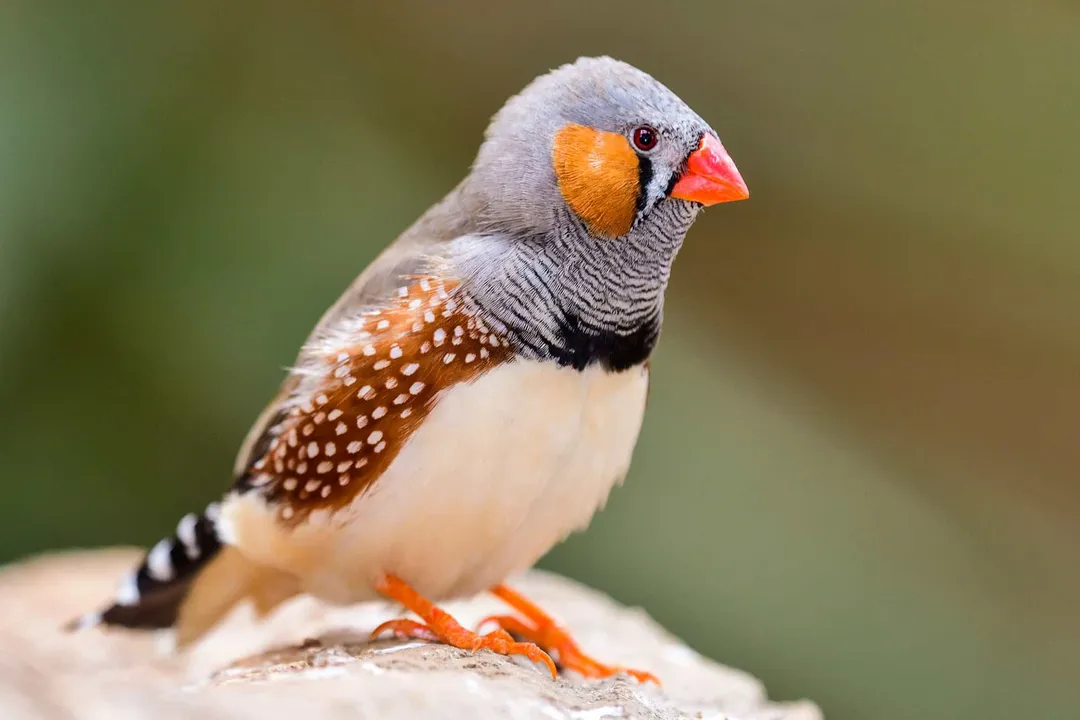
The world of ornithology relies on a precise system to name, categorize, and understand the relationships between the myriad bird species inhabiting the globe. For the small, energetic Zebra Finch, a bird instantly recognizable by its black-and-white striping that recalls the magnificent equid, its scientific classification tells a specific story of its evolutionary placement. This tiny Australian native, beloved by aviculturalists worldwide, holds a fixed position within the Linnaean hierarchy, reflecting its shared ancestry with other small perching birds.[5][2]
# Naming Convention
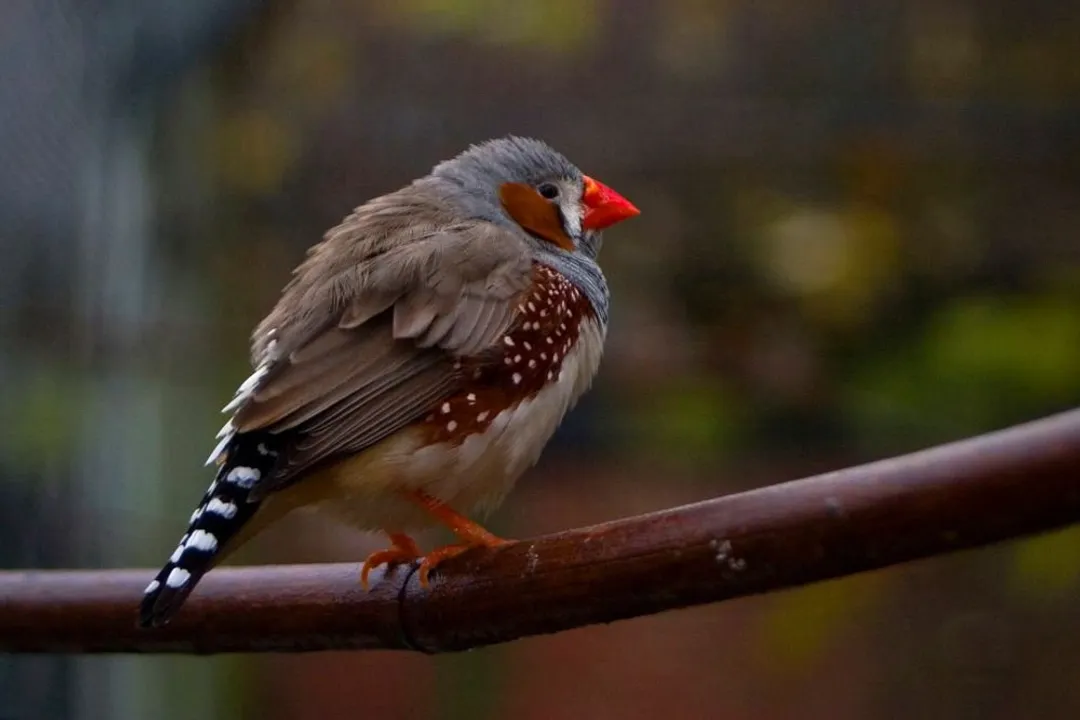
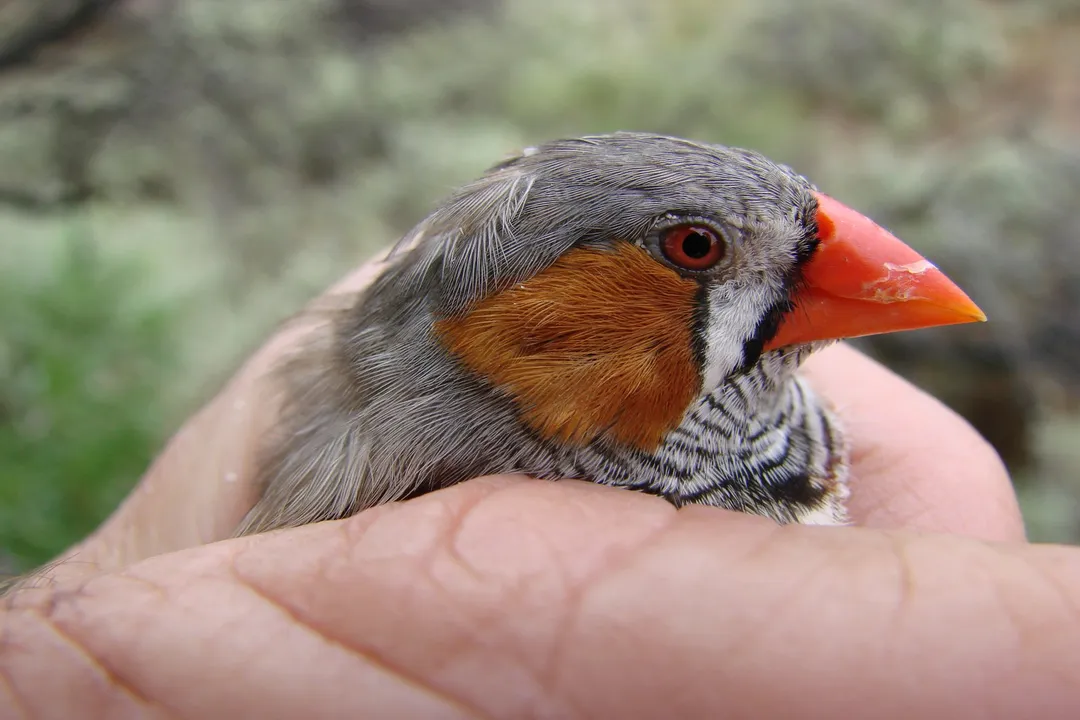
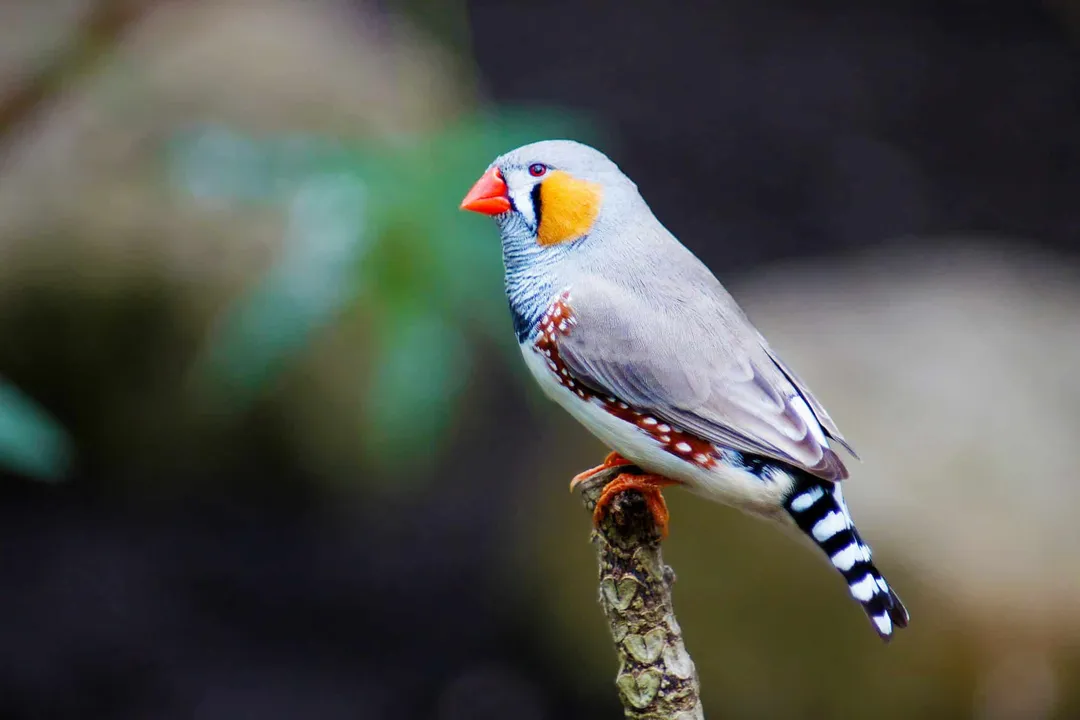
The bedrock of biological classification is the binomial nomenclature established by Carl Linnaeus, which assigns every species a unique two-part Latin name: the genus followed by the specific epithet. [9] For the Zebra Finch, this universally accepted scientific designation is Taeniopygia guttata. [1][3][6] The name itself offers clues about the creature. Taeniopygia relates to the banding or stripes seen on its plumage, while guttata refers to drops or spots, perhaps acknowledging the male's characteristic tear-drop cheek patches or the fine spotting on its flanks. [5] This formal naming system ensures that whether one is consulting literature in Sydney, London, or Tokyo, the reference is unambiguously to this one specific bird, distinguishing it from all others. [2]
# Taxonomic Ranks
To fully appreciate where Taeniopygia guttata fits, we must trace its path down the established taxonomic ranks. This structure moves from the broadest grouping to the most specific, illustrating shared characteristics at each level.
At the highest level, the Zebra Finch belongs to the Kingdom Animalia, grouping it with all multicellular, heterotrophic organisms that ingest their food. [4][9] Below this, it is placed in the Phylum Chordata, meaning it possesses a notochord (or backbone in its mature form) and is thus part of the group that includes all vertebrates. [2][9]
The next step brings us into the Class Aves, the birds, defined by feathers, beaks, and the laying of hard-shelled eggs. [2][4] From there, the classification moves into the Order Passeriformes, often called the perching birds or songbirds. This is the largest order of birds, characterized by specialized foot structure—three toes pointing forward and one pointing backward—perfectly adapted for grasping branches. [7][9]
The journey continues to the Family level, where the Zebra Finch is categorized under Estrildidae, known commonly as the estrildid finches or waxbills. [2][4][9] This placement is crucial, as it distinguishes the Zebra Finch from the "true" finches (family Fringillidae), such as the familiar goldfinch or canary, despite the common name overlap. [7] Finally, within the genus Taeniopygia, the species T. guttata stands alone, though discussions regarding potential subspecies or closely related forms do exist, which can sometimes cause minor variations in older or regional literature. [9][4]
| Taxonomic Rank | Classification for Taeniopygia guttata | Key Shared Trait |
|---|---|---|
| Kingdom | Animalia | Multicellular, heterotrophic |
| Phylum | Chordata | Possesses a spinal cord |
| Class | Aves | Feathers and wings |
| Order | Passeriformes | Specialized perching feet |
| Family | Estrildidae | Waxbill or grass finch grouping |
| Genus | Taeniopygia | Banded appearance |
| Species | guttata | The specific, recognized bird |
A subtle point in scientific literature concerns the broader grouping. While the core classification is consistent, one source notes a separate listing for the Sunda Zebra Finch, Taeniopygia bichenovii, suggesting that taxonomic authorities sometimes recognize splits or varying population classifications, underscoring that the T. guttata designation is specifically for the Australian wild type and its immediate domesticated descendants. [8]
# Family Ties Estrildidae
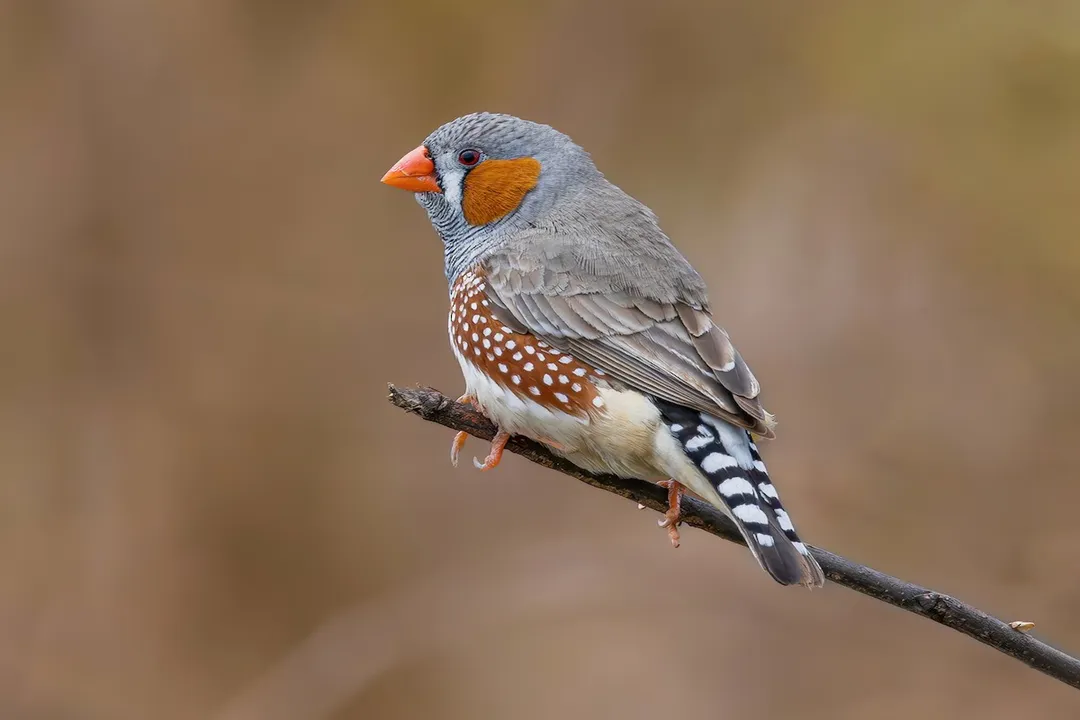
Understanding the family Estrildidae is key to understanding the bird's behavior and physiology, even when focusing purely on its scientific name. These are often small, seed-eating birds that primarily inhabit the Old World tropics and subtropics. [2] Unlike the Fringillids mentioned previously, estrildids are generally considered to have simpler vocal capabilities, although the Zebra Finch male is certainly known for his complex, learned song used in courtship displays. [2] The shared ancestry within Estrildidae means that Zebra Finches are evolutionarily closer to species like the Strawberry Finch or the Cutthroat Finch than they are to a North American House Finch, despite superficial similarities in size or habitat preference. [7] This level of classification helps researchers predict aspects of their breeding biology, diet, and social structure based on studies of related species within the same family. [4]
An interesting observation when tracing the Zebra Finch's classification against its known distribution is the contrast between its scientific identity and its global presence. Taeniopygia guttata is scientifically classified as native to the arid and semi-arid regions of central and southern Australia. [5] However, its inclusion in countless laboratories and homes globally means that a vast number of the birds alive today exist outside this native ecological niche. This phenomenon highlights a separation in taxonomy: the scientific name defines the species based on evolutionary history and wild morphology, yet its current population dynamics are heavily influenced by human intervention and selection pressure in captive settings, a factor that classification systems must balance when describing wild populations versus domestic strains. [1]
# Authority and Revision
The scientific name Taeniopygia guttata carries an implicit authority regarding who first formally described it, though the sources provided do not name the original describer or the year of description, which would normally follow the binomial name (e.g., Taeniopygia guttata ( Vieillot, 1817)). What is clear is that multiple scientific databases, from museum collections to genetic repositories, consistently adhere to this specific genus and species combination, lending it high authority within the ornithological community. [3][4]
Furthermore, the maintenance of this classification system depends on ongoing revision. While the core T. guttata designation remains stable across most major databases, differences can arise in how specific populations are treated. For instance, in some avian catalogs, subspecies might be delineated based on subtle differences in plumage color, size, or geographic isolation—a constant source of debate in taxonomy. [6] The identification of the Sunda Zebra Finch, for example, suggests that taxonomic work may sometimes lead to species splitting or reclassification based on genetic divergence, emphasizing that classification is a living, evolving process, not a static label. [8]
This stability at the species level, T. guttata, is partly attributed to its successful adaptation and wide native range within Australia, suggesting low levels of isolation that might otherwise lead to rapid speciation events within the continent's diverse habitats. [5] For general reference and for those studying the bird’s genetics in research—a common practice given its ease of breeding—the consistent NCBI taxonomy ID (id=59729) provides an anchor point, confirming its accepted placement across various biological databases. [4] For any researcher or serious hobbyist, ensuring they are using resources that cite this established Linnaean placement is vital for accurate communication regarding behavior, genetics, or conservation status. [2]
Related Questions
#Citations
Zebra Finch - Taeniopygia guttata - Birds of the World
Taeniopygia guttata (zebra finch) - Animal Diversity Web
Taeniopygia guttata castanotis (Zebra Finch (castanotis)) - Avibase
Taeniopygia guttata - NCBI - NIH
Zebra Finch - The Australian Museum
Taxon - Taeniopygia guttata (zebra finch) - WildNet
Zebra Finch - A-Z Animals
Sunda Zebra Finch (Taeniopygia guttata) identification - Birda
Zebra Finch (Taeniopygia guttata) - iNaturalist