Zebra Pleco Scientific Classification
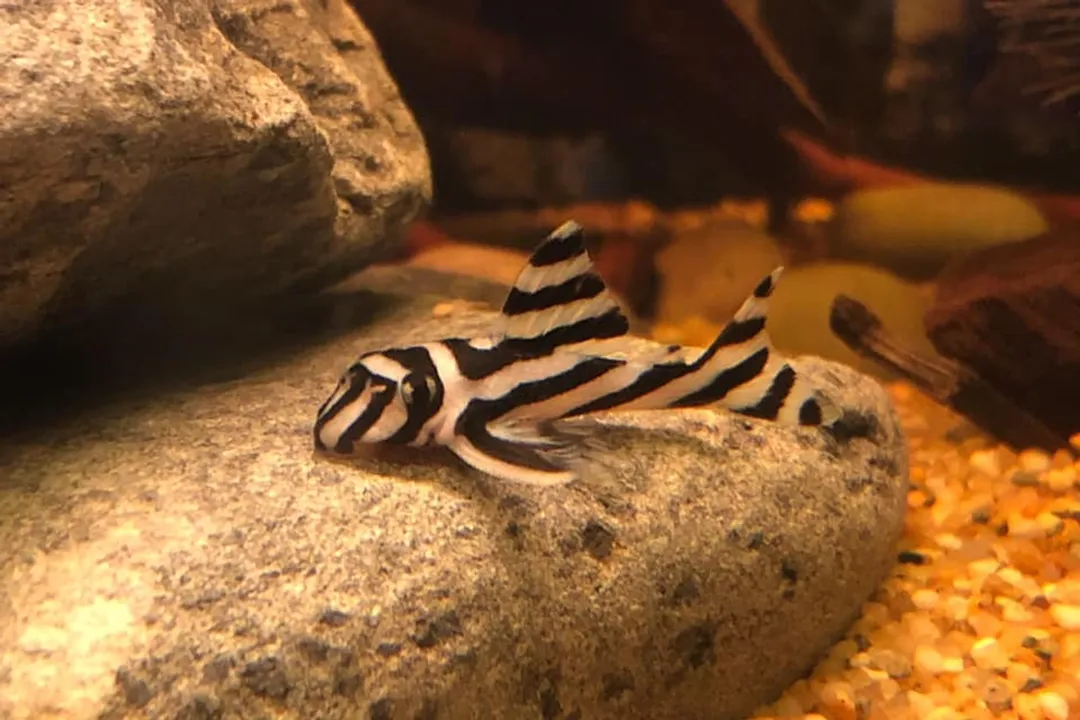
The vibrant, high-contrast striping of the Zebra Pleco makes it instantly recognizable in the aquarium hobby, yet its identity is formally secured far deeper than its captivating appearance suggests. Pinpointing exactly where this stunning fish sits within the vast tree of life requires looking past common names like L046 or L46 and consulting its precise scientific classification, which anchors it firmly within the family of armored catfish. [1][7][9] This systematic naming is crucial not just for biologists, but for anyone tracking the conservation status or specific care requirements of this highly sought-after fish, as its taxonomy dictates its evolutionary relationships and biological needs. [6]
# Formal Ranks
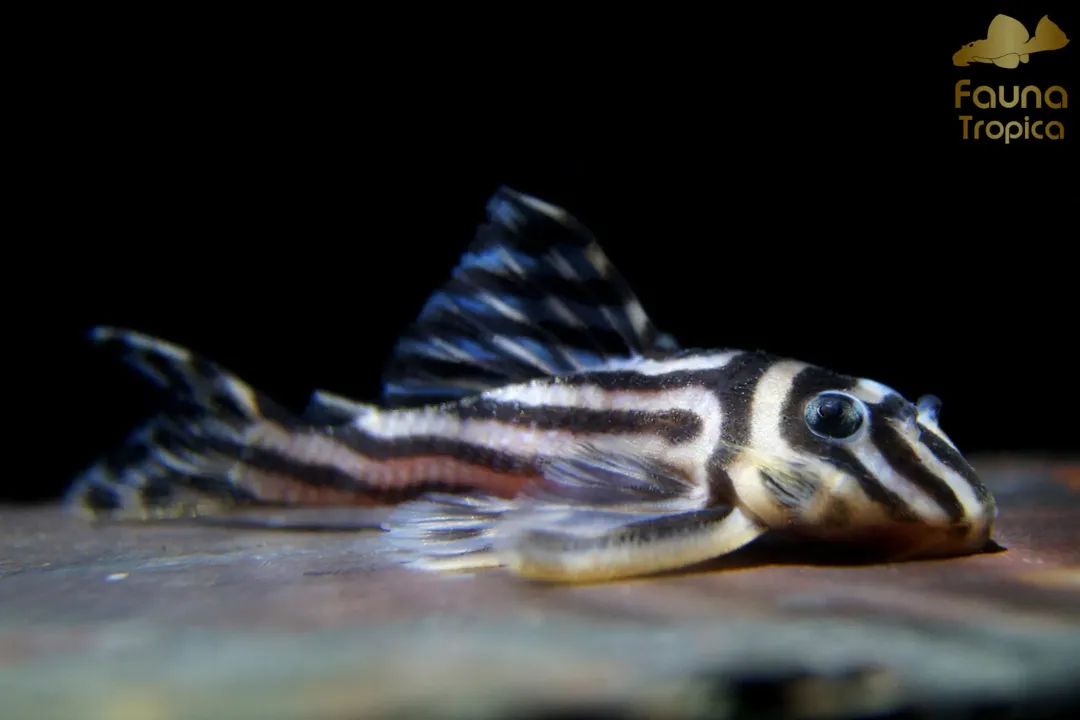
The journey through the scientific hierarchy for Hypancistrus zebra begins at the broadest level and narrows down systematically until the specific species designation is reached. [1][4]
At the top, the Zebra Pleco belongs to the Kingdom Animalia, placing it firmly in the animal kingdom. [1][4][7] Moving down, it falls into the Phylum Chordata, meaning it possesses a notochord at some stage of its life—a characteristic shared with all vertebrates. [1][4][7] Its Class is Actinopterygii, which encompasses the ray-finned fishes, a massively diverse group that forms the majority of modern fish species. [1][4][7]
The Order is where things start to specialize. H. zebra is a member of Siluriformes, the order that includes all catfishes. [1][4][7] This group is generally characterized by the presence of barbels, or whisker-like sensory organs, near the mouth, though the exact features vary widely across the order. [7]
The Family level is perhaps the most significant for aquarists seeking to understand the fish’s morphology and behavior. The Zebra Pleco belongs to Loricariidae, commonly known as the armored suckermouth catfish family. [1][4][7][9] Members of this family are famously covered in overlapping bony plates, or scutes, which provide protection, giving them their armored designation. [7][9] While many Loricariids are large, bottom-dwelling algae scrapers, the Zebra Pleco belongs to a lineage of smaller, often more carnivorous or omnivorous species within this family. [7]
# Genus Grouping
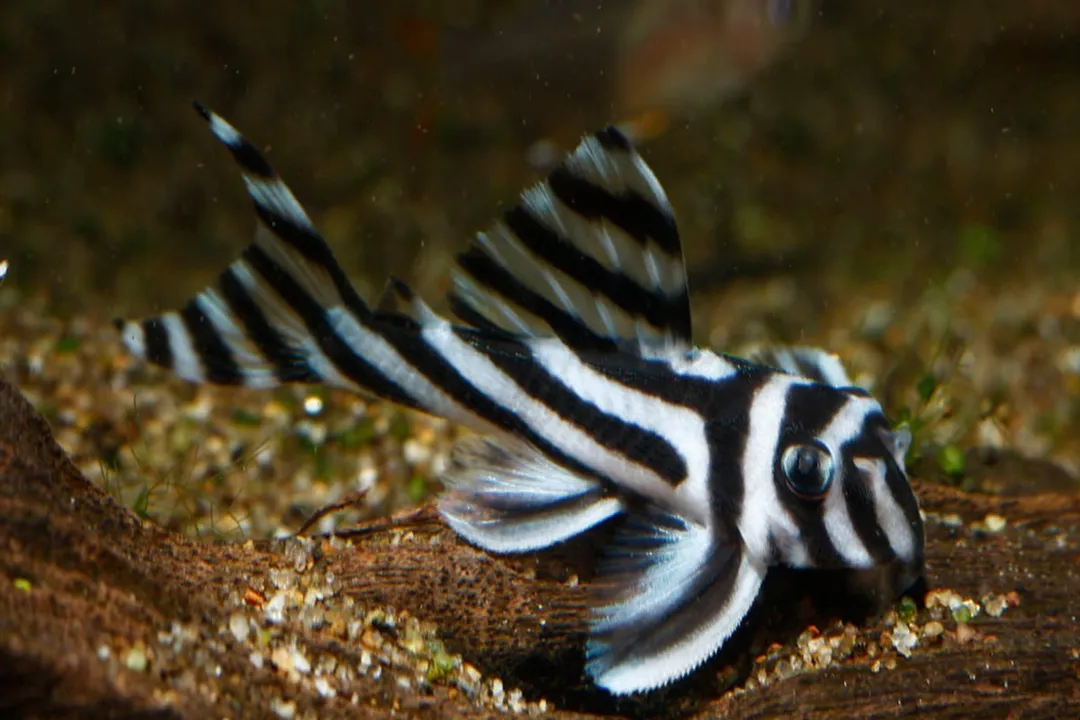
The scientific name itself is a binomial nomenclature composed of the Genus followed by the Species epithet: Hypancistrus zebra. [1][4][7] The genus, Hypancistrus, is particularly telling about this fish’s characteristics within the Loricariidae family. [7] The name is derived from Greek roots, translating roughly to "under angler," perhaps referencing the way these species often hide or dwell in shaded, cave-like areas of their habitat. [7] This contrasts with some other pleco genera known for their sheer size or pronounced suckermouth adaptations. [7]
The species name, zebra, is derived from the conspicuous black and white striping that covers the entirety of its body, a pattern that sets it apart even within the Hypancistrus genus. [1] This specific combination of genus and species identifies the fish uniquely worldwide, preventing confusion with related, but visually distinct, species such as Hypancistrus sp. L260 or H. furcatus. [1][7]
It is interesting to note that while the scientific classification remains the agreed-upon standard in biological literature, the sheer morphological diversity within the Loricariidae family means that new species are still being described, and sometimes older classifications are refined as genetic data becomes available. [7][9] The placement within Hypancistrus signifies that H. zebra shares a relatively recent common ancestor with other species in that group, suggesting similar basic requirements regarding diet and cave-dwelling behavior. [7]
# Informal Codes
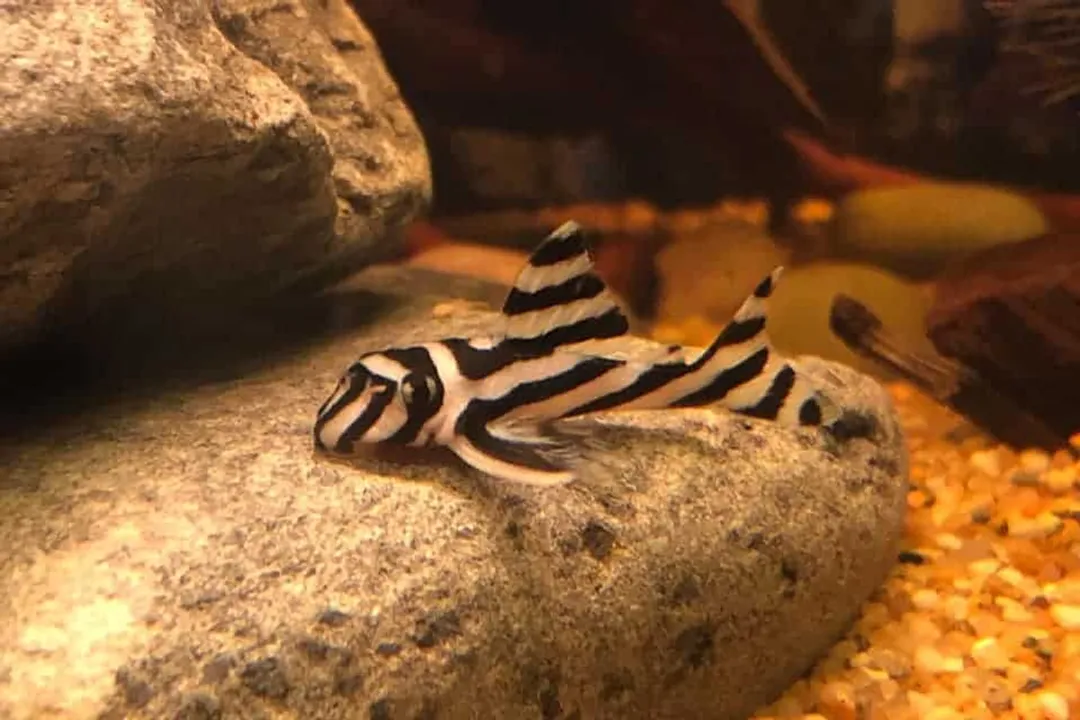
For many in the trade, the scientific name Hypancistrus zebra is secondary to the initial identifying code assigned to it: L046 or L46. [6][7] This system, developed by Dr. Heiko Bleher, categorizes Loricariids that have been imported or discovered but have not yet received a formal species description, or simply serves as a convenient shorthand. [6][7] The 'L' stands for Loricariidae, and the number, 46, denotes its sequence in the list. [7]
The existence of the L-number highlights a common divergence between formal taxonomy and popular hobby identification. While H. zebra is formally classified, the L46 designation remains in common use, providing immediate recognition among vendors and hobbyists. [6] However, an inherent risk in relying too heavily on these codes is that similar-looking species might be mistakenly grouped. For instance, another species, Hypancistrus zebra L260, shares a striped appearance, though closer inspection reveals differences in pattern density and body shape, reinforcing why the Linnaean classification of H. zebra is the ultimate authority. [7]
If you are purchasing this specific fish, verifying the scientific name alongside the L-number provides the greatest assurance of receiving the true H. zebra, as opposed to merely a similarly patterned catfish. [1][6] A practical way to gauge the supplier's expertise is to ask about its natural river system; only the true H. zebra originates from the Rio Xingu basin in Brazil. [1][6][9]
# Environmental Implications
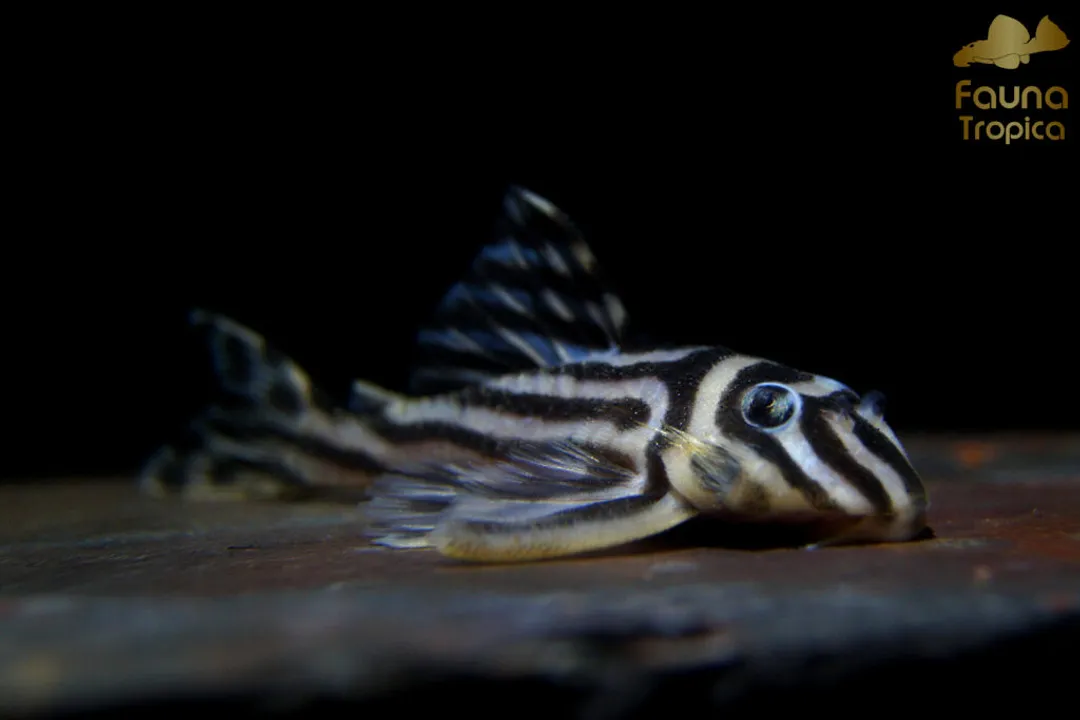
Understanding the precise scientific classification carries significant weight when discussing the Zebra Pleco's status in the wild. Being definitively classified as Hypancistrus zebra originating from the Rio Xingu river system in Brazil [1][6][9] means its entire existence is intrinsically linked to that single watershed. Unlike fish that span continents or massive river systems, the tight classification confirms its highly restricted natural range. [1] This specificity is a stark indicator of its vulnerability.
The very act of precisely classifying a species like H. zebra forces us to acknowledge the narrow window of its survival. If conservation efforts were to fail in the Xingu basin—for instance, due to proposed dam projects common in that region—the entire known wild population of H. zebra could face immediate extirpation. [1] The taxonomic definition, therefore, serves as a scientific boundary marker for a specific conservation target. When you see the official listing for H. zebra, you are not just seeing a name; you are seeing a geographic lock on its existence. Furthermore, because the genus Hypancistrus tends to occupy darker, faster-flowing sections of rivers, this specific habitat requirement is also encoded within its classification, suggesting that simple water quality parameters are not enough; their environment must mimic the physical structure of their native, rocky, flowing streams. [7]

# Taxonomy Context
The placement of H. zebra within the larger framework of the Siluriformes order offers insight into its non-algae diet. While the family Loricariidae is famous for algae-eating members, the Hypancistrus genus leans toward a carnivorous or omnivorous diet, preferring protein-rich foods like insect larvae and small invertebrates. [7] This nutritional requirement stems from its evolutionary history within its specific branch of the catfish tree, contrasting sharply with the morphology of other plecos that have evolved massive grinding plates better suited for scraping biofilm off rocks. [7][9] A common mistake among newcomers is assuming that because it is a "pleco," it only needs vegetable matter; the scientific grouping, however, points toward a need for high-quality protein to thrive in an aquarium setting.
This classification structure, moving from the broad Actinpterygii down to the specific H. zebra, demonstrates the continuous effort to organize life based on shared characteristics, both visible and genetic. The fact that the fish is stable in its current classification at the genus and species level, despite the general complexity of identifying new Loricariids, speaks to its distinct morphological traits that have allowed scientists to categorize it clearly. [1][4]
Related Questions
#Citations
Zebra pleco
Zebra Pleco Fish Facts - Hypancistrus zebra
Hypancistrus zebra, Zebra pleco : fisheries, aquarium
Zebra Pleco (Hypancistrus zebra)
How to Build a Zebra Pleco Habitat
Zebra Pleco Care - Hypancistrus Zebra
Hypancistrus zebra L46 - Information
Zebra pleco - Hypancistrus zebra
Zebra Pleco