What specialized sensory structures do Yarara rely on to locate warm-blooded prey?
Answer
Specialized heat-sensing pits
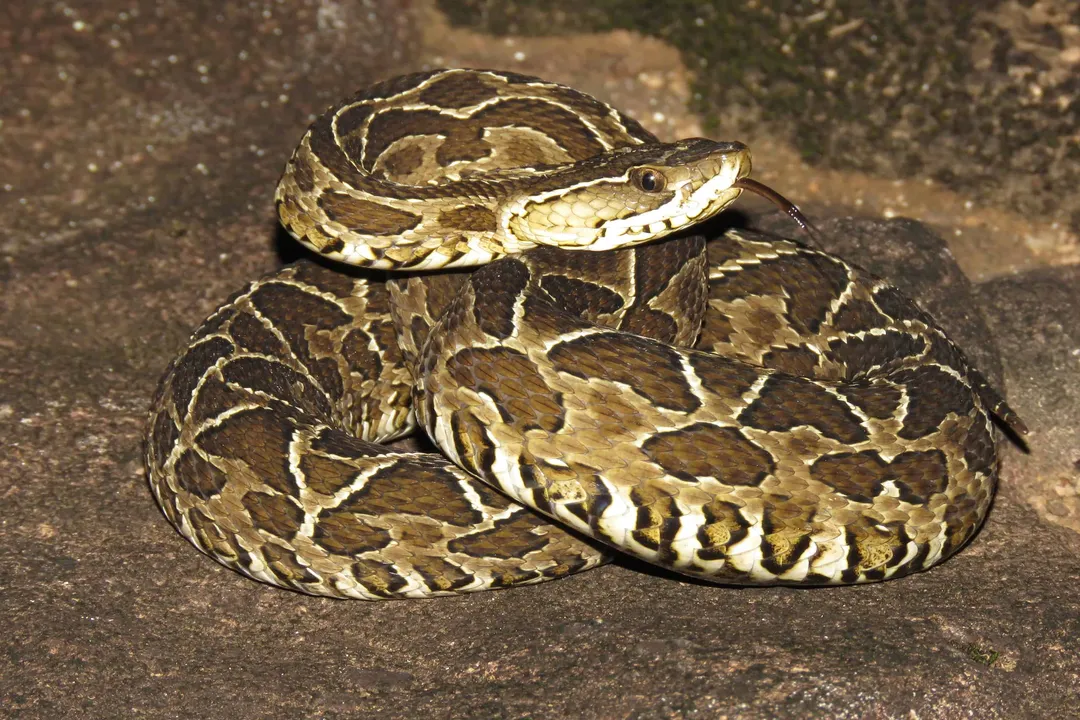
Yarara, being pit vipers within the genus Bothrops, possess highly specialized sensory organs crucial for their predatory success, especially when targeting warm-blooded animals. These organs are their specialized heat-sensing pits. These pits allow the snakes to detect minute thermal gradients emitted by endotherms, enabling them to accurately locate and strike warm, actively moving prey even in complete darkness. This reliance on thermoreception is a key adaptation that separates them from predators relying solely on sight or chemical cues for the final strike.
Related Questions
What prey do juvenile Bothrops alternatus primarily consume before shifting focus?Why is Yarara venom adapted specifically to rapidly subdue endothermic prey like rodents?According to prey categorization, which group is typically associated with Juvenile/Small snake size preference?What ecological role do the feeding habits of the Yarara complex place them in their habitats?What prey items characterize the diet reliance of Bothrops ammodytoides (Yarará Ñata) in Argentinean environments?How long can a substantial meal, like an adult rat, sustain a large Bothrops alternatus before refeeding is necessary?What specialized sensory structures do Yarara rely on to locate warm-blooded prey?Which three categories of vertebrates span the documented prey items for the various Yarara species across the group?What is the mechanism of action for the hemotoxic venom produced by Yarara snakes?What methods are used to obtain the precise composition of a Yarara's diet for detailed study?