Yarara Diet
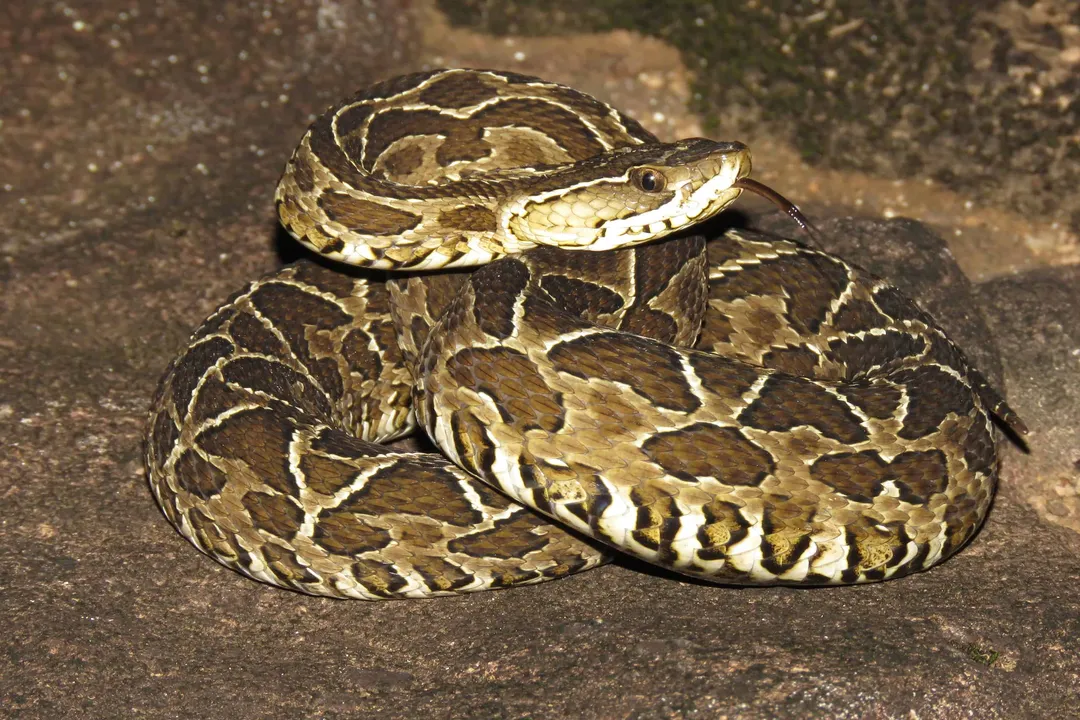
The feeding habits of the snakes broadly known as Yarara—a term frequently applied to various pit vipers within the genus Bothrops found in South America—reveal a fascinating adaptation to local ecosystems. [1][2] Understanding what these snakes consume is critical, not only for grasping their ecological impact but also for appreciating the differences between closely related species like Bothrops jararaca and Bothrops alternatus. [5][6] These vipers are primarily terrestrial or semi-fossorial predators, relying on their specialized heat-sensing pits to locate warm-blooded prey, though their diets reflect opportunistic feeding across different life stages. [6]
# Prey Spectrum
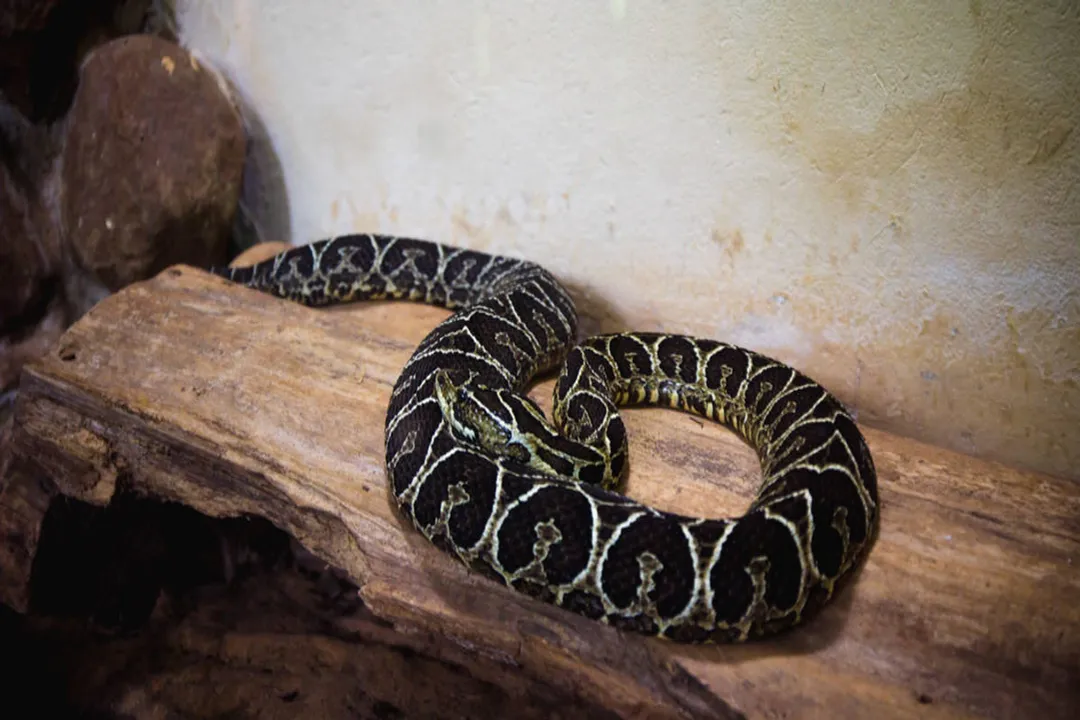
The diet of Yarara species generally centers around small vertebrates, showing a strong preference for endotherms as the snakes mature. [6] Across the group, documented prey items span amphibians, reptiles, and mammals. [7] For instance, the Bothrops jararaca has been observed preying on small mammals, birds, lizards, and frogs. [7] Similarly, the Yarará-tapete, Bothrops alternatus, begins its life hunting smaller ectotherms before shifting its focus. [6]
When examining species like Bothrops ammodytoides (Yarará Ñata), studies indicate a reliance on smaller prey items characteristic of the Argentinean environments they inhabit, often including micro-mammals and ground-dwelling birds or reptiles. [4][5] The availability of these prey groups dictates the actual makeup of an individual snake's meals at any given time. [4] It is important to recognize that while the generalized view encompasses rodents and lizards, specific local fauna heavily influence the recorded feeding events. [4][7]
A simple categorization of common prey groups observed for the various Yarara types might look something like this:
| Prey Category | Examples Observed | Typical Snake Size Preference |
|---|---|---|
| Amphibians | Frogs | Juvenile/Small |
| Reptiles | Lizards | Juvenile/Small to Medium |
| Birds | Small ground-dwelling birds | Juvenile/Medium to Adult |
| Mammals | Small rodents (mice, rats) | Medium to Large Adult |
| [4][6][7] |
# Age Shifts
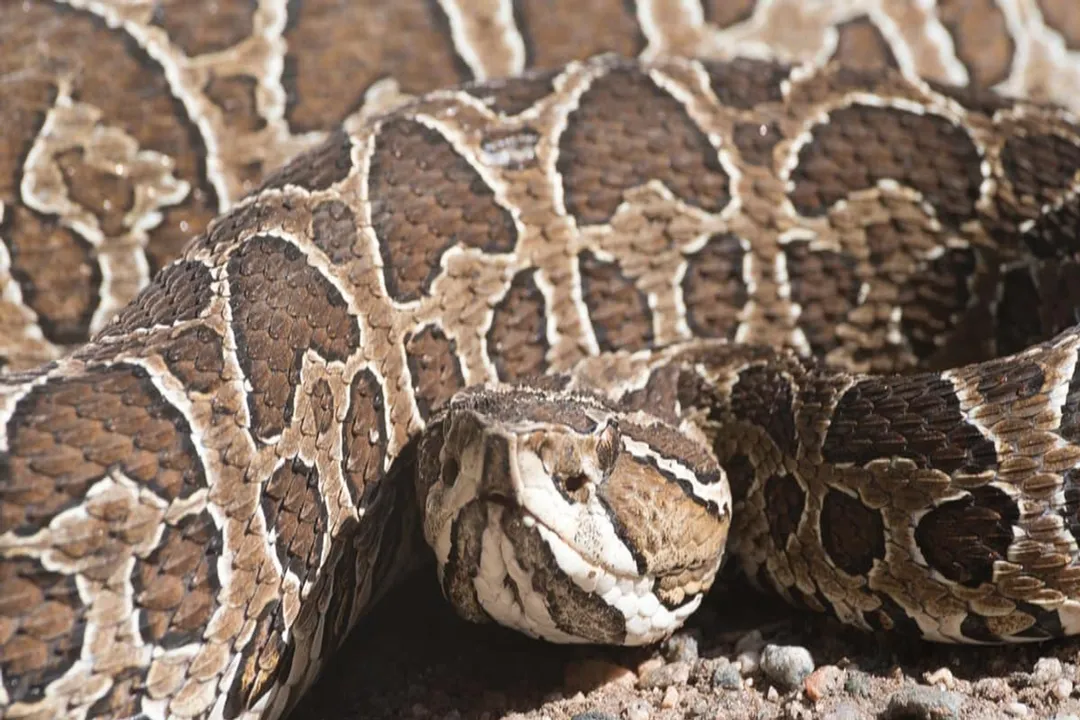
One of the most significant factors influencing a Yarara’s diet is its age and corresponding size, a phenomenon known as ontogenetic dietary variation. [6] Younger, smaller snakes often consume prey items that are smaller in mass and potentially easier to subdue, which frequently includes ectotherms. [6]
Juvenile Bothrops alternatus, for example, tend to feed on lizards and amphibians. [6] As these snakes grow, they transition to larger, more energetically rewarding prey, specifically shifting towards medium to large rodents. [6] This shift is ecologically sound; a larger predator requires a larger caloric intake, and mature rodents provide a better return on the energy invested in hunting and venom delivery than small lizards do. [6] This pattern—starting with smaller, often cold-blooded prey and graduating to larger, warm-blooded prey—is a common strategy among many predatory snakes that experience significant size increases throughout their lifespan. [6] This growth-driven dietary change suggests that monitoring the gut contents of juvenile versus adult specimens provides very different insights into the local ecosystem's biomass distribution. [4]
# Ecological Niche
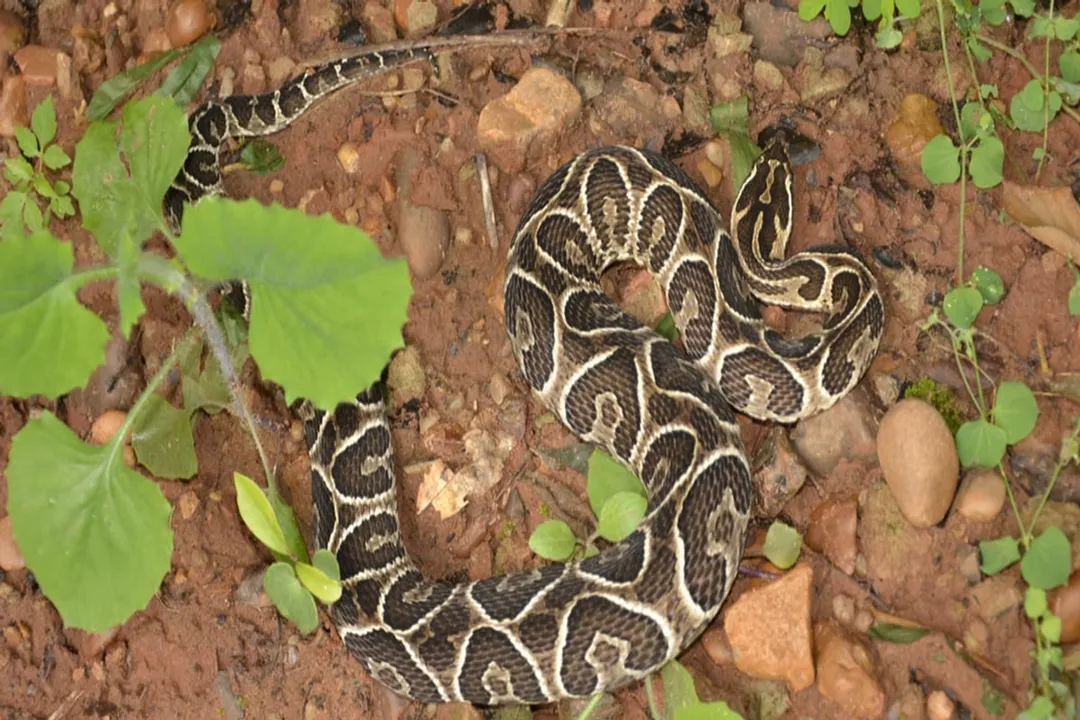
The feeding habits of the Yarara complex place them as significant meso-predators within their respective habitats. [7] Because they consume creatures that might otherwise overpopulate certain niches—like small rodents—they help maintain population balance. [4] The capacity of Bothrops species to consume a broad spectrum of prey makes them somewhat generalist predators, which often contributes to species survival across varied environmental conditions. [7]
The venom produced by these snakes is specifically adapted to rapidly subdue endothermic prey, such as rodents, which are warm and actively moving. [7] This adaptation points to mammals becoming the most crucial food source for reproductively mature individuals. [6] However, reliance on mammals is not absolute, especially in areas where suitable rodent populations fluctuate. In such scenarios, the snake’s ability to switch to abundant alternative prey, such as lizards or birds, becomes a crucial determinant of local survival rates. [7]
Considering the distribution of these snakes across South America, one practical implication for landowners or conservationists is that local environmental health can be indirectly gauged by observing the activity of both the snake and its primary prey. A noticeable decline in medium-sized rodent populations in an area where Yararas are present might lead to an observable increase in predation on ground-nesting birds or larger lizards, as the snakes adjust their hunting focus to maintain energy intake. [4][7] If a local population is highly specialized on one prey type, perhaps due to habitat fragmentation limiting rodent access, the snake population itself becomes more vulnerable to external shocks impacting that single prey species.
# Venom and Digestion
While the focus here is on what they eat, the how informs the diet's success. Yarara venom is hemotoxic, meaning it targets blood cells and tissues, which is highly effective against the circulatory systems of mammals and birds. [7] This venom profile strongly supports the dietary conclusion that larger, endothermic prey constitutes the ultimate goal for the adult snake. [6] The digestive process for these reptiles is slow, meaning a large meal, such as an adult rat, can sustain a snake for a considerable period, perhaps weeks, before another feeding is necessary. [7]
For instance, a large Bothrops alternatus taking down a substantial rodent might not need to feed again for a month or more, depending on environmental temperature, which influences their metabolic rate. [6] This infrequent feeding schedule means that when they do strike, the prey must be worth the energy expenditure and the risk of injury associated with tackling a larger animal. [7] This scarcity of feeding events underscores why the transition to high-value prey like rodents is so evolutionarily significant for the species' reproductive success. [6]
The precise composition of the diet is often inferred from scat analysis or, more definitively, from examining the stomach contents of deceased specimens. [4] These studies, particularly those focusing on species like B. ammodytoides, help create a more granular picture than simple field observations, identifying specific species of mouse or vole that form the bulk of the successful hunts. [4][5] Such detailed research confirms the general trend: the energy payoff from warm-blooded prey drives the dietary evolution of these pit vipers as they mature. [6]
Related Questions
#Citations
Jararaca - Facts, Diet, Habitat & Pictures on Animalia.bio
Yarara Facts & Photos - Wowzerful
Yarara - Bothrops alternatus - A-Z Animals
BOTHROPS AMMODYTOIDES (Yarará Ñata). DIET. - ResearchGate
(PDF) Bothrops ammodytoides (Yararáñata): Diet - Academia.edu
Bothrops alternatus - Wikipedia
Bothrops jararaca - Animal Diversity Web
Bothrops ammodytoides (Yararáñata): Diet