What prey items characterize the diet reliance of Bothrops ammodytoides (Yarará Ñata) in Argentinean environments?
Answer
Micro-mammals and ground-dwelling birds or reptiles
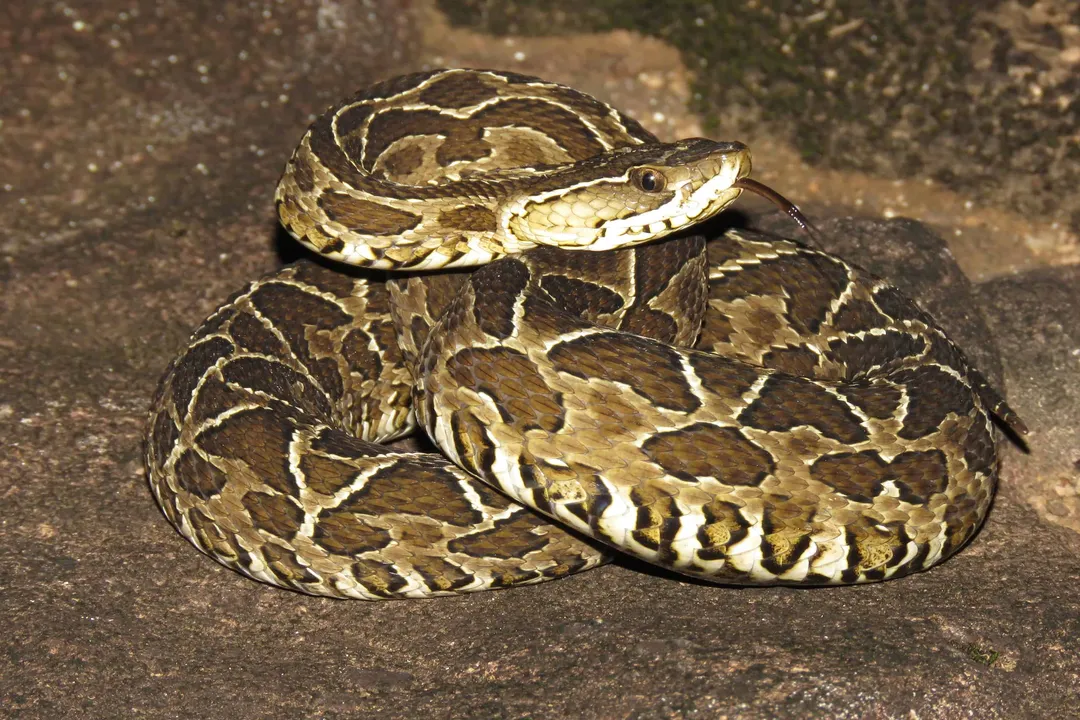
The feeding patterns of specific Yarara species are closely tied to the local fauna available in their inhabiting environments. For Bothrops ammodytoides, often called Yarará Ñata, studies focusing on the Argentinean environments where they reside indicate a strong reliance on smaller prey items characteristic of that region. This typical intake includes micro-mammals, which refers to very small rodents like mice, along with ground-dwelling birds or reptiles that share that habitat. This dependency on specific local prey demonstrates how environmental availability dictates the practical makeup of an individual snake's diet at any given time.
Related Questions
What prey do juvenile Bothrops alternatus primarily consume before shifting focus?Why is Yarara venom adapted specifically to rapidly subdue endothermic prey like rodents?According to prey categorization, which group is typically associated with Juvenile/Small snake size preference?What ecological role do the feeding habits of the Yarara complex place them in their habitats?What prey items characterize the diet reliance of Bothrops ammodytoides (Yarará Ñata) in Argentinean environments?How long can a substantial meal, like an adult rat, sustain a large Bothrops alternatus before refeeding is necessary?What specialized sensory structures do Yarara rely on to locate warm-blooded prey?Which three categories of vertebrates span the documented prey items for the various Yarara species across the group?What is the mechanism of action for the hemotoxic venom produced by Yarara snakes?What methods are used to obtain the precise composition of a Yarara's diet for detailed study?