What soil composition is often favored by farmers for constructing aquaculture ponds?
Answer
Clay-based
For successful aquaculture operations involving yabbies, farmers deliberately select site locations based on soil composition, often favoring clay-lined bottoms for their ponds. The primary reason for choosing clay-based soil is its effectiveness in preventing excessive water seepage from the constructed habitat. This ability to retain water is crucial for maintaining the controlled environment necessary for maximizing growth and harvest yields in farmed yabbies, a consideration not always present in wild settings.
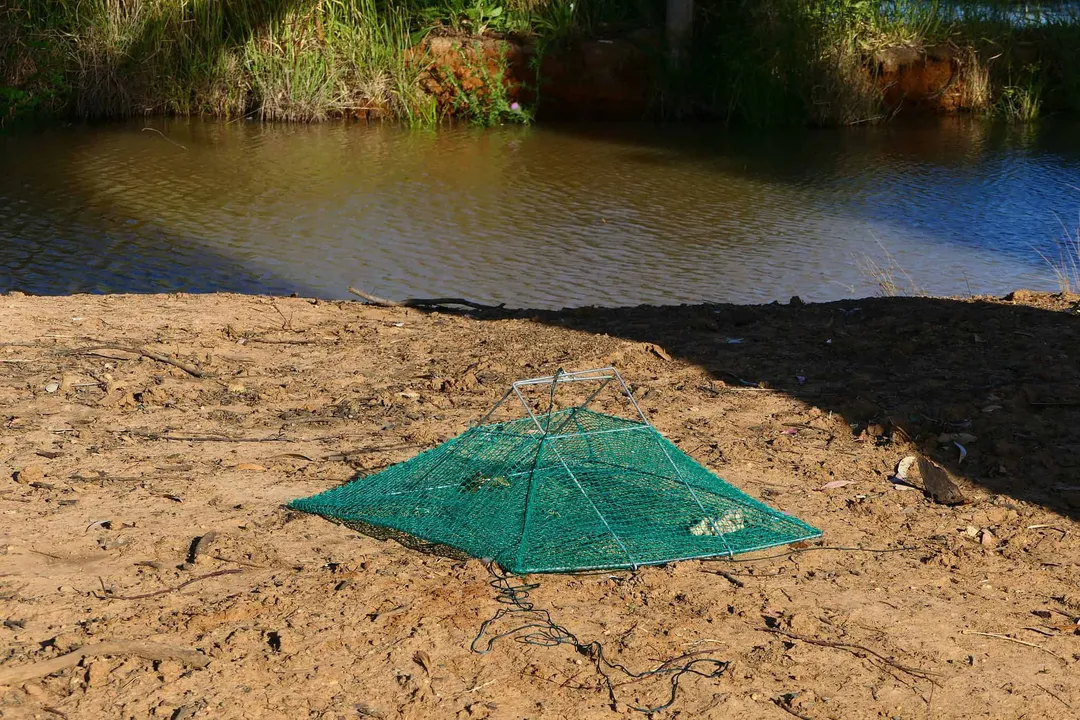
#Videos
Secrets of Yabby Bank Fishing - Als Fishn With Mates ...
Related Questions
Where are yabbies endemic to, according to their native environment?Which species is commonly referred to as the Common Yabby?What general region of Australia is the Black Yabbie (*Cherax strenuus*) often associated with?What soil composition is often favored by farmers for constructing aquaculture ponds?When do yabbies primarily prefer to forage in the wild?What critical behavior is severely compromised if yabby substrate is too sandy or rocky?What triggers ecological risk assessments for *Cherax destructor* in the United States?What water quality issue will quickly drive yabbies out of a farm pond or urban waterway?Where should one look during high water periods when yabbies might be dispersed across a flood plain?What is the primary difference in how yabby presence is viewed in Australia versus new locations?What management strategy might farmers use in areas with lower average temperatures for yabby farming?