Yabby Locations
The question of where to find a yabby is complex because the answer depends entirely on which continent you are standing on and what time period you are referencing. These freshwater crustaceans, widely recognized as crayfish, have a defined native home but have also established populations in areas far removed from their origins, primarily due to aquaculture and accidental releases. [6] Understanding their locations requires separating the historic Australian range from their contemporary global spread, especially where they are monitored as potential invaders. [5]
# Australian Origins

In their native environment, yabbies—most commonly referring to species like Cherax destructor—are endemic to Australia. [6] Their distribution across the continent is quite broad, though specific species have localized preferences. [7] They thrive in a variety of inland fresh water sources, which can range from slow-moving streams and rivers to billabongs, swamps, and large man-made reservoirs or farm dams. [3] The ability of the common yabby to survive in fluctuating water levels and less than ideal conditions is part of why they are so widespread across inland Australia. [3]
# Species Variety
It is helpful to note that "yabby" is a common name applied to several different crayfish species, which impacts the specific locations one might find them. [7] For example, the Black Yabbie, sometimes identified as Cherax strenuus, occupies different specific habitats within Australia compared to the Common Yabby (Cherax destructor). [7] The Black Yabby, for instance, is often associated with systems that provide adequate cover and are generally found in the northern areas of Australia. [7] In contrast, the Common Yabby has a much wider distribution across the Murray-Darling Basin and associated waterways. [1][3] When researching a specific location for recreational catching or observation, knowing the exact species helps narrow the search parameters considerably, as one species might prefer deeper, permanent water while another adapts better to ephemeral pools. [1]
# Global Presence
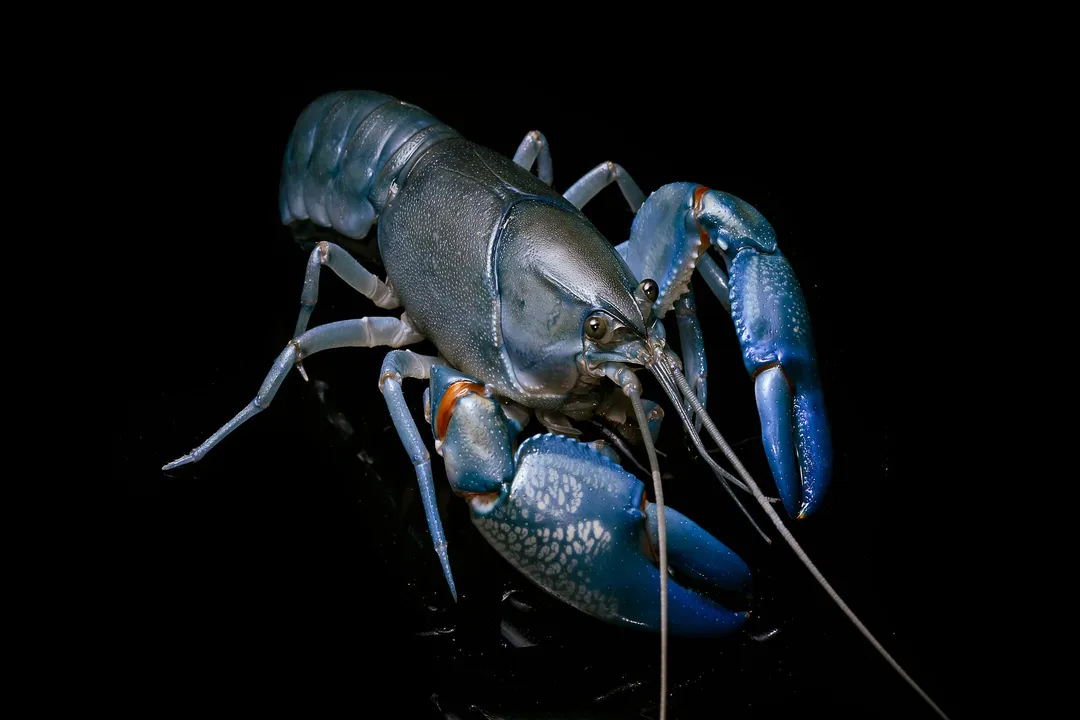
The movement of yabbies outside of Australia has been driven largely by their appeal as a food source and their hardiness, leading to their introduction across several continents. [6] This introduction naturally creates new "locations" where they can be found, though these areas are often closely monitored by environmental agencies. [5]
In the United States, for instance, the Common Yabby (Cherax destructor) has been identified, and its presence triggers ecological risk assessments. [1][5] These screenings evaluate the potential impact of the species on native ecosystems, suggesting that locations where they might establish a foothold are under scrutiny by bodies like the U.S. Fish and Wildlife Service. [5] While the exact, confirmed, widespread locations of established feral populations in the US may be limited or still under investigation—as is often the case with recently introduced aquatic species—the potential for establishment exists in suitable freshwater bodies across many states. [1][6] A key factor in these areas is the climate match; if US waters remain above certain minimum temperatures for long enough during the year, survival and reproduction become possible. [5]
This situation presents an interesting contrast: in Australia, they are a native component of the ecosystem, whereas in new locations, their presence is viewed through the lens of invasive potential, meaning official reports focus on where they shouldn't be rather than where they naturally thrive. [6]
# Aquaculture Sites

Beyond natural waterways, a significant category of yabby locations exists in controlled environments: aquaculture facilities. [8] People involved in yabby farming often create specific habitats designed to maximize growth and harvest. [8] These farmed locations are deliberately situated in areas that mimic favorable natural conditions, usually involving constructed ponds. [8]
Farming requires careful site selection, often favoring areas with suitable soil composition, typically clay-based, which helps prevent excessive water seepage from the ponds. [8] Farmers must manage water quality, temperature, and oxygen levels, meaning these locations are not just defined by geography but also by human management protocols. [8] For example, in areas experiencing lower average temperatures, farmers might need to employ heating methods or select deeper ponds to maintain the necessary thermal profile for year-round activity, which influences the effective location of the yabby population. [8] Looking at informal communities, such as those found in specialized online groups, reveals anecdotal reports of successful local farming operations, sometimes in unlikely suburban or regional backyards, provided the basic requirements for water retention and temperature can be met. [2]
If one were trying to predict where a successful, sustained yabby population might develop outside of Australia, combining the known temperature tolerance data from ecological screenings with the soil/water retention strategies used by successful farmers provides a useful predictive model. Generally, areas with mild winters and ample, non-acidic fresh water are prime candidates, whether they be naturalized populations or managed ponds. [5][8]
# Habitat Attributes
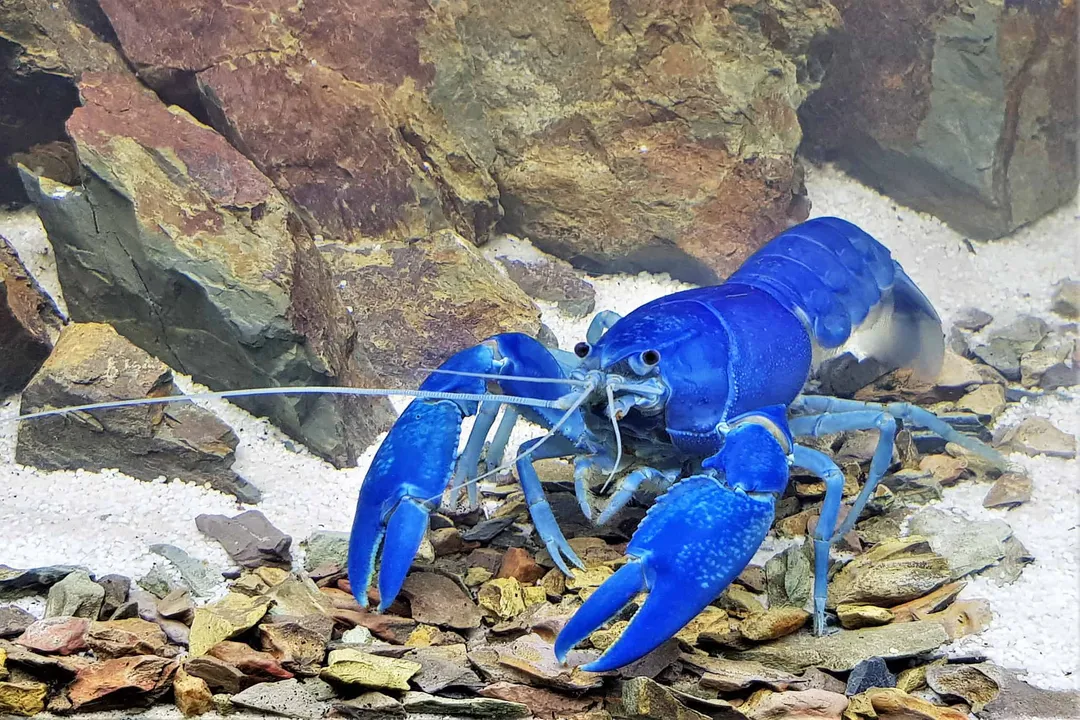
Whether wild or farmed, yabbies share certain habitat requirements that define their specific locations. [3] They are bottom dwellers and require substrate to burrow into, which is essential for molting and surviving dry periods when water bodies shrink. [3] This burrowing behavior is critical; in areas where the substrate is too sandy or rocky, their ability to persist through droughts is severely compromised. [3]
Water clarity is generally less of an issue than water depth or substrate type, as yabbies are often found in turbid (cloudy) waters common in inland Australian rivers. [3] However, extreme pollution or low dissolved oxygen levels, perhaps from excessive organic decay in a poorly managed farm pond or a polluted urban waterway, will quickly drive them out or kill them off. [4]
One noteworthy aspect of their habitat preference, particularly when comparing the Australian native range to potential new locations, is the reliance on structure. In their native systems, submerged logs, rocks, or aquatic vegetation provide hiding places from predators like birds and larger fish. [3] In an introduced setting where these natural structures are absent, a yabby population might be forced into higher-density burrowing in the available soft banks, increasing localized competition and stress. [5] This shift in habitat structure is an invisible, yet fundamental, locational constraint that an ecologist would look for when assessing an area outside of the species' normal range. [5]
# Finding Techniques
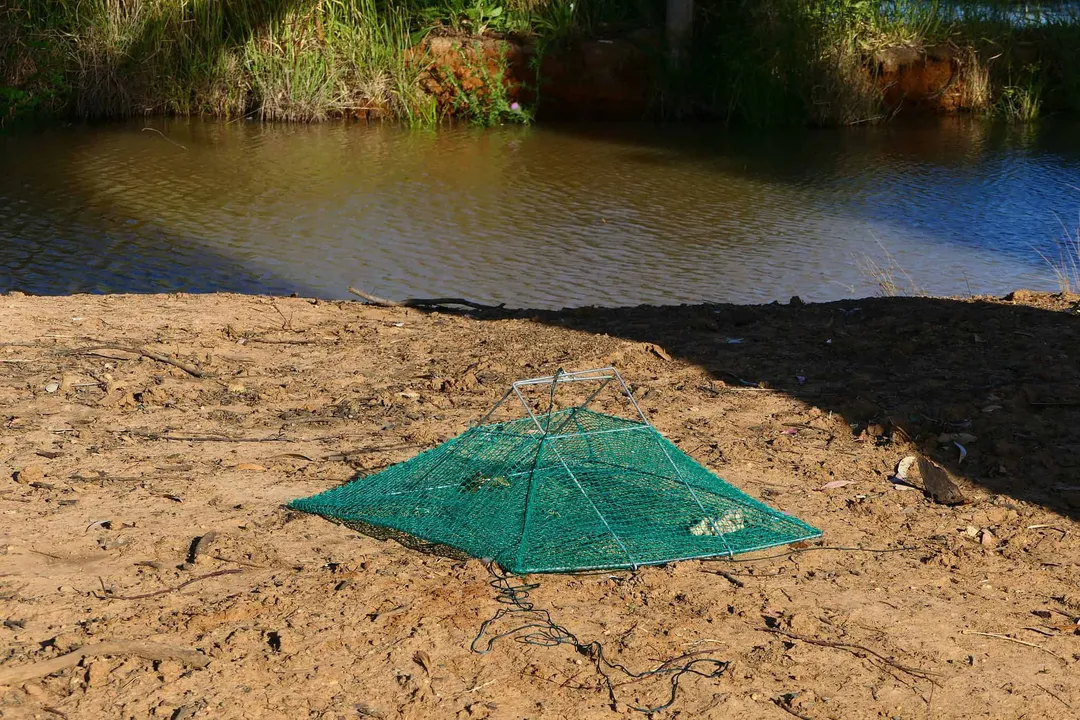
The method used to find a yabby often dictates the micro-location you will discover them in at any given time. In the wild, these creatures are primarily nocturnal, preferring to forage under the cover of darkness. [4] During the day, they retreat to their burrows or hide under structure. [3] Therefore, actively searching during daylight hours means looking for the entrance holes near the bank or carefully checking under submerged debris. [4]
When trapping or catching, the location targeted depends on the season and water level. [4] During high water periods, they might be dispersed across a wider flood plain, making deep, permanent holes or channels the best bet. [4] Conversely, as waters recede, they concentrate in smaller, remaining pools, making the location of these residual water bodies predictable spots for collection. [2][4] Effective targeting often involves placing traps baited with fish scraps or chicken in known travel paths or near deep bank structures. [2]
This means that a successful yabby location is often a temporal one—a place that holds water and provides shelter during the dry/cold season, rather than just any body of water they might pass through during a wet summer. [3] For those interested in farming, the ideal location, as one might learn from beginner guides, is a constructed pond with manageable depth (perhaps 1.5 to 2 meters) that is secured against escape routes. [8]
# Summary of Environmental Variables
To summarize the disparate locations where yabbies can be found, we can look at the critical environmental variables that must align, regardless of whether the location is in Queensland or potentially in a US state with a suitable climate. [1][5]
| Variable | Native Australian Habitat (General) | Farmed Location (Managed) | Invasive Risk Location (Potential) |
|---|---|---|---|
| Water Source | Rivers, Dams, Billabongs | Constructed Ponds | Lakes, Canals, Slow Rivers |
| Substrate | Soft mud or clay banks for burrowing | Clay-lined bottom to prevent seepage | Any soft bank available |
| Temperature | Variable, but requires warmth for growth | Managed to remain within optimal range | Must have warm summers to survive/breed |
| Predation/Cover | Logs, aquatic plants, deep holes | Managed stock density, artificial cover | Relies on existing debris or high burrow density |
This comparison underscores that while the geography changes wildly—from inland Australian basins to potentially specific North American drainage systems—the ecological requirements for a successful yabby location remain remarkably constant: warm water, soft substrate, and escape cover. [3][5][8] The difference in location success between a native range and an introduced one often boils down to the availability of that necessary cover and the pressure from native predators who may not have co-evolved with the yabby. [6]
#Videos
Secrets of Yabby Bank Fishing - Als Fishn With Mates ...
Related Questions
#Citations
Species Profile - Yabby
What are ideal locations for yabbying?
Yabby Animal Facts - Cherax destructor
Secrets of Yabby Bank Fishing - Als Fishn With Mates ...
Yabby (Cherax destructor)
Common Yabby
Yabby - The Australian Museum
Yabby Farming For Beginners