What is the lifespan of a yabby?
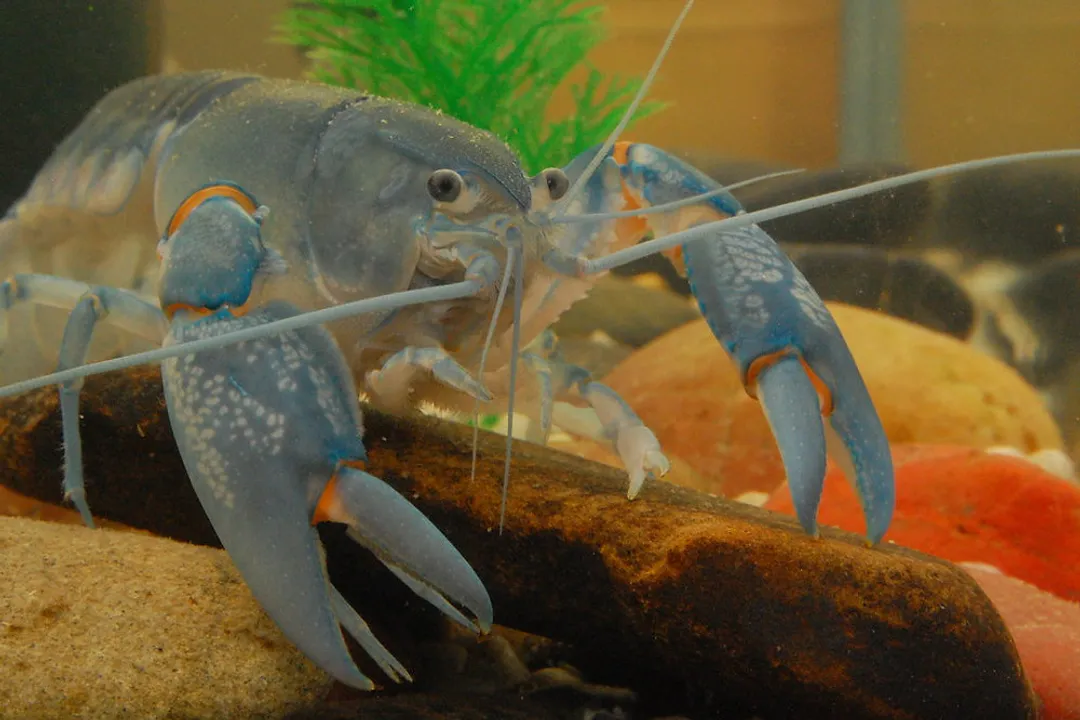
The common yabby, Cherax destructor, is a freshwater crayfish native to Australia whose potential lifespan is tied closely to its environment, often living between 4 and 10 years depending on whether it resides in the wild or a managed aquarium setting. [1][4] While some sources suggest a typical aquarium lifespan settling around five years, [3][6] others indicate that with optimal care, they can reach the 5 to 10 year mark in captivity, [2] mirroring the upper end of their natural longevity. [1] Understanding the variables that influence their survival, from water chemistry to diet, is essential for any keeper hoping to see their pet reach its full biological potential.
# Species Identity
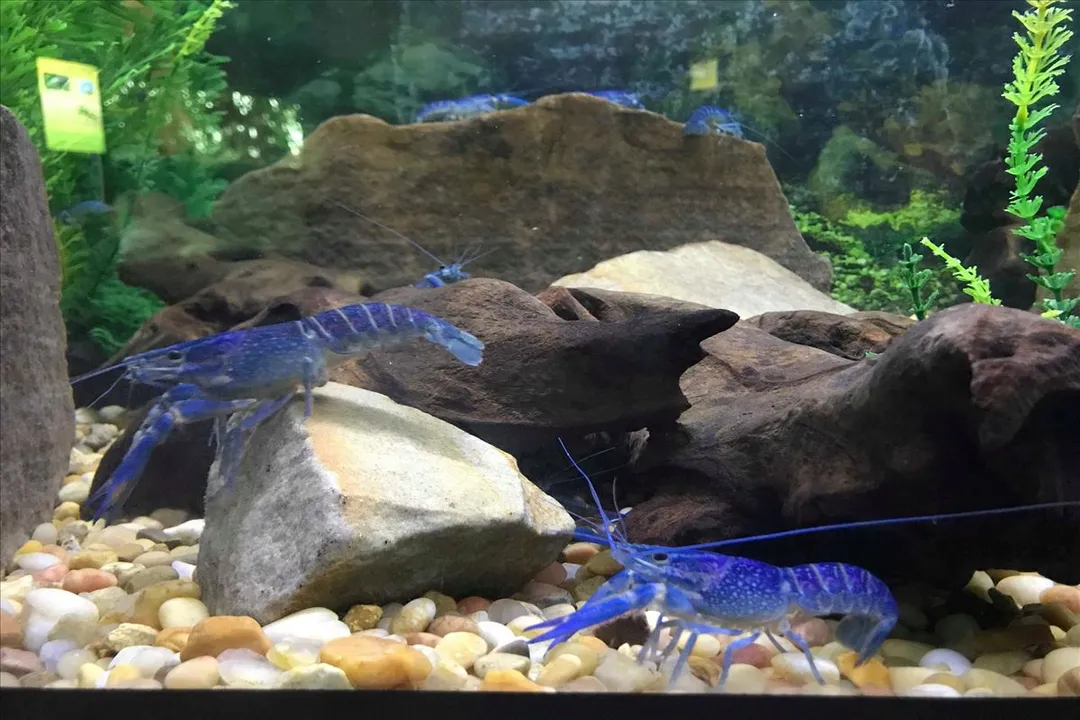
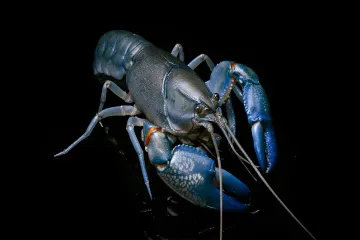
Yabbies are iconic Australian crustaceans, belonging to the genus Cherax. [4] The most commonly discussed species is Cherax destructor. [1][4][9] They are bottom-dwelling creatures, often found in dams, rivers, and billabongs across various parts of Australia. [4] As decapods, they share characteristics with true lobsters, though they are adapted to freshwater habitats. [4]
It is helpful to distinguish the common yabby from close relatives sometimes kept as pets. For instance, the Red Claw crayfish (Cherax quadricarinatus) is another species in the Cherax genus, and its typical lifespan is noted as being up to five years. [7] This comparison highlights that while lifespans overlap, the specific species matters when predicting longevity. [7]
# Longevity Variances
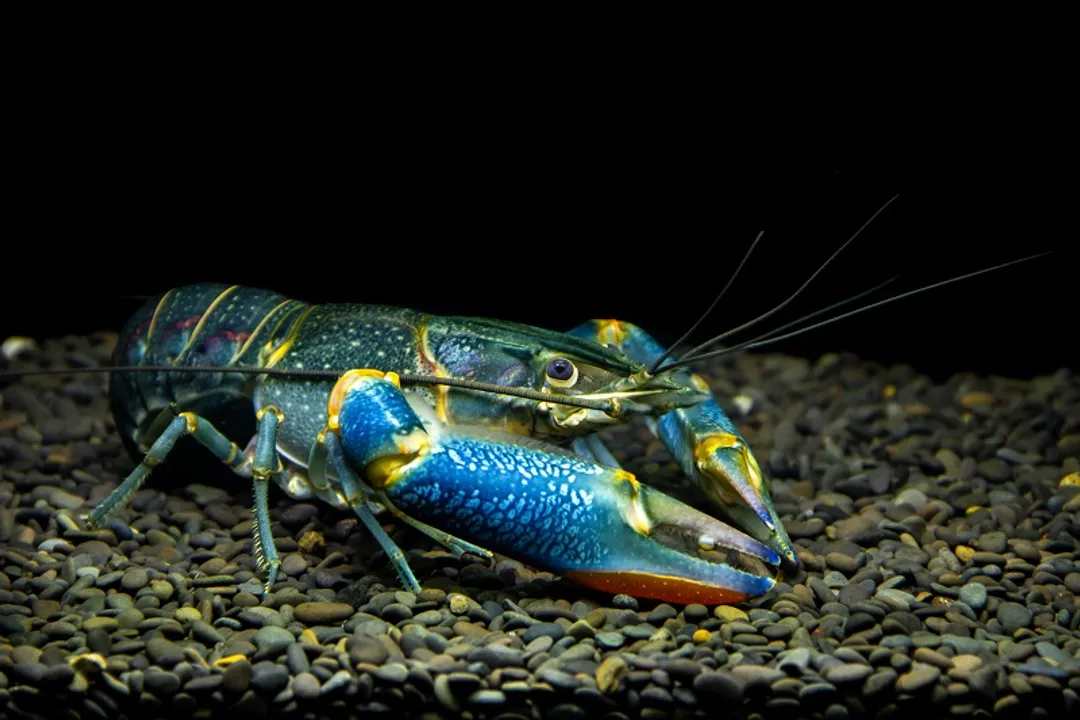
The difference between a four-year life and a decade-long life for a yabby often comes down to environmental stability. In their natural habitats, yabbies are subject to the harsh realities of drought, predation, and fluctuating water quality, which can cap their lifespan around four to six years. [4] Some natural populations, however, have been documented reaching five to ten years. [1][4]
When kept in an aquarium, the theory is that risks are minimized, offering a longer existence. [2] Owners can control temperature and eliminate predation, pushing the lifespan toward the five to ten year estimate. [2] Reports suggest that a well-maintained aquarium can support a yabby for five years or more, [8] though some care sheets keep expectations grounded at around five years. [5] The key difference is the consistency of favorable conditions—a wild yabby might face a catastrophic environmental event, whereas a captive one's survival hinges on the dedicated maintenance schedule of its caretaker. [1][4]
# Water Health
Water quality is perhaps the single most important factor affecting a yabby’s health and, consequently, its lifespan. [2][5] Yabbies breathe through gills and are highly sensitive to water contamination. [3]
Essential parameters that must be monitored include ammonia, nitrite, and nitrate levels. [2][3] Ammonia and nitrite must be kept at zero, as they are highly toxic, even at low concentrations. [2] Nitrates should be kept low, ideally below 20 parts per million (ppm). [3] Temperature management is also crucial; yabbies are cold-water species, and while they tolerate a range, stability is key. [5] They generally thrive in temperatures between 18°C and 24°C. [5] Rapid temperature swings can cause severe stress or shock, shortening their viable years. [5]
When considering maintenance, many hobbyists perform partial water changes (around 25-30% weekly) to dilute nitrates. [3] However, because yabbies spend all their time on the bottom and are prodigious burrowers, waste often accumulates deep within the substrate. A crucial practice for maximizing a yabby's health span, especially for those kept long-term, involves physically disturbing and siphoning the substrate during these partial water changes. Simply topping off the tank or skimming the surface will not remove the compacted, anaerobic waste buried just beneath the gravel bed, leading to a slow, chronic buildup of toxins that slowly degrades the animal's systemic health over months or years. [2][5]
# Feeding Regimes
A varied diet supports strong immunity and growth, directly influencing how long a yabby will live. [2][8] Yabbies are omnivores and scavengers in the wild, eating algae, detritus, insects, and small invertebrates. [4] In an aquarium setting, this omnivorous nature must be replicated with appropriate foods. [2]
A good staple diet should consist of high-quality sinking pellets designed for crustaceans or carnivorous fish. [2][8] However, pellets alone are insufficient for optimal health. They require regular supplementation with fresh or frozen foods such as small earthworms, bloodworms, shrimp, or fresh vegetables like peas (shelled) or spinach. [2][5][8] Overfeeding must be avoided, as uneaten food rapidly decays and pollutes the water, which negates good water change practices. [3] As a general guideline, only feed what they can consume within a few hours, perhaps only a few times a week after they reach their full adult size. [5]
# Habitat Structuring
The physical setup of the yabby’s environment contributes significantly to stress reduction, which is vital for a long life. [2] They require space relative to their size, and adequate territory helps prevent aggression, especially if housing more than one. [3]
The substrate choice is closely linked to their natural behavior. Yabbies are renowned for digging and creating elaborate burrows. [4] Providing a deep substrate layer—ideally 3 to 4 inches of coarse sand or fine gravel—is not merely an aesthetic choice but a behavioral necessity. [4] If the substrate is too shallow for a mature yabby to excavate a burrow deep enough to feel secure, it may remain perpetually stressed, constantly exposed to light and potential perceived threats from above. This inability to fulfill a fundamental instinctual need, such as digging a secure chamber, can be a silent killer, potentially reducing their lifespan even if water quality appears fine on a standard test kit. [2][5]
Hiding spots are just as important as substrate depth. Smooth rocks, PVC pipes, or driftwood pieces offer immediate shelter. [3] These structures give the yabby a safe retreat, particularly when they are soft-shelled after molting, which is a vulnerable period. [2][5]
# Molting Cycle
Like all crustaceans, yabbies grow by shedding their hard exoskeleton in a process called molting. [2][5] This biological process places immense physiological stress on the animal, as it must absorb water to expand its new, soft shell before it hardens. [5]
During the time immediately before and after molting, the yabby is extremely susceptible to injury and environmental toxins. [2] Water quality must be pristine during these periods—especially low nitrates—because the animal is effectively building its entire protective layer anew. [3] If a yabby successfully navigates its molts throughout its life without physical injury or water quality crashes, it significantly increases its chances of reaching the upper end of its expected five to ten year lifespan. [1][2]
Related Questions
#Citations
[PDF] Yabby (Cherax destructor) - U.S. Fish and Wildlife Service
Keeping yabbies as pets: Tank setup, care, feeding and more
[PDF] Yabbies - Animal Care Information Sheet
Common Yabby (Cherax destructor) Ecological Profile- Section 62
How To Best Care For Your Yabbies - Mentone Aquarium
Common yabby - Wikipedia
Red claw yabby - Animals - Toronto Zoo
Pet Yabbies - Burke's Backyard
THE YABBY – Cherax destructor – BUY YABBIES - Aqua Association
Freshwater Yabby - Coburg Aquarium