Do yabbies have hearts?
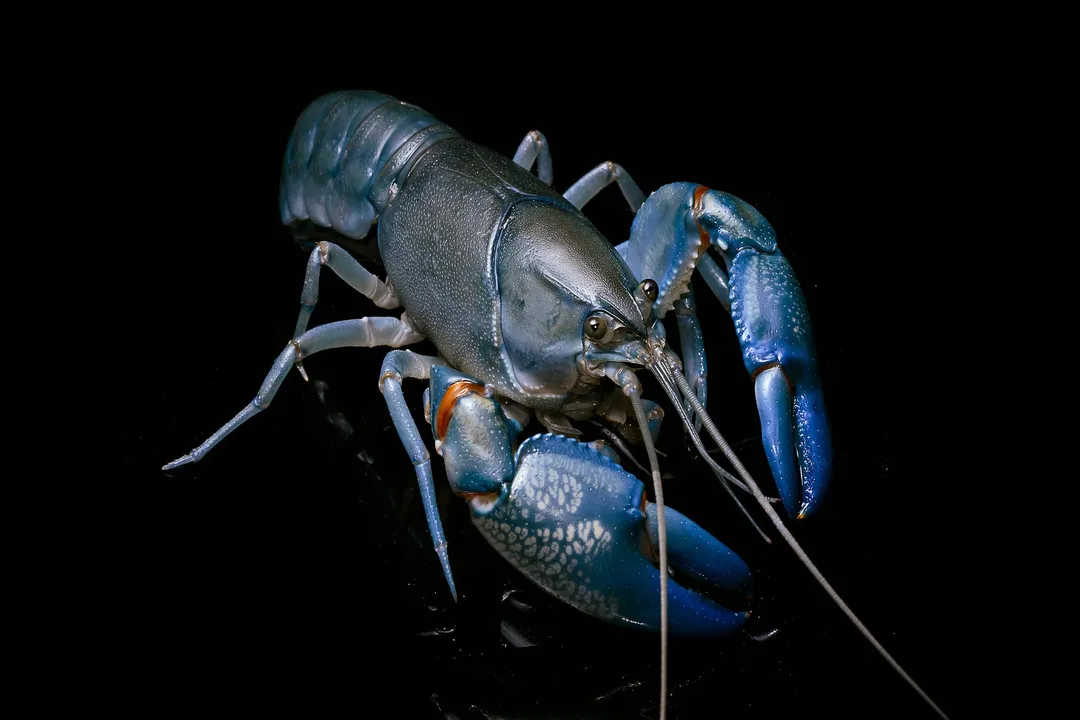
The Cherax destructor, often simply known as the yabby, is a freshwater crayfish whose incredible tenacity often overshadows its physical characteristics. While the casual observer might wonder about the inner workings of this creature, from its powerful claws to its ability to disappear into mud for months, its core biological machinery—the very engine that drives its survival—remains a subject best approached by examining its external capabilities and classifications. It belongs firmly in the Kingdom Animalia, Phylum Arthropoda, Class Malacostraca, and the Order Decapoda, placing it alongside crabs, lobsters, and shrimp. [1] This classification suggests a complex internal architecture, protected by the hard outer shell, or carapace, which serves as armor for the vital components beneath. [1]
# Surviving Extremes
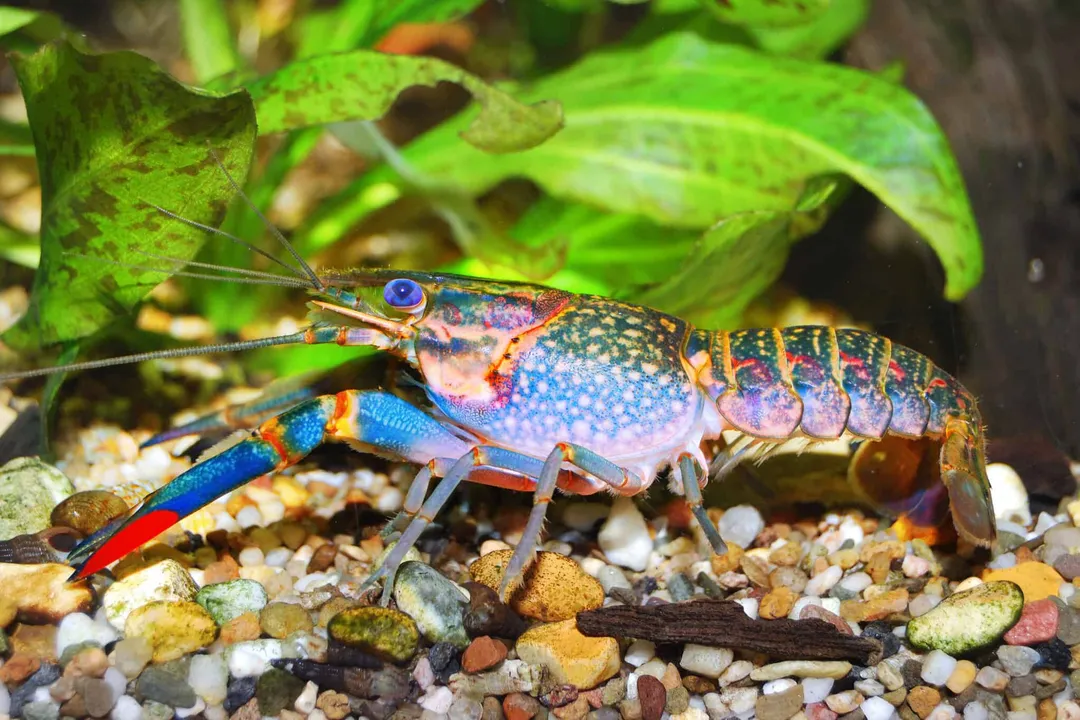
The yabby's resilience is legendary, a fact borne out by its widespread native range across Australia and New Guinea. [1] Its ability to adapt to radically different conditions is astonishing. They can inhabit everything from alpine streams to desert mound springs and irrigation channels. This adaptability is partly due to a remarkable tolerance for environmental stress. While their ideal water temperature for growth hovers between and , they can survive in water ranging from up to , though growth ceases outside the narrower optimal band.
Perhaps more indicative of the necessary internal processing power is their tolerance for poor water quality. Yabbies can endure low oxygen levels, stopping growth temporarily if the concentration drops below and surviving short periods even at oxygen. This capacity to function when dissolved oxygen is scarce is closely linked to their ability to breathe air, a trait that allows them to migrate over land and escape drying water bodies. [3] When drought hits, the yabby enters a state of dormancy called aestivation by digging deep burrows, sometimes $0.5$ to $2$ meters deep, connected to the water table or deep mud. [1] This survival strategy demands an internal system capable of slowing down, ceasing feeding and metabolism when temperatures dip below , and then rapidly reactivating that system when conditions improve.
# Metabolic Demand and Diet Shifts
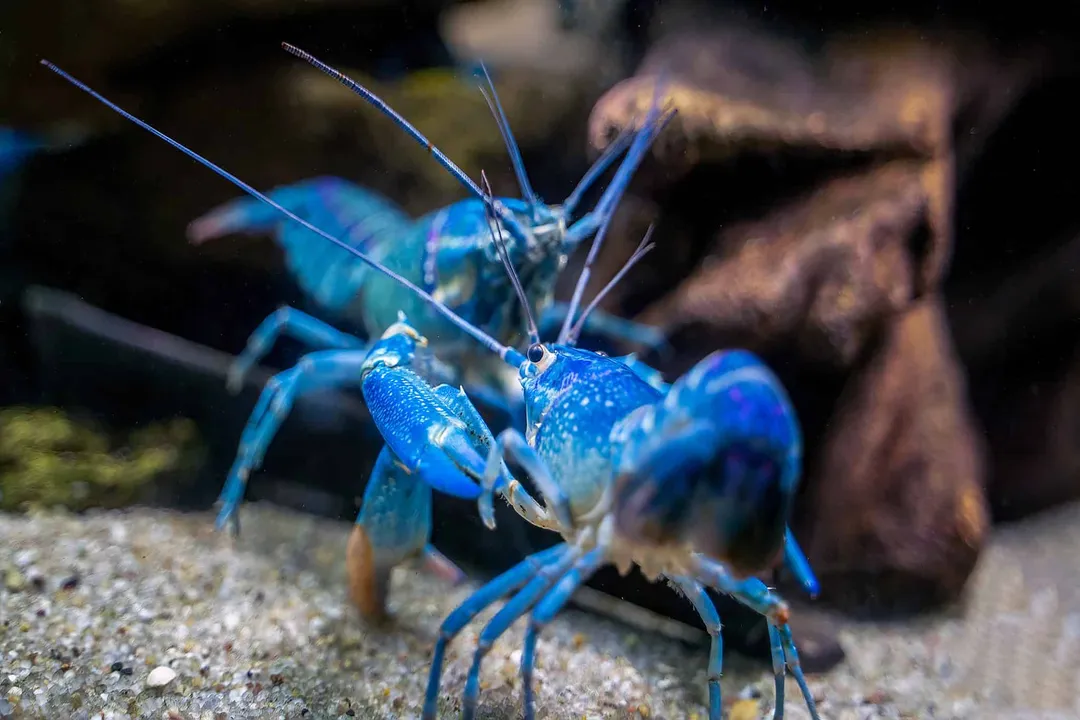
The metabolic demands placed on a yabby fluctuate dramatically depending on the season and food availability, reflecting a highly dynamic internal economy. In their native environments, yabbies are opportunistic omnivores. [1] During the warmer summer months, they switch to a primarily predatory diet, consuming items like fish, which are high in protein and fats. They are aggressive enough to outcompete other native crayfish species for these resources. [3] However, when resources are scarce, such as in the winter, their diet shifts toward consuming plant material and detritus. One finds a fascinating parallel here: the intense energy required for summer predatory behavior, which likely demands rapid systemic support, is contrasted by the slow, maintenance metabolism needed to subsist on less nutrient-dense plant matter during colder periods. This metabolic flexibility, regardless of the specific pumping organ involved, speaks volumes about the efficiency of their entire life support apparatus.
Their feeding behavior itself is complex. Smaller individuals, under , use their walking legs to search and then quickly grasp zooplankton, moving the prey rapidly toward their mouthparts. Larger yabbies, over , use their legs to push prey towards the third maxillipeds, which then scoop the food toward the mouth. This level of coordinated feeding behavior, especially when hunting live prey, indicates a nervous system and physiological support structure operating at a high functional level.
# Parental Investment
If we consider the energy expenditure and complexity required for reproduction, it is clear that yabbies possess highly organized physiological processes. Females can be prolific breeders, potentially spawning up to five times a year under optimal conditions. A female carries her eggs, sometimes over $1000$ in a large clutch, attached to the swimmerets under her abdomen. [1] This 'brood chamber' must be actively maintained for up to $40$ days, depending on the water temperature.
The female's role is not passive incubation; she actively keeps the eggs cleaned and well oxygenated, using her fifth pair of walking legs to remove mortalities or foreign particles. [1] This dedicated nurturing requires continuous, high-level energy allocation, suggesting a robust system for oxygen and nutrient exchange, even if it is not centrally powered by a familiar muscular organ. Anecdotal reports from keepers observe this intense protection, noting that a mother yabby will dig a small recess, sometimes sticking only her tail inside, to help release the young, and will quickly move to shield the newly freed juveniles from observation. [4] This maternal investment is substantial for a crustacean.
It is perhaps this very maternal devotion that offers the most compelling argument for their complex internal life, even without naming the central organ. The active management of egg oxygenation implies a significant circulatory pathway, as dissolved oxygen must be brought into contact with the developing embryos across a large surface area, a task that demands more than simple diffusion in a high-energy context.
# Size and Structure
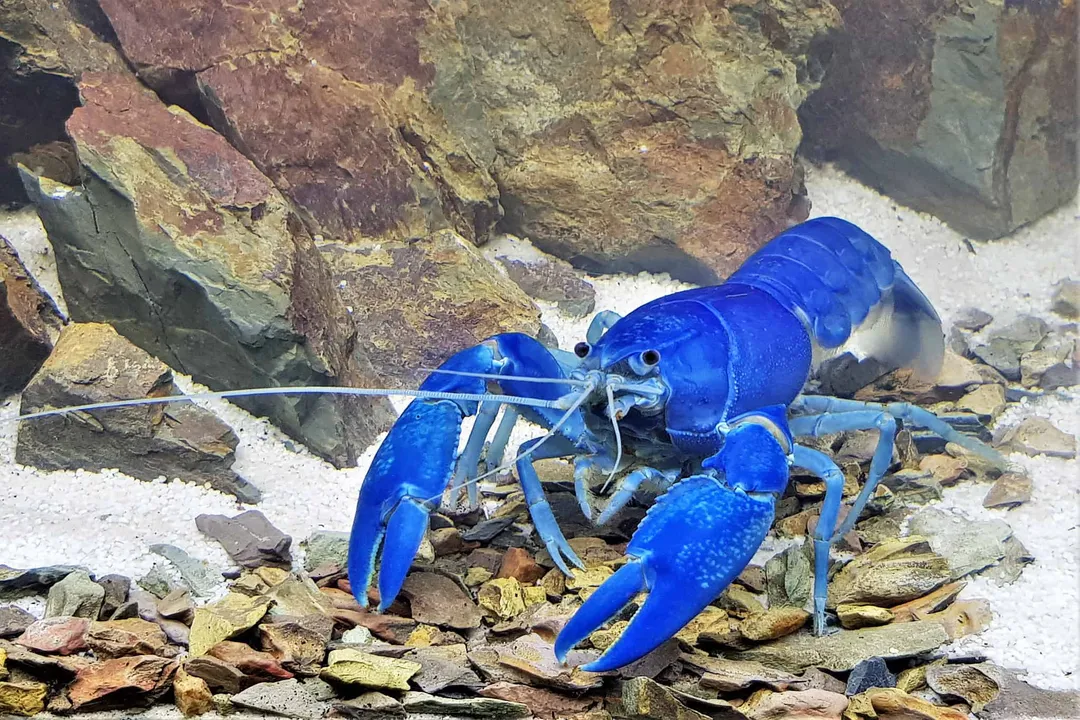
Physically, yabbies are among the larger crayfish in Australia. [1] They possess a carapace that shields their internal organs. [1] Their size is variable; while many caught by anglers weigh between $20$ and , they can grow up to in males, with maximum recorded lengths around . The body is neatly divided into three sections: the head, thorax, and tail. [1] The external anatomy is distinct, featuring a smooth carapace with a single pair of post-orbital ridges forming long keels, and a rostrum (the area between the eyes) that is characteristically short, broad, and spineless.
# The Paradox of Success
The very traits that make the yabby successful in its native Australian habitat—its adaptability, high fecundity, and aggressive nature—are the same traits that cause it to be listed as a prohibited or injurious species in many parts of North America and Europe where it has been introduced. [3] In places like Western Australia, the introduction of C. destructor has been linked to the displacement of native species like Euastacus dharawalus, which is now critically endangered. Yabbies are considered a keystone species in terms of nutrient recycling, but their impact in a new ecosystem often leads to reduced biodiversity by outcompeting natives for food and habitat. [3] This dual status—vulnerable in some native areas due to habitat degradation, yet highly invasive elsewhere—underscores that the yabby’s internal programming is exceptionally well-suited for survival and proliferation across diverse aquatic challenges.
# Implications for Internal Systems
When considering a creature that can survive days without external oxygen, has specialized feeding modes based on size, and actively aerates its eggs, it is clear that the entire internal system must be tightly regulated. While sources confirm the presence of a protective carapace for internal organs, [1] the specifics of the propulsion system for that internal maintenance—the central pump often called a heart in vertebrates—are not detailed in these biological summaries. Instead, what is verified is a system capable of:
- Osmotic Regulation: Tolerating high salinity for up to $48$ hours, a clear sign of complex internal regulation of water and salt balance.
- Metabolic Rate Shifting: Rapidly changing between high-energy, predatory function and low-energy, dormant survival.
- Active Respiration Support: Physically moving water over gills and holding developing young in an "oxygenated environment". [1]
The yabby’s capacity to thrive where others fail, whether by burrowing to avoid drought or outcompeting rivals for food, is a testament to its highly functional, though perhaps structurally different from a human's, internal plumbing. Understanding their outward behavior and classification offers a window into the effectiveness of their entire system, even as the exact configuration of their circulatory center remains a detail best reserved for specialized crustacean anatomy texts.
Related Questions
#Citations
Yabby Animal Facts - Cherax destructor
[PDF] Yabby (Cherax destructor) - U.S. Fish and Wildlife Service
Species Profile - Yabby
I never thought yabbies were so maternal (if I can consider them that)