What are some fun facts about yabbies?
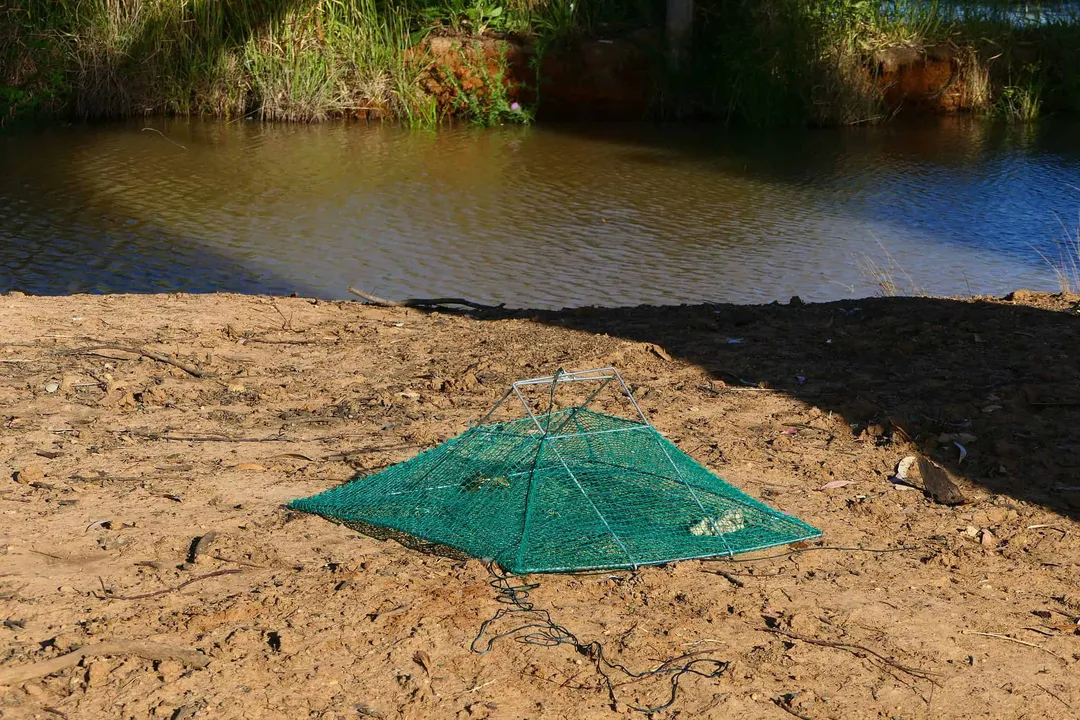
It’s easy to think of crayfish simply as little lobsters you might see in a river, but the Australian yabby is an absolute superstar of the freshwater world, boasting a life history far more fascinating than its humble appearance suggests. These crustaceans, scientifically classified as Cherax destructor when talking about the common variety, are native to Australia and are incredibly successful survivors in a highly variable environment. [1][4][6] They are the subject of much interest, whether you find them swimming in a billabong, kept as a pet, or featured on a dinner plate. [7]
# Name Origins
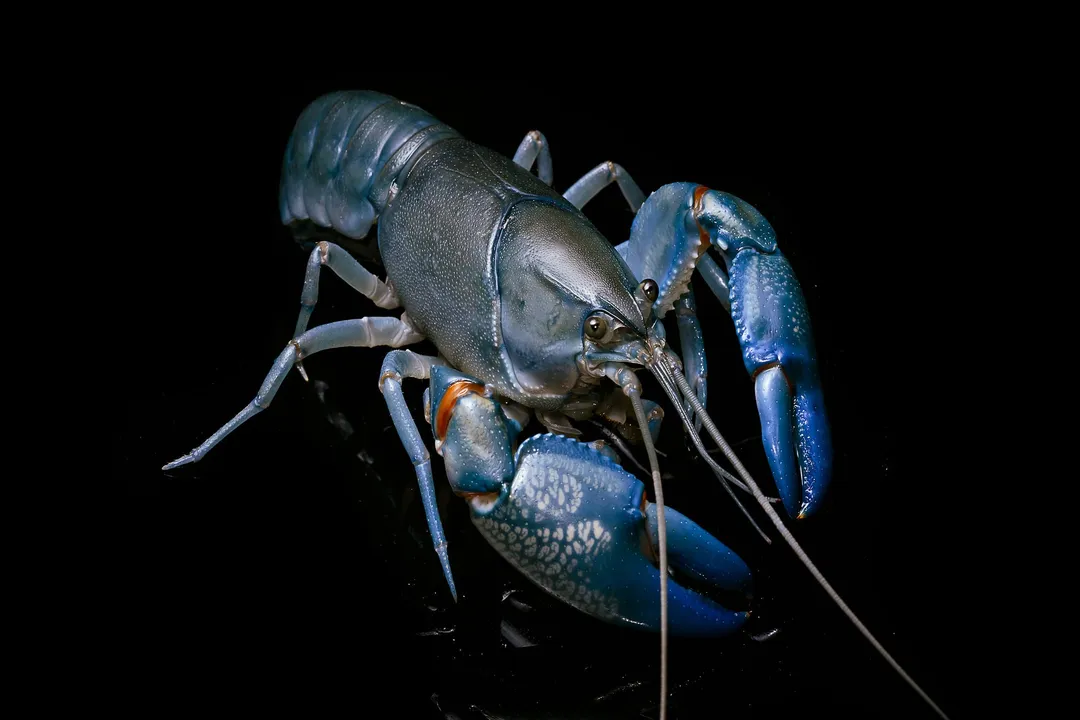
The very name, yabby, carries a touch of Australian heritage. It is widely believed that the term originates from the Aboriginal language word yabbi. [1] This local naming convention speaks to the long-standing relationship Indigenous Australians have had with these creatures long before European settlement documented them for wider science. [1] While Cherax destructor is the common name for the most widespread species, their diversity means that different regions might use slightly different local names for their specific Cherax relatives, adding another layer to their complex identity. [5]
# An Adaptable Body Plan
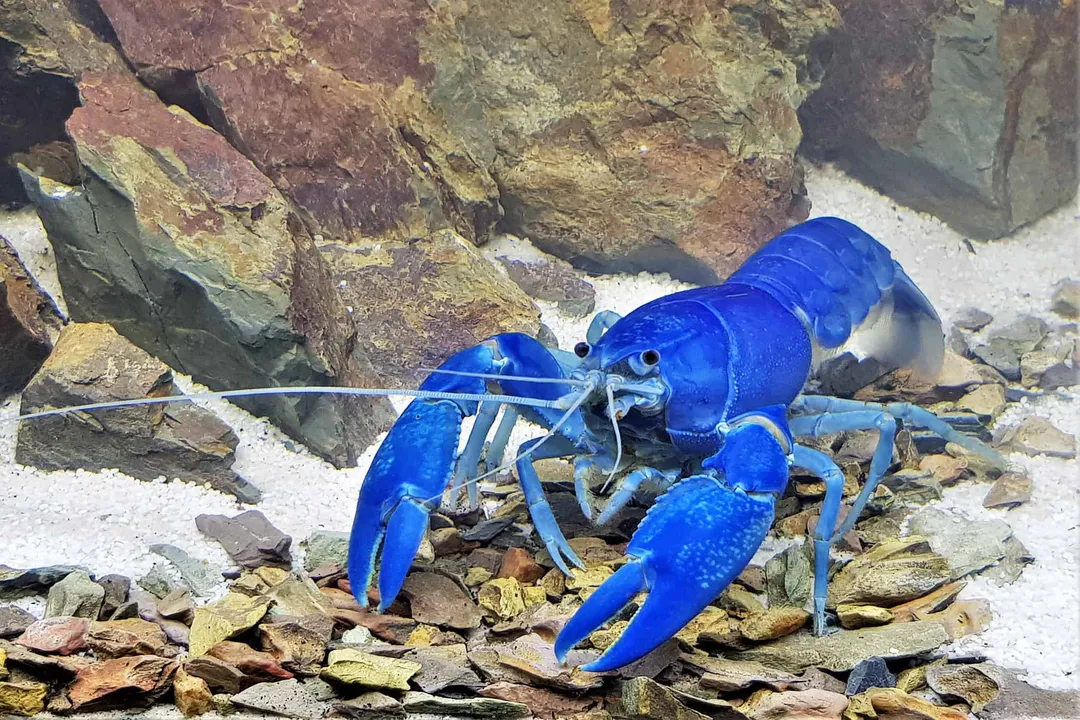
One of the most surprising things about yabbies is just how varied they can look, even within the same species. While many people associate them with a brownish or greenish hue, their coloration is not fixed. They can exhibit shades of blue, brown, and green, sometimes depending on the water quality or substrate of their home. [3][4] It is important to note that while we often talk about the "Common Yabby" (C. destructor), there are other closely related species, such as the Black Yabby (Cherax powelli), which presents its own distinct characteristics and habitat preferences. [3]
Yabbies are decapods, meaning they possess ten legs, and like all crayfish, they rely on an exoskeleton that requires shedding for growth. This process, known as molting, leaves them vulnerable for a period, often prompting them to seek shelter until their new shell hardens. [4] In terms of size, they are certainly respectable inhabitants of their aquatic homes, sometimes reaching lengths of up to $30$ centimeters. [2][5] When you consider that a significant portion of that length is their tail section, they represent a substantial meal or a noticeable presence in any small body of water. [2]
# Survival Masters
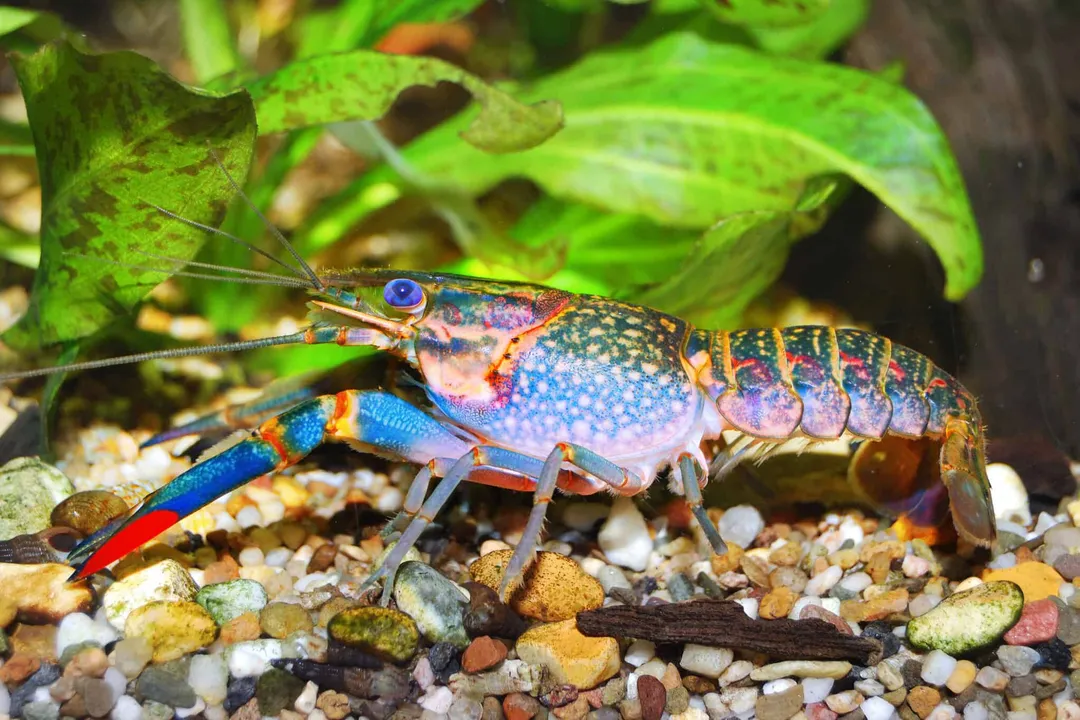
If yabbies were only judged by their looks, they would be moderately interesting. But their real claim to fame lies in their sheer tenacity, especially concerning drought survival. This is arguably the most "fun" fact about them: they are masters of terrestrial downtime. [1][2]
When the creeks dry up and their usual watery environments shrink to isolated pools or disappear entirely, yabbies don’t simply perish en masse. [5] Instead, they employ an incredible survival strategy known as aestivation. [1][2] They dig deep into the moist mud or sediment at the bottom of the drying waterway, creating a protective burrow. [1][5]
Aestivation is the crustacean equivalent of hibernation, but it’s triggered by heat and drought rather than cold. They essentially seal themselves into a mud chamber, slowing their metabolism down to the bare minimum until the rains return. [1]
This ability to wait out long dry spells—sometimes for months or even years—in a state of suspended animation is what makes them so resilient across the often-unpredictable Australian landscape. [2][5] When the water finally returns, these buried creatures re-emerge, ready to resume their lives, demonstrating an ecological adaptability that many larger animals lack. It speaks volumes about their ancient evolutionary success in these challenging environments.
# Diet and Daily Life
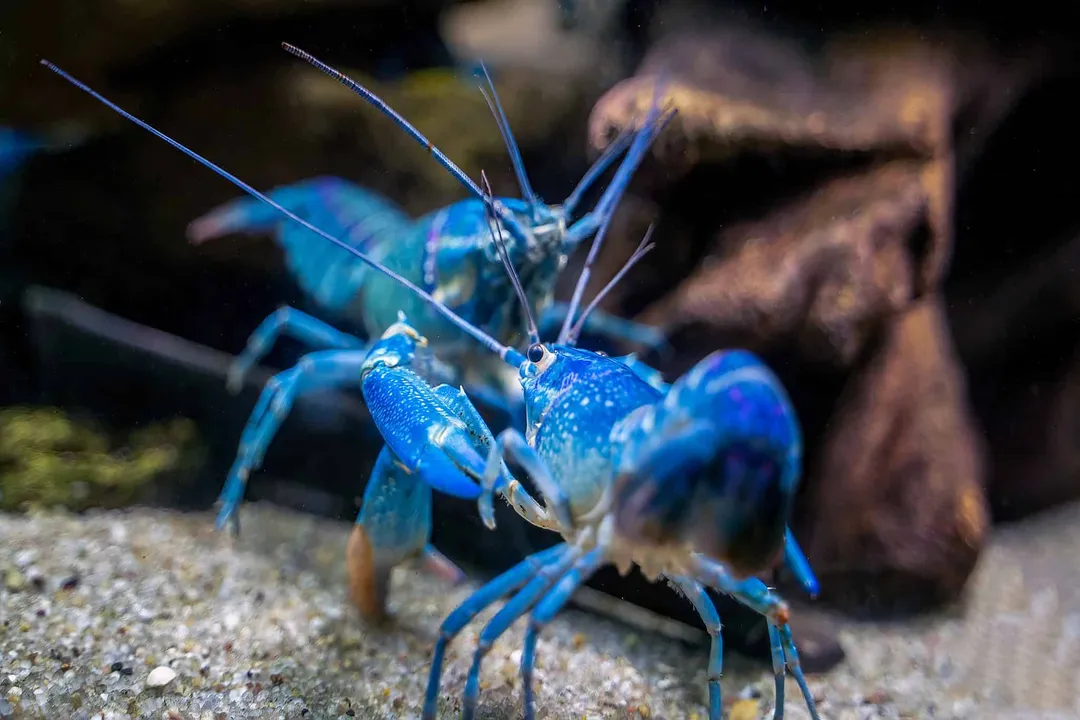
In the water column, yabbies operate primarily as scavengers and omnivores, fulfilling an important ecological role as nature’s clean-up crew. [2][5] Their menu is highly flexible, which is another key to their success in varied habitats. [5] They consume a wide array of items, including decaying plant matter, algae, aquatic insects, small invertebrates, and detritus. [2] This omnivorous nature means they are not reliant on a single food source; if the plant life dwindles, they can switch to scavenging animal protein, and vice versa. [2][5]
When it comes to their daily routine, yabbies tend to be nocturnal. [5] This means that the hours after dusk are when they are most active, foraging across the bottom substrate for anything edible. [5] During the heat of the day, or when they feel exposed, they retreat to crevices, under rocks, or into the burrows they construct. [5] This behavior is a sensible strategy to avoid daytime predators, which can include various birds, fish, and terrestrial mammals. [4]
# A Look at Reproduction
The life cycle of the yabby follows the general pattern of other freshwater crayfish, but with some interesting specifics regarding parental care. Once the female is fertilized, she carries the fertilized eggs attached to her swimmerets—the small appendages under her tail—for several weeks. [4] This is where she provides protection and ensures the eggs receive enough oxygenated water until they hatch. [4]
Once the miniature yabbies emerge, they are essentially free-swimming larvae for a short time before they settle onto the bottom to begin their growth as miniature versions of the adults. [4] The success of the species hinges on large clutches of eggs and the sheer number of individuals that survive the vulnerable juvenile stages, especially after a drought forces mass re-emergence.
# Culture and Aquaculture
Beyond their ecological niche, yabbies have a significant presence in human culture and commerce. They are highly valued as a food source, leading to established aquaculture industries in Australia. [7] Raising yabbies commercially means that their population dynamics—such as growth rates and susceptibility to disease—are studied with great detail. [7] Furthermore, their hardiness, unique appearance, and relatively manageable size make them popular candidates for the aquarium trade. [8]
It is interesting to observe the shift in perception. In some contexts, they are viewed as a pest or a competitor to native fish populations, especially in dams or introduced environments. [6] In others, they are celebrated as a local delicacy. [7] This duality is common for highly adaptable native species whose populations fluctuate wildly based on environmental conditions and human management. [6] For instance, in areas where they thrive, they can become dominant scavengers, potentially outcompeting slower-growing or less robust native fish species for resources. [6] Understanding this balance is key for responsible management of waterways where yabbies are abundant.

# Comparative Notes on Species
While C. destructor is the common face of the group, delving into a related species like the Black Yabby (Cherax powelli) reveals important ecological distinctions. [3] The Black Yabby is often found in more specific northern Australian habitats and may have different substrate preferences compared to the highly generalist common yabby. [3] When you see a yabby, trying to narrow down the species can be tricky unless you know the exact location, as color alone is not a reliable identifier across the entire Cherax genus, which showcases a wide distribution across the continent. [3][5]
If you are considering keeping a yabby in a home setup, recognizing that they are burrowers is paramount. A proper tank setup requires a deep layer of soft substrate, like sand or fine gravel, allowing them to dig complex tunnels. [8] Without adequate depth—I would suggest at least six to eight inches depending on the size of the individual—a yabby will become stressed and unable to express its natural digging behaviors, which are vital for its psychological well-being. [8] This need for deep substrate is a practical consideration that often surprises new invertebrate keepers who assume a simple gravel bed will suffice.
Thinking about their environment, it is striking how much they rely on substrate stability for survival. Their ability to burrow against flooding or drought speaks to an evolutionary history tied to dynamic, seasonal waterways rather than stable, large lakes. [1][5] This deep connection to the mud is not just for hiding; it’s their primary defense mechanism against catastrophe. [2]
# Measuring Resilience
To put their adaptability into perspective, consider a scenario common in inland Australia. A river system experiences a five-year drought. Many fish species that rely on constant oxygenation and open water perish. The yabbies, however, enter their mud chambers. [1][2] When the first significant rains break the dry spell, they emerge, often within days, and immediately begin feeding and breeding, rapidly recolonizing the newly formed pools and rivers. [5] Their ability to reproduce quickly post-drought often means they are one of the first aquatic animals to fully recover a water body's biomass. This rapid rebound capability is what makes them so ecologically successful, even if it sometimes puts them in conflict with management goals for less resilient species. [6]
# Key Yabby Facts at a Glance
For quick reference, here is a summary of some key takeaways about these fascinating Australian natives:
| Trait | Detail | Reference |
|---|---|---|
| Scientific Name (Common) | Cherax destructor | [1][6] |
| Average Max Size | Up to $30$ cm | [2][5] |
| Activity Period | Nocturnal | [5] |
| Survival Tactic | Aestivation (Burrowing in mud) | [1][2] |
| Diet Type | Omnivorous Scavenger | [2][5] |
| Key Feature | Exoskeleton requires molting for growth | [4] |
When handling yabbies, especially if you are involved in conservation or aquaculture, remember that their claws, while not as powerful as marine lobsters, can still pinch quite firmly. [4] The soft-bodied females carrying eggs under their abdomen are particularly vulnerable and should be handled with extreme care, if at all, to avoid damaging the developing young. [4]
Ultimately, the yabby is far more than just a local crawdad. It is a living testament to evolutionary flexibility, a key component of freshwater ecosystems, and a creature whose survival skills—especially that astonishing ability to wait out the worst of the Australian dry—make it truly remarkable. [1][2][5] Their story is one of persistence written in mud and water.
#Videos
Australian Freshwater Yabbies, are they cute or metal? - YouTube
Related Questions
#Citations
Common yabby Facts for Kids
Yabby Animal Facts - Cherax destructor
Yabby - The Australian Museum
Common yabby - Wikipedia
Yabby Facts & Photos | Wowzerful
Common yabby - Facts, Diet, Habitat & Pictures on Animalia.bio
[PDF] Yabbies | Aquarium Industries
Common Yabby | Reptile Encounters
Australian Freshwater Yabbies, are they cute or metal? - YouTube