What risk is posed to smaller tankmates by the opportunistic nature of Clarias batrachus in captivity?
Answer
The smaller fish will quickly become part of the catfish's diet
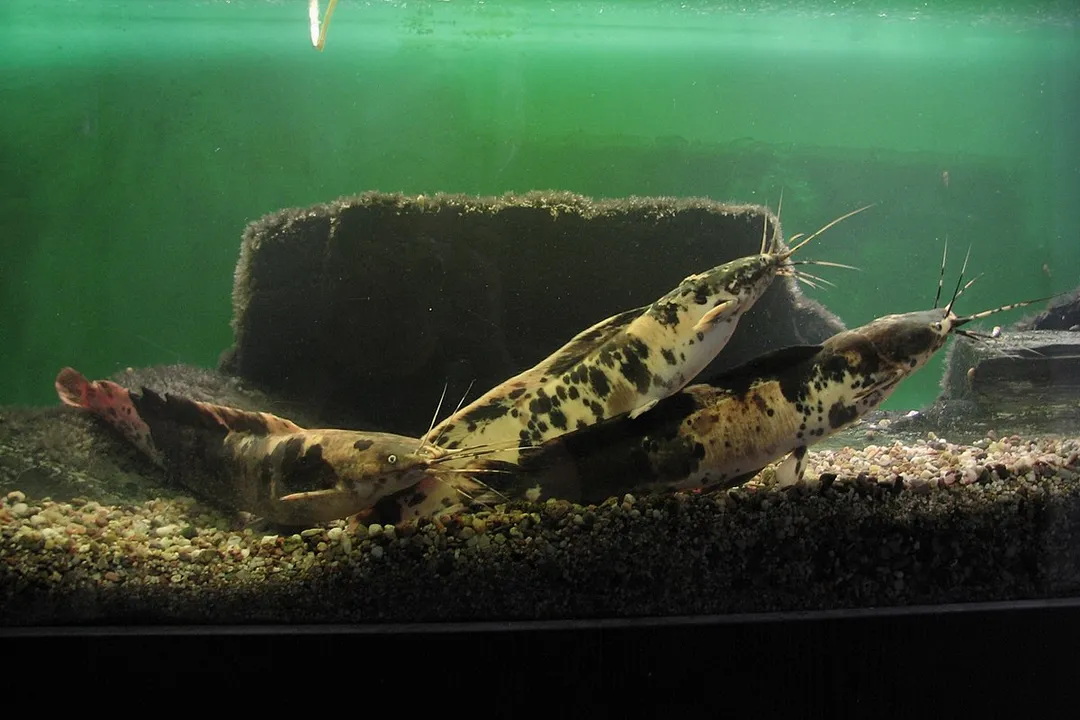
The opportunistic nature of *Clarias batrachus* translates directly into a predatory risk for tank inhabitants in a captive setting. If a keeper houses the catfish with fish that are smaller or less robust, the catfish's tendency to consume any available animal matter means those tankmates are likely to be consumed. Because they are not selective eaters and possess a somewhat voracious appetite, keepers must be vigilant about compatibility, ensuring that tank mates are either large enough to avoid predation or that the catfish is housed separately to prevent the tank mates from becoming an involuntary part of its diet.
Related Questions
What is the fundamental dietary classification of Clarias batrachus?Where does a significant portion of wild Clarias batrachus energy intake originate?Which food type is considered an excellent staple for captive Clarias batrachus?In which non-native environment has the dietary versatility of the walking catfish caused significant ecological repercussions?How does the food acquisition style of Clarias batrachus differ from many Corydoras species?What is the primary function of the labyrinthine accessory breathing organ in Clarias batrachus?When does the walking catfish typically exhibit peak interest in food due to its feeding pattern?What benefit does the digestive plasticity of Clarias batrachus provide during periods of food scarcity?What risk is posed to smaller tankmates by the opportunistic nature of Clarias batrachus in captivity?Which geographical region is identified as the native habitat for the walking catfish?What do sinking pellets cater to regarding the bottom-feeding nature of Clarias batrachus?