Walking Catfish Evolution
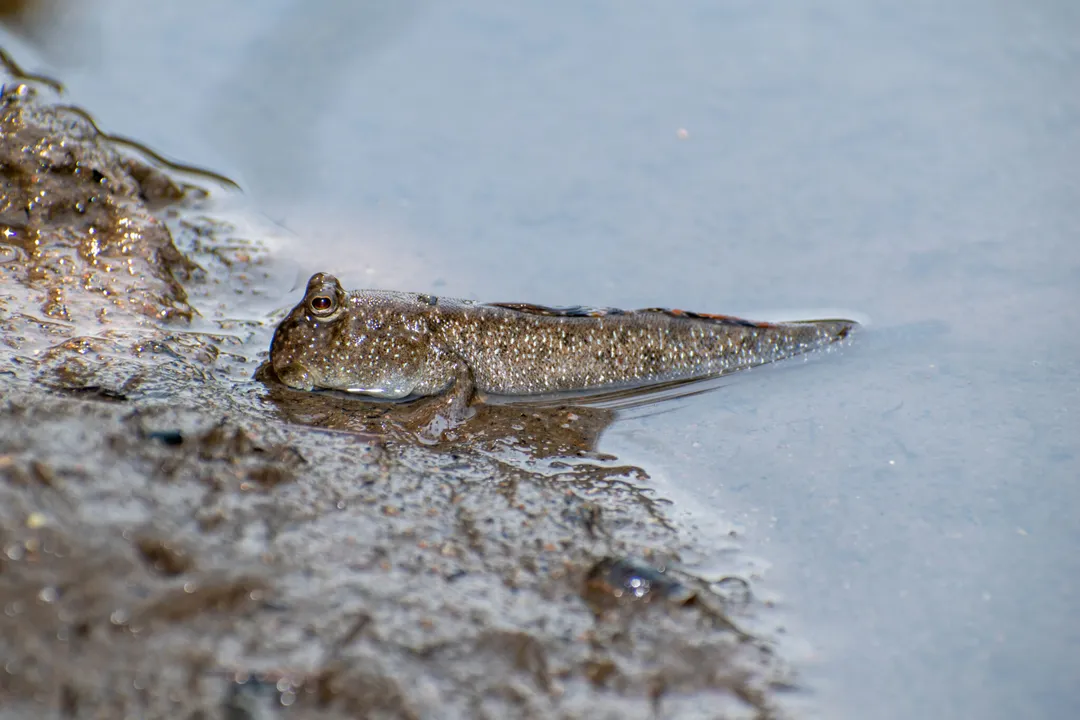
The ability of a fish to move across dry land is a striking phenomenon, often making one pause to reconsider the boundaries between aquatic and terrestrial life. The walking catfish, specifically Clarias batrachus, exemplifies this evolutionary flexibility, possessing adaptations that allow it to traverse surprising distances above the water line. [2][8] This capability is not merely a novelty; it represents an ancient, successful adaptation within the bony fish lineage, offering insights into the pressures that drove early aquatic vertebrates toward land habitation. [1][6] The walking catfish is renowned for its terrestrial travels, but understanding why and how it accomplishes this sheds light on a wide spectrum of biological engineering present in fish today. [2]
# Air Breathing
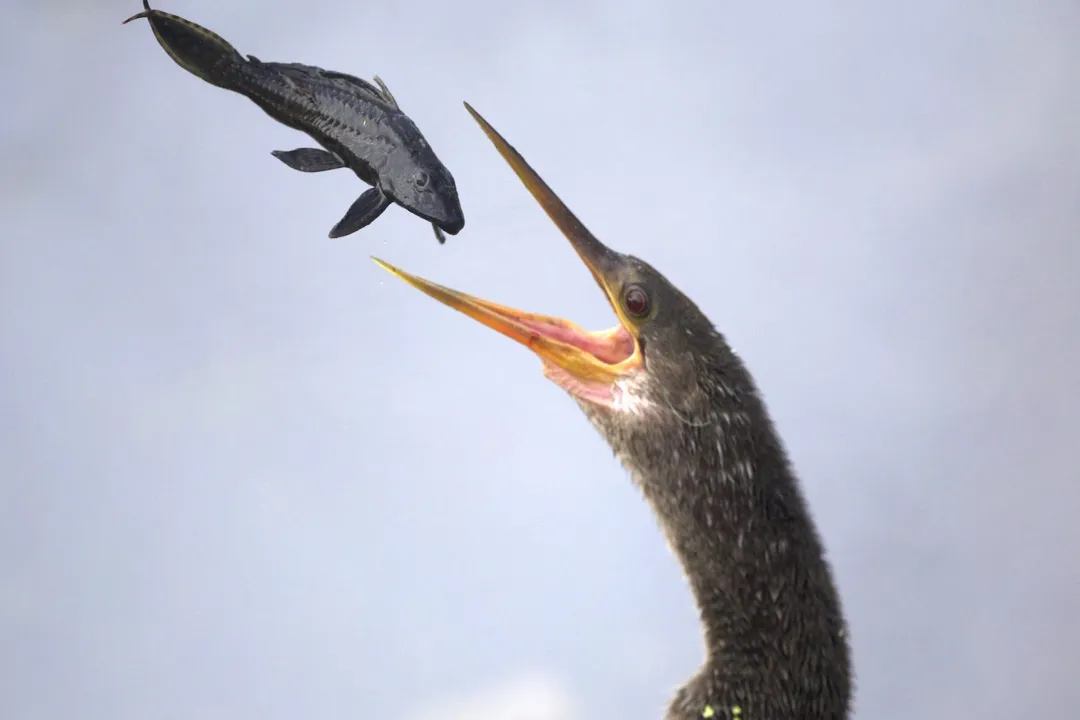
The fundamental requirement for sustained terrestrial movement in a fish is the capacity to draw oxygen from the air, bypassing dissolved oxygen in water. The walking catfish meets this challenge through specialized respiratory structures. [2][3] It possesses a pair of suprabranchial organs, located above the gills in the head region. [3] These organs act as accessory breathing apparatuses, enabling the fish to breathe atmospheric air directly. [2]
This air-breathing ability allows the walking catfish to survive for extended periods when its primary aquatic habitat becomes inhospitable, such as during droughts or when water quality deteriorates significantly. [3] While many fish can gulp air momentarily, the development of such dedicated organs signifies a deeper, more habitual reliance on aerial respiration when necessary. [1][6] The effectiveness of these organs is key to its overland success; without them, any movement on land would be limited to short, desperate gasps. [2][3]
# Terrestrial Locomotion
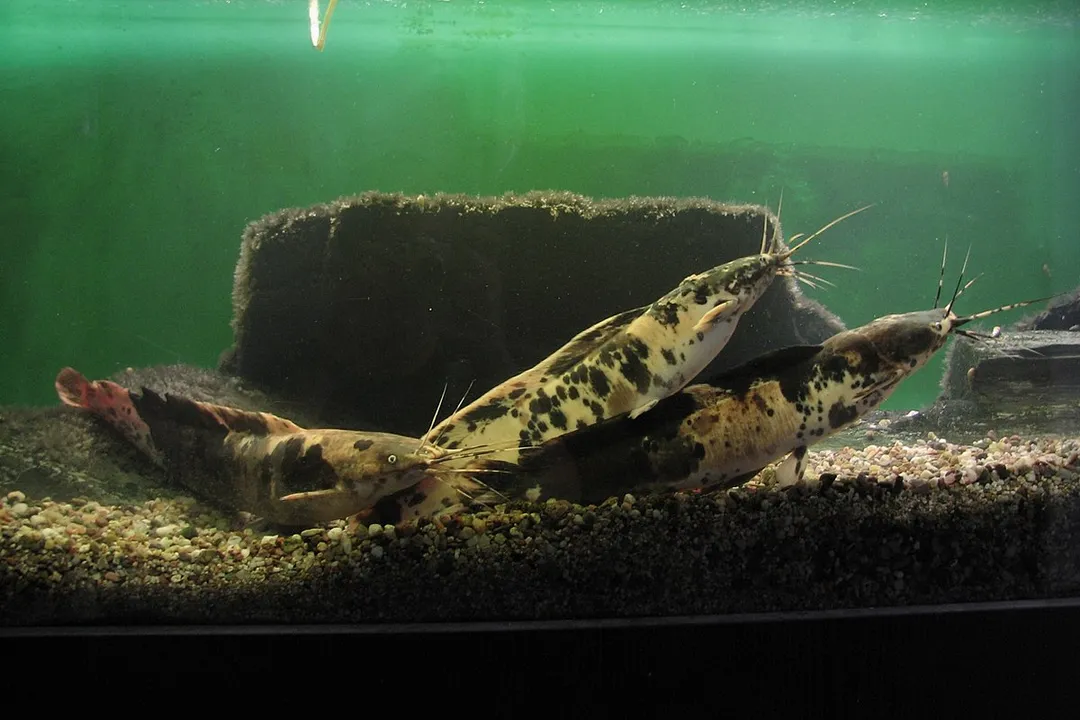
Movement on land for the walking catfish is an active, purposeful process, far more sophisticated than simply flopping or sliding. It generally employs its strong, ray-finned pectoral fins to propel itself forward. [2][8] The fish arches its body and uses a series of muscular undulations, much like a snake or eel, to aid the forward thrust generated by these fins. [2]
Different fish display varied strategies for land movement, which provides an interesting comparative view of evolutionary innovation. For instance, the desert armored catfish, a different species entirely, has been observed moving across land using a more primitive, serpentine or looping motion. [4] In contrast, the Clarias batrachus appears to utilize a more organized, fin-driven gait when circumstances allow it to leverage its pectoral structure. [2][8] One observation of a similar catfish species noted a "reffling" motion, suggesting variations in how pectoral fins are deployed for terrestrial propulsion. [8] If we map these methods onto an evolutionary timeline, the walking catfish’s fin-based movement, while still crude compared to limbs, represents a step utilizing existing paired appendages for directional thrust, a potential rehearsal for the jointed limbs that would eventually define tetrapods. [6] The pectoral fins, which started as stabilizers and aids for maneuvering in water, become makeshift legs on the substrate. [1][2]
A practical consideration for observers or those near natural habitats is the environmental threshold that triggers this behavior. When water temperatures rise excessively or oxygen levels drop due to overcrowding or stagnation, the catfish will initiate its overland migration, often seeking wetter ground or a new body of water. [3] This behavior underscores that the walking is driven by immediate survival necessity, not mere curiosity. [5]

# Evolutionary Echoes
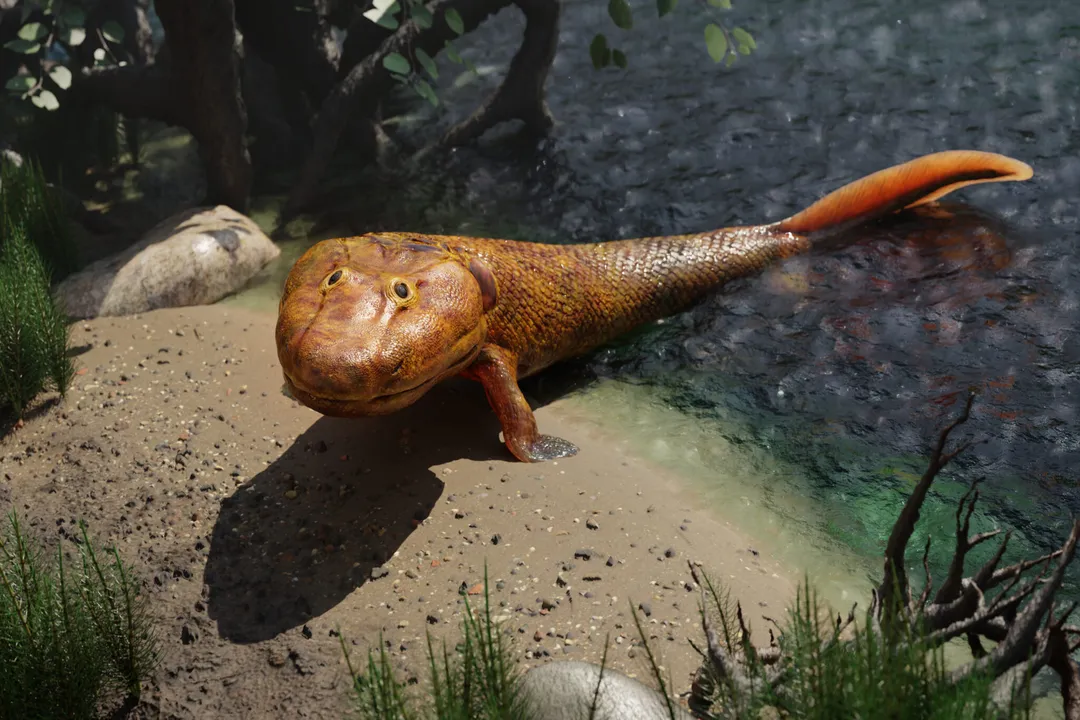
The phenomenon of fish evolving to move on land is not unique to modern catfish; it forms a deep thread in vertebrate history. [6] Scientists studying how fish evolved to walk often point to ancient relatives of modern fish whose traits foreshadowed the transition to land-dwelling creatures, eventually leading to amphibians and, ultimately, humans. [1][6] The walking catfish is thus a living model, albeit a distant one, of the selective pressures that encouraged water-bound organisms to exploit terrestrial resources. [6]
Comparing the walking catfish to other air-breathing, migrating fish species highlights convergent evolution. While the Clarias uses its suprabranchial organ and pectoral fins, other fish might rely on modified swim bladders or different body mechanics for movement, yet all are solving the same environmental problem: the water is gone or unlivable. [1] The existence of multiple, functionally similar solutions across different fish groups demonstrates how powerful the selective pressure of habitat desiccation can be. [4]
Considering the biomechanics, the muscular control required for the walking catfish to support its weight and coordinate fin movement on substrate is significant. This specialized use of fins is functionally analogous, though structurally simple, to the limb use seen in early tetrapods evolving from lobe-finned fishes. [6] While the Clarias doesn't possess the complex joint structures, the neurological programming to coordinate segmented body movement with paired appendage action is a relevant developmental theme shared across this vast evolutionary divide. [1][6] This highlights an important biological realization: the 'blueprint' for terrestrial locomotion was laid down in the aquatic realm long before the first amphibian hauled itself onto the muddy bank. [1]
# Invasive Context
While fascinating from an evolutionary standpoint, the walking catfish's adaptive success translates into significant ecological challenges when it is introduced outside its native Asian range. [5] In places like Florida, the walking catfish is established as an invasive species. [5][9] Their ability to breathe air and move overland makes them incredibly difficult to eradicate once established. [9]
The mechanism of spread is often passive, involving human introduction, either accidentally through the aquarium trade or deliberately for sport fishing. [5] Once released, their resilience allows them to colonize new water bodies that might remain isolated from one another on the surface, but which the catfish can bridge during their terrestrial forays. [9] Furthermore, their high tolerance for poor water quality means they can thrive in systems where native fish populations struggle, giving them a distinct competitive advantage. [3][5] A comprehensive ecological risk screening summary for the walking catfish specifically flags its potential for widespread dispersal due to its terrestrial mobility and high survival rate out of water. [9]
If an ecosystem manager is assessing water bodies in areas where the walking catfish is present, understanding the timeline of its emergence is crucial. While the exact date of its first introduction to Florida might vary in local records, the key takeaway is that its invasion accelerated once it became established and could utilize its unique mobility for propagation between interconnected but surface-separated aquatic systems. [5][9] The very traits that make it an evolutionary marvel—air breathing and overland travel—are what make it a persistent management headache. [3][9] For any hobbyist managing a water feature or pond in a suitable climate, understanding that even a temporary connection to a natural waterway could introduce this species emphasizes the absolute necessity of never releasing unwanted pets into the wild. [5]
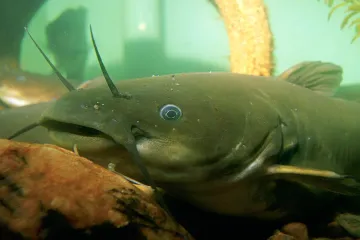
# Physiological Endurance
The remarkable stamina of the walking catfish on land relies on more than just the suprabranchial organ; it requires physical tenacity across different substrates. Observations suggest that in addition to the pectoral fin propulsion, the fish exhibits considerable flexibility in its overall body use to maintain momentum across uneven ground or thick mud. [2][8] The skin and mucus layer must also manage desiccation to some extent, though their movements are invariably directed toward finding water, meaning they are temporary visitors to the terrestrial environment, not permanent residents. [3]
One interesting comparison arises when considering the physiological cost. Moving through water is generally much less energetically expensive than moving across a solid surface against gravity. Therefore, the catfish only commits to this walking behavior when the benefit of escaping a lethal aquatic environment outweighs the high energy expenditure of land travel. [1] This balancing act is a core principle of behavioral ecology: an extreme adaptation is only deployed when necessary for survival. [3]
Ultimately, the walking catfish serves as a compelling, contemporary illustration of biological adaptation under environmental duress. [6] It showcases an ancient evolutionary pathway—the development of aerial respiration and terrestrial locomotion—still actively utilized by modern species. [1][4] Its continued success, whether in its native Asian habitat or as a problematic invader elsewhere, rests entirely on the specialized morphology it retained or evolved over millions of years, reminding us that evolution is an ongoing process shaping survival strategies across the wet-dry boundary. : [1][6][9][1] RealClearScience: [2] A-Z Animals: [3] Wikipedia: [4] Reddit: [5] ICR: [6] University of Reading: [7] PubMed: [8] Nature Conservancy: [9] U.S. Fish and Wildlife Service
Related Questions
#Citations
How Fish Evolved to Walk - RealClearScience
Walking Catfish Fish Facts - Clarias batrachus - A-Z Animals
Walking catfish - Wikipedia
Today I learned about the desert armored catfish, yet another fish ...
Did Fish Learn to Walk? | The Institute for Creation Research
Genome sequence of walking catfish (Clarias batrachus ... - PubMed
How fish evolved to walk – and in one case, turned into humans
This Catfish Doesn't Just Move on Land, It Reffles
[PDF] Walking Catfish (Clarias batrachus) - U.S. Fish and Wildlife Service