In which non-native environment has the dietary versatility of the walking catfish caused significant ecological repercussions?
Answer
Florida
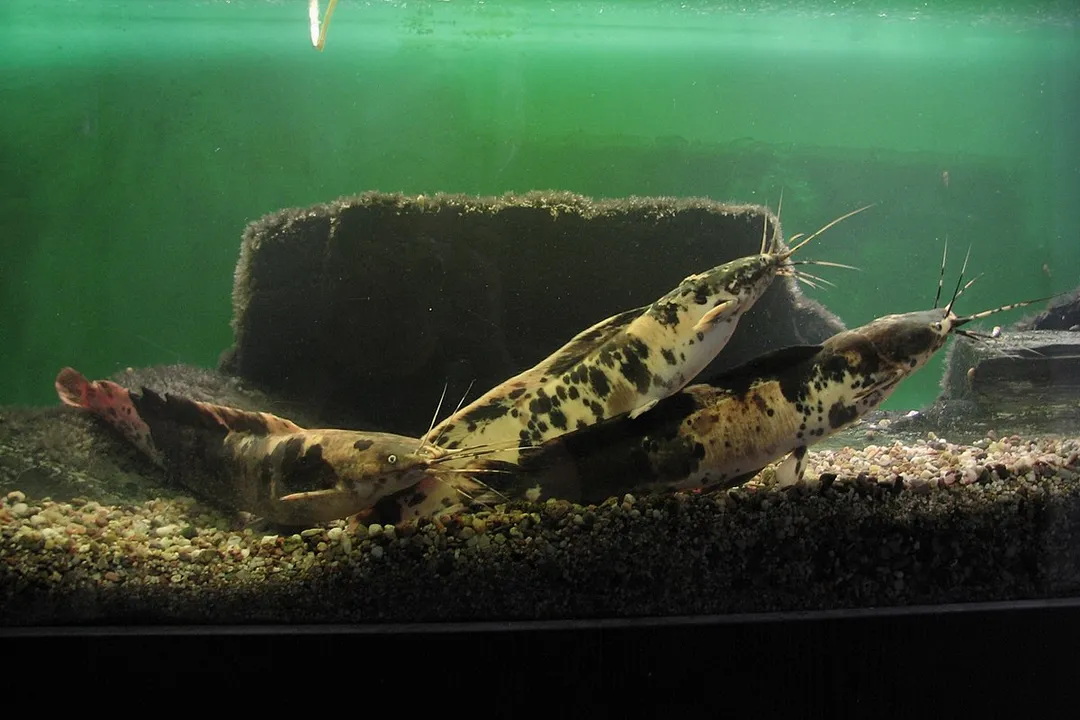
The introduction of the walking catfish to non-native environments, specifically citing Florida, has resulted in significant ecological repercussions directly linked to its dietary versatility. This broad appetite allows it to consume a wide array of local aquatic and terrestrial invertebrates, putting intense pressure on the base of the food web. Because they are so adaptable and can exploit almost any available organic matter, they often outcompete native species for essential resources, leading to negative impacts on local fish populations, especially smaller, slower species or their eggs and larvae.
Related Questions
What is the fundamental dietary classification of Clarias batrachus?Where does a significant portion of wild Clarias batrachus energy intake originate?Which food type is considered an excellent staple for captive Clarias batrachus?In which non-native environment has the dietary versatility of the walking catfish caused significant ecological repercussions?How does the food acquisition style of Clarias batrachus differ from many Corydoras species?What is the primary function of the labyrinthine accessory breathing organ in Clarias batrachus?When does the walking catfish typically exhibit peak interest in food due to its feeding pattern?What benefit does the digestive plasticity of Clarias batrachus provide during periods of food scarcity?What risk is posed to smaller tankmates by the opportunistic nature of Clarias batrachus in captivity?Which geographical region is identified as the native habitat for the walking catfish?What do sinking pellets cater to regarding the bottom-feeding nature of Clarias batrachus?