Walking Catfish Diet
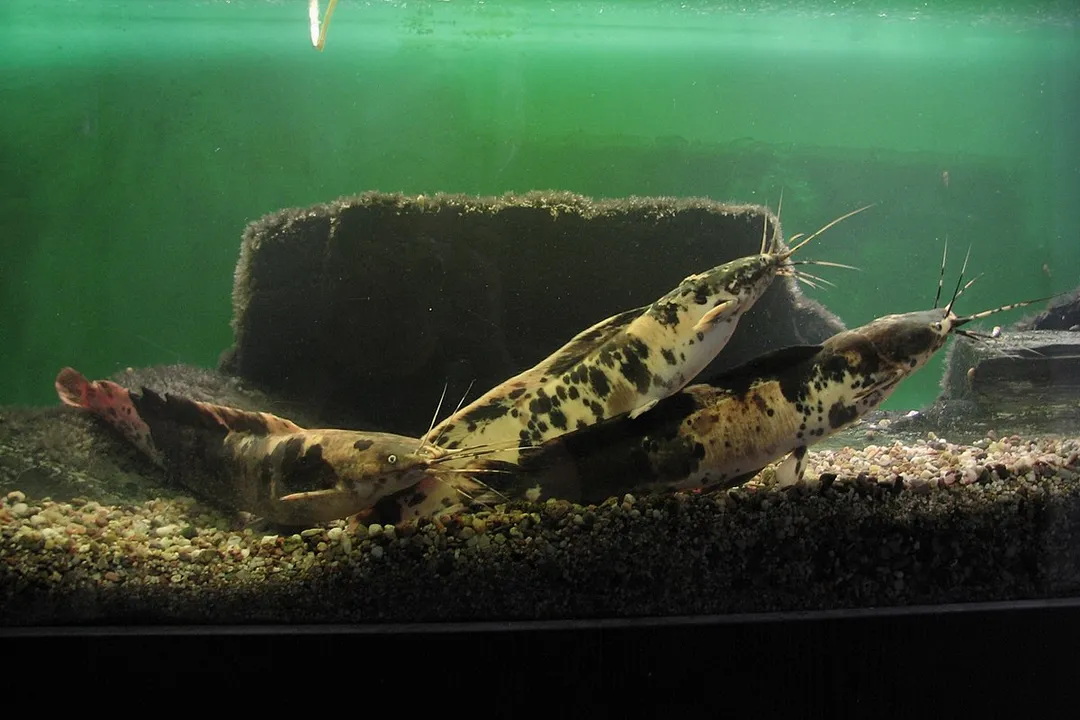
The diet of the walking catfish, scientifically known as Clarias batrachus in many contexts, is characterized by a remarkable flexibility that allows this species to thrive in diverse and often challenging aquatic environments across its native range and areas where it has been introduced. [3][7] These fish are fundamentally opportunistic omnivores. [6][7] This broad dietary preference is a significant factor in understanding their success, particularly when they establish populations outside their native Southeast Asian habitat. [3][5]
# Broad Appetite
The sheer variety of items consumed by the walking catfish is impressive, reflecting a creature that readily takes advantage of whatever food source is available. [6] Their primary classification as an omnivore means they consume both plant matter and animal prey. [7] In their natural settings, which often include slow-moving waters, stagnant ponds, swamps, and even rice paddies, their feeding habits adapt to seasonal fluctuations and local availability. [3][6]
When examining their carnivorous tendencies, the list of prey items is extensive. They are known to consume smaller fish, insects and their larvae, crustaceans, frogs, and even dead organic material. [6] The ability to digest a wide spectrum of food types is key to their survival, especially in habitats where the quality or consistency of food can change drastically. [7]
On the plant side of their consumption, they ingest algae and other aquatic vegetation. [6] This dual capacity to process both animal protein and plant material distinguishes them from strictly carnivorous or herbivorous species, lending them a highly adaptable feeding niche. [7] A review of feeding habits for Clarias batrachus highlights that while they consume both categories, the emphasis in their diet often leans toward invertebrates found in the substrate or water column. [6]
For those keeping these fascinating, if sometimes problematic, fish in an aquarium setting, this adaptability translates into relatively simple feeding requirements, though specific nutritional balance is always necessary for optimal health. [1] They are not selective eaters, which is good news for an aquarist needing to provide sustenance, but it also means keepers must be conscious of not overfeeding or providing nutritionally incomplete meals. [2]
# Natural Intake
In their native Southeast Asia, the diet of the walking catfish is intrinsically linked to the local ecology. [3] They are bottom dwellers, often using their barbels to sense food in murky water or substrate, which informs their foraging strategies. [7] This habit means they frequently ingest food items that other, more visually oriented fish might miss. [7]
Studies on wild populations confirm that while they consume vegetation, a significant portion of their energy intake comes from consuming benthic (bottom-dwelling) invertebrates. [6] This includes worms, snails, and insect larvae buried in the mud or hidden among detritus. [6] The walking catfish is equipped to process mud and sediment, allowing them to extract edible matter that passes through their digestive system. [7]
It is important to distinguish between what is available and what is preferred. While their gut can process plant matter, invertebrate consumption often provides the necessary protein and energy for growth and reproduction. [6] For instance, in environments like rice paddies, they would naturally prey upon small amphibians or fish that enter the watery habitat, alongside the abundance of insect life associated with agricultural areas. [5]
When considering the concept of feeding fish "green," which advocates for incorporating plant matter into the diet of all catfishes, the walking catfish technically fits the bill by naturally consuming algae. [4] However, their feeding strategy generally relies more heavily on animal protein than a strictly herbivorous fish might. [6] This ecological observation underscores a good practice for aquarium care: while greens are welcome, the primary nutritional makeup should cater to their predatory/omnivorous leanings. [2]
# Aquarium Feeding
When housed in captivity, the walking catfish readily accepts a wide array of commercially prepared foods, making them relatively easy to keep fed. [1] The standard fare often includes sinking pellets, which are ideal because they cater to the fish's bottom-feeding nature. [2] Since these fish are capable of "walking" on land for short distances, sometimes keepers might observe them near the lid if they associate feeding time with being out of the water, though their primary feeding occurs submerged. [3]
Acceptable foods in an aquarium setting often mirror their natural animal protein sources:
- Commercial Pellets: Sinking pellets formulated for bottom feeders or catfish are excellent staples. [1]
- Frozen/Freeze-Dried Foods: Bloodworms, brine shrimp, and other common frozen invertebrates are readily taken. [1]
- Live Foods: Small live or frozen minnows, earthworms, and crickets can be offered occasionally as enrichment or high-protein boosts. [1][2]
However, keepers must exercise caution. While they can eat many things, including small feeder fish, overfeeding or providing only high-fat, low-nutrient items can lead to health issues. [1] Furthermore, if the tank contains smaller, less robust fish, the walking catfish's opportunistic nature means those tankmates will quickly become part of the diet. [2] It is an actionable tip for new owners to feed them only what they can consume entirely within a few minutes, typically once per day, given their opportunistic and sometimes voracious nature. [1]
Here is a general breakdown of suitable food types for captive Clarias batrachus:
| Food Category | Examples | Suitability Note |
|---|---|---|
| Staple | Sinking Catfish Pellets | Must be nutritionally balanced [1][2] |
| Protein Boost | Frozen Bloodworms, Brine Shrimp | Excellent occasional supplement [1] |
| Enrichment/Treat | Small Earthworms, Crickets | Offer variety, monitor water quality [2] |
| Vegetable | Blanched Zucchini/Peas | Acceptable, but not primary nutrient source [4] |
# Feeding Behavior
The walking catfish is noted for being active, especially during low-light periods, which influences when they are most likely to feed. [7] As a nocturnal or crepuscular feeder, they may show peak interest in food late in the day or during the night. [3] Their feeding style is direct and often vigorous; they are not shy about approaching food sources. [2]
A fascinating aspect of their feeding relates to their accessory breathing organ—the labyrinthine structure that allows them to breathe atmospheric air. [3] While this organ is primarily for respiration when water quality is poor or water levels drop, it is not directly involved in the act of eating, which happens through the mouth. [7] However, the need to breathe air in low-oxygen environments sometimes correlates with a need to move or forage near the surface, which can influence feeding patterns when water conditions are poor. [3][5]
In terms of comparison to other common bottom feeders, like many Corydoras species, the walking catfish is generally much more aggressive in food acquisition. While Corydoras sift delicately, Clarias will actively vacuum detritus and consume larger, more substantial prey items with less hesitation. [6] This difference in temperament requires separate housing or very robust tank mates if kept communally. [2]
# Invasive Impact
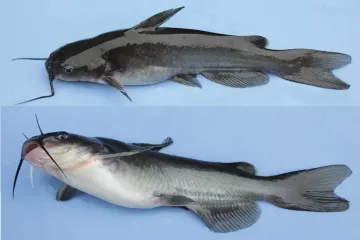
The dietary versatility of the walking catfish has significant ecological repercussions when the species is introduced to non-native environments, such as Florida. [5] In these new habitats, they often become an invasive species precisely because their diet is so broad. [8]
When established, their consumption habits can negatively impact native fish populations, especially slower-moving, smaller species or fish eggs and larvae. [5][8] Their ability to consume a high volume of both terrestrial and aquatic invertebrates puts pressure on the base of the local food web. [6] The ecological damage isn't just about what they eat; it's about the rate at which they consume resources that native species depend on, often outcompeting them for essential food items. [8]
One critical insight derived from tracking invasive species like this involves population control dynamics. Because they are so adaptable and have few natural predators in new regions, controlling their numbers is difficult. Their diet essentially ensures that if there is any available organic matter, the population can sustain itself and potentially grow, making manual removal or biological controls challenging to implement effectively. [5][8]
An area for further consideration for environmental managers involves looking at seasonal diet shifts in invasive zones. If a population over-consumes a specific high-protein invertebrate during a wet season, the subsequent decline in that invertebrate can force the catfish onto a less energetically favorable diet (more plants or detritus), which may temporarily slow population growth but will not eradicate the species due to their inherent dietary flexibility. [6] This constant shifting means management strategies must account for the full spectrum of their known diet, not just the most commonly observed food items. [8]
# Digesting Variability
Understanding what the walking catfish consumes requires acknowledging the sheer variability of their digestive capabilities. [7] Their alimentary canal is adapted to handle a diverse intake, which is supported by the fact that their diet shifts based on the season and location. [6] This digestive plasticity is one of the biological secrets to their widespread success, allowing them to survive periods of food scarcity by switching to lower-quality sustenance when preferred prey is absent. [3]
For example, in drier periods or when water levels drop, they might rely more heavily on terrestrial insects that fall into the water or the tougher aquatic vegetation that remains available, compared to the lush invertebrate diversity of the rainy season. [6] This adaptability contrasts sharply with many specialized native fish that face local extinction threats when their single or primary food source declines. [5] The walking catfish simply finds an alternative, even if it is lower in immediate nutritional value, allowing survival until better food returns. [7]
In summary, the walking catfish diet is defined by opportunism and adaptability. They are engineered by evolution to be generalists, consuming nearly any animal matter they can overpower or find as carrion, supplemented by available plant material. [6][7] This characteristic is what makes them both an interesting subject for aquarists needing an undemanding eater and a serious threat to the ecological balance of any environment they colonize. [5][8]
Related Questions
#Citations
What can a Walking catfish have as food?? | MonsterFishKeepers.com
Walking Catfish - Seahorse Aquariums
Walking catfish - Wikipedia
Effective Catfish Food | Tropical Fish Hobbyist Magazine
Walking Catfish – Discover Fishes - Florida Museum of Natural History
Food & Feeding Habits of Walking Catfish & Commercial Fish: Review
Clarias batrachus - Animal Diversity Web
walking catfish (Clarias batrachus (Linnaeus, 1758)) - EDDMapS
Walking Catfish | Life in Water Wiki