What exactly is an armored catfish?

The armored catfish refers not to a single species, but to a vast and diverse family of freshwater fish known scientifically as Loricariidae. [1] These fish are instantly recognizable due to their unique external covering. Unlike many other catfish that possess smooth skin or perhaps small embedded scales, Loricariids are protected by rows of bony plates, called scutes, that cover their bodies much like the armor plating on a medieval knight. [1][7] This family originated in the tropical waters of South America and parts of Central America. [1]
# Bony Shield
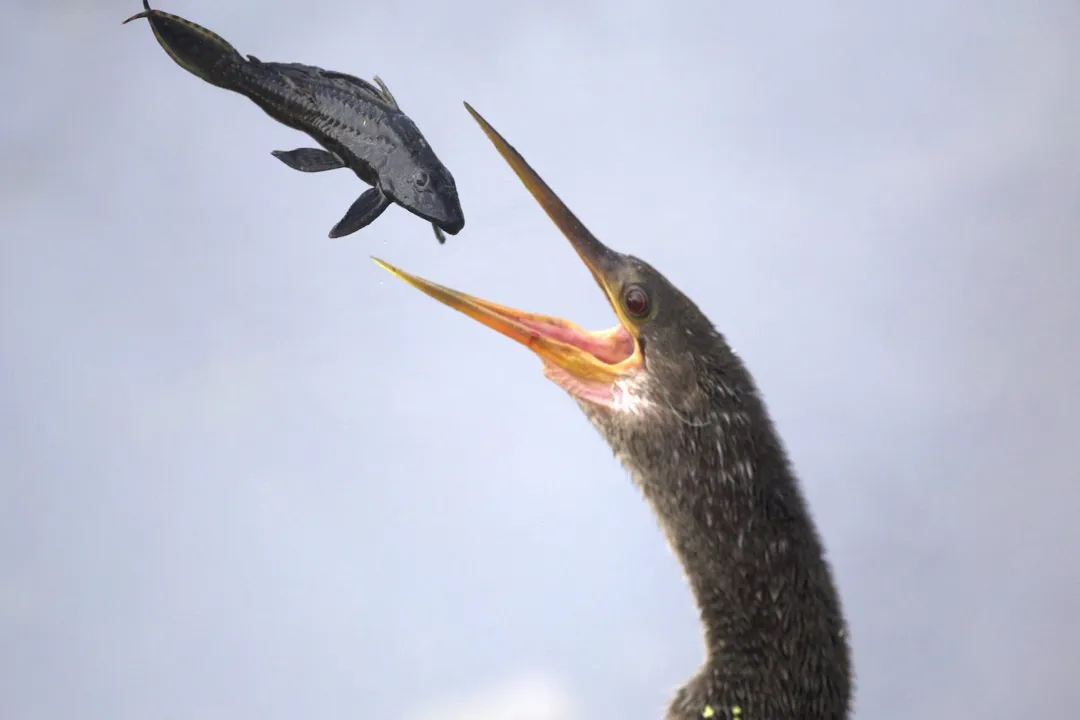
The defining characteristic is this dermal bone structure. These plates are arranged in overlapping rows along the fish's flanks, offering significant physical defense against predators. [1] Because of this protective coating, they are often referred to as suckermouth armored catfish. [7] While the size of these fish varies dramatically across the many species—ranging from tiny ornamental varieties to much larger specimens—the armored body plan remains consistent across the family. [1]
# Suction Feeding
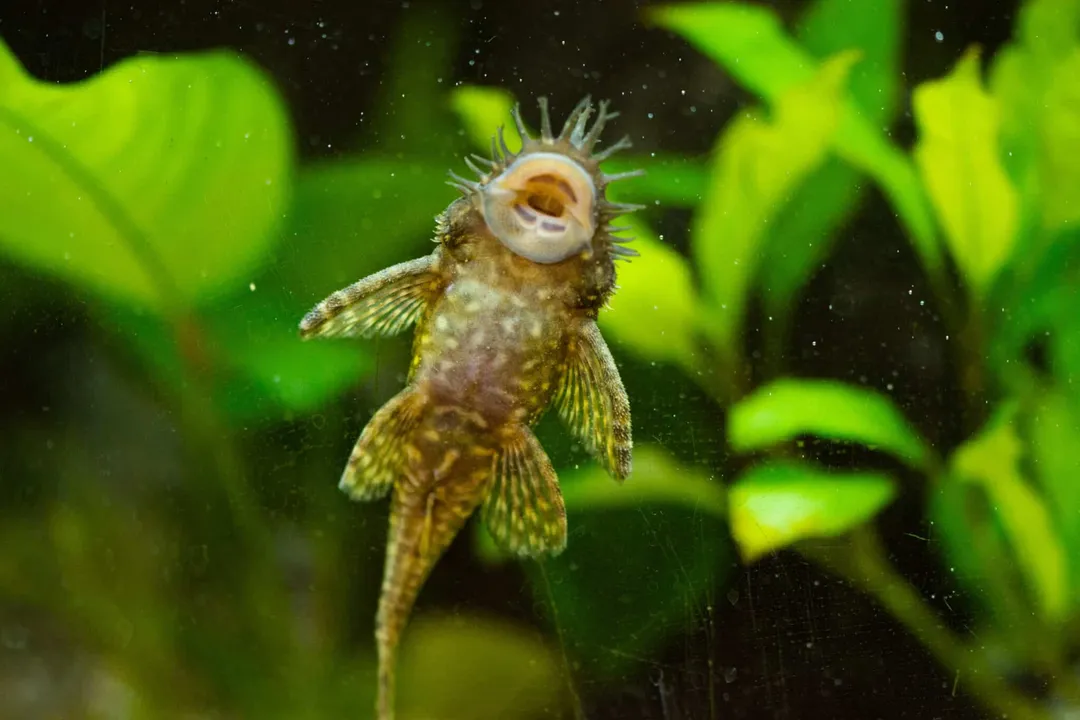
Another feature that sets these fish apart, and often leads to their common nicknames, is their specialized mouth structure. [7] Armored catfish possess a distinct, inferior mouth that is modified into a powerful suction cup. [2][7] This adaptation allows them to cling securely to rocks, driftwood, and aquarium glass, even in fast-moving currents. [2] Furthermore, this suction mouth is integral to their feeding strategy. Most species are either herbivores or omnivores, using their mouths to scrape algae and biofilm off submerged surfaces. [1][2] In the aquarium trade, this habit makes them popular choices for keeping tank surfaces clean. [3]
It is fascinating to observe how this physical adaptation dictates their lifestyle; they are designed to utilize benthic (bottom-dwelling) resources effectively, positioning themselves against the flow to feed without expending excessive energy maintaining position. [2]
# Classification Context
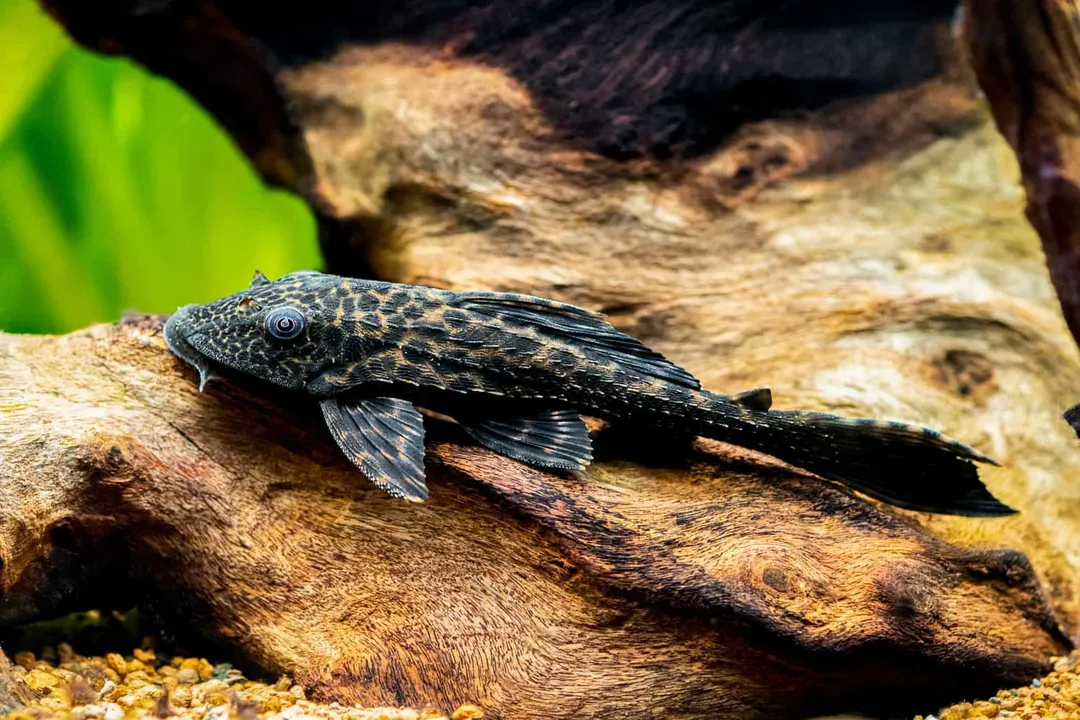
Loricariidae belongs to the order Siluriformes, the true catfish. [1] While many people associate catfish with bottom-dwelling scavengers, the Loricariids represent a specialized evolutionary branch within that group. [1] Their heavy armor distinguishes them from the scaleless members of the catfish order. Within the family itself, there is considerable variation in fin structure, color patterns, and preferred habitat, but the family is united by the arrangement of those bony plates. [1]
# Ecological Threats
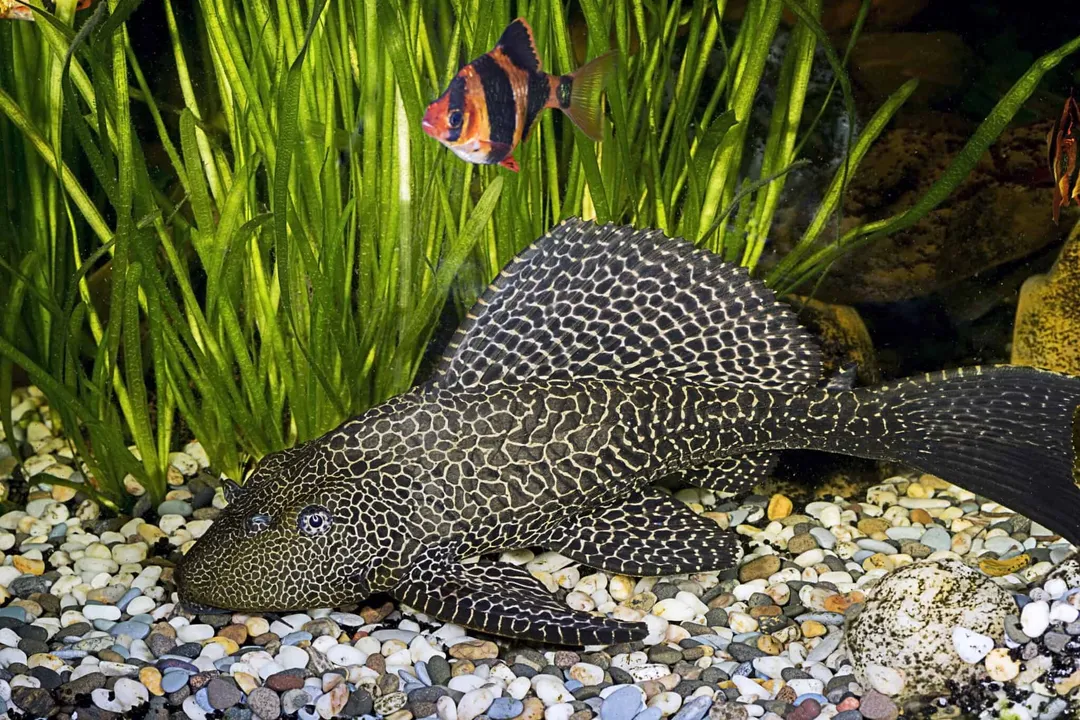
When certain species of armored catfish, such as Hypostomus plecostomus or species within the genus Pterygoplichthys, are introduced into non-native environments, they often become highly problematic invasive species. [2] The primary pathway for introduction is the release of unwanted aquarium pets into local waterways. [3][9] This practice is particularly dangerous because these fish are incredibly hardy. [2]
One aspect that exacerbates their invasive potential is their ability to breathe atmospheric air when oxygen levels in the water drop, an adaptation achieved through a modified swim bladder that acts like a simple lung. [2] This resilience allows them to survive periods of stress that might eliminate native species, giving them a competitive edge in degraded or fluctuating habitats. [2]
In natural ecosystems where they become established, their feeding habits shift from simple algae control to serious ecosystem disruption. They graze heavily on the periphyton layer, which is the base of the food web for many invertebrates and small native fish. [2] This massive removal of primary food sources starves out native grazers. [2] An additional, less obvious impact comes from their need to dig or create territories, particularly during spawning. Reports indicate that they can undermine stream banks, leading to significant erosion problems. [3] Seeing a healthy, self-sustaining population of armored catfish in a local river is usually a strong indicator that native food chains and habitat stability are already under severe strain. [2][3]
It is a stark irony that a creature valued in a 20-gallon home aquarium for its "cleaning" capabilities can transform into a destructive force when introduced into a larger, complex environment where native fish evolved without the pressure of such an efficient, armored grazer. [2] This highlights a key failure in pet stewardship: the perceived harmlessness of an organism in one context does not translate to ecological neutrality in another.
# Specialized Movement
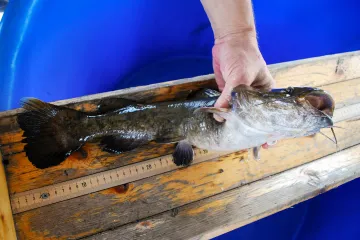
Beyond their aquatic adaptations, some armored catfish display remarkable terrestrial capabilities under certain conditions. [4] Certain species have been documented moving across land, especially during periods of drought or when moving between bodies of water. [4] This movement is not merely a clumsy flop; they can actually propel themselves by using their pectoral fins in a rhythmic, alternating fashion, sometimes resembling a low-crawling motion. [4]
Furthermore, their reproductive behaviors involve direct interaction with the substrate. Males, in particular, have been observed creating depressions or shallow hollows in the river or lake bottom, often referred to as "riffles," where they will guard the eggs. [4] This behavior directly contributes to the localized disturbance of the sediment. If a high density of these fish is present, this continuous digging and spawning activity creates a widespread, man-made roughness on the bottom profile of the water body, altering water flow patterns immediately above the substrate. [4]
# Aquarium Release
The popularity of species like the common Pleco has unfortunately cemented their status as a global invasive threat. [3] They are frequently purchased as juveniles, only to grow much larger than their owners anticipate—some species easily exceed a foot in length. [3] When the fish outgrows its tank or its caretaker can no longer manage its feeding needs, the decision is sometimes made to release it into a local pond, canal, or stream. [3]
This act of releasing an unwanted pet is the genesis of the ecological problem. [3] In areas with mild winters, such as parts of Florida or Texas in the United States, these tropical fish can establish breeding populations that persist year-round. [2] When attempting to manage or eradicate an established population, the sheer density of individuals, combined with their ability to hide in crevices and their resistance to certain treatments, makes control extremely difficult for local management agencies. [2][9] Any local monitoring effort should pay close attention to unusual scraping marks or depressions on hard bottom substrates, as this physical evidence might indicate the presence of breeding armored catfish long before visual sightings confirm a widespread problem. [4]
#Videos
Armored Catfish - Florida Invasive Species - YouTube
What are Armored-Catfish? (Callichthyidae) | What is a Fish with Taras
Related Questions
#Citations
Loricariidae - Wikipedia
Armored Catfishes - Texas Invasive Species Institute
Invasive Species Spotlight: Armored Catfish
This Catfish Doesn't Just Move on Land, It Reffles
What type of fish are these armored catfish? - Facebook
Armored Catfish: Loricariidae : r/AIDKE - Reddit
Armored Catfish Fish Facts - A-Z Animals
Armored Catfish - Florida Invasive Species - YouTube
Armored Catfish - Friends of Woodland Park